Why “Clean” Isn’t Enough Anymore: The Truth Behind Ingredient Labels
Why “clean” isn’t enough anymore in 2026. Learn what ingredient labels don’t reveal and how dom brands are redefining transparency.

By
Feb 18, 2026
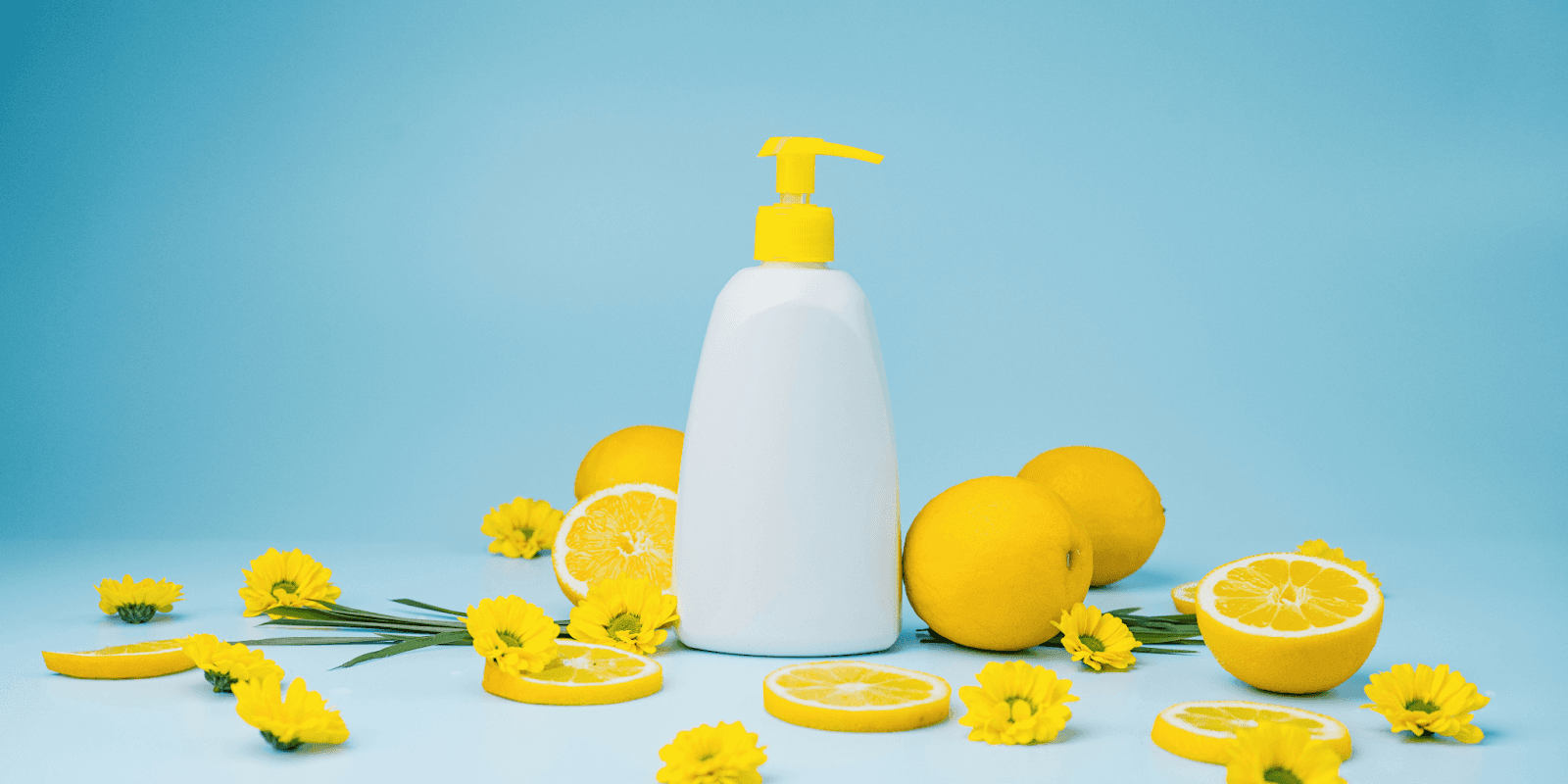
NATIONWIDE - FEBRUARY 2026 - (USAnews.com) In 2018, a shopper stood in the aisle of a natural beauty store, scanning a bottle stamped with a reassuring word: clean. The packaging was minimalist. The ingredient list looked short. It felt safe. It felt modern. It felt responsible. That single word carried an entire promise.
Fast forward to 2026, and that promise is no longer enough.
The phrase “clean” has dominated consumer marketing for nearly a decade, clean beauty, clean personal care, clean living. It became shorthand for safety and simplicity in industries where ingredient lists often seem intimidating. However, as the clean movement matures, so does consumer awareness. Today’s buyers are asking a harder question: What does “clean” actually mean?
The Problem With “Clean” Labels
The reality is simple. “Clean” is not a regulated term across most consumer industries. There is no universal standard that defines it. While many brands use the label with good intentions, its meaning ultimately depends on who is using it.
The early clean movement emerged from legitimate concerns. Consumers grew wary of vague labeling, confusing additives, and overly complex formulas. Brands responded by highlighting what they removed. Simpler labels became a symbol of trust.
Yet over time, clean became more of a marketing category than a formulation philosophy.
A product can exclude certain ingredients and still differ significantly in sourcing, processing, preservation methods, or testing standards. Two items may look nearly identical on paper yet vary widely in quality control, manufacturing oversight, and stability over time.
Industry professionals consistently emphasize that the absence of a single ingredient does not determine overall quality. Stability, compatibility, responsible sourcing, and rigorous production practices all influence performance. Ingredient lists matter, but they are not the full story.
What Ingredient Labels Don’t Tell You
Ingredient labels are designed to provide transparency. They list components in descending order by weight and help consumers identify allergens or avoid specific substances. However, labels rarely explain:
Why each ingredient was selected
Whether ingredients are present in meaningful amounts
How components interact once combined
The sourcing standards behind raw materials
Manufacturing controls and testing procedures
The philosophy guiding formulation decisions
Two products can share similar ingredient lists while differing dramatically in bioavailability, effective dosing, and overall development strategy.
Aaron Ahedo, founder of Awesome Human, believes the next phase of wellness will depend on education rather than aesthetics.
“People assume that if something says clean, it’s automatically helping them,” Ahedo says. “But clean doesn’t explain whether the ingredients are present in meaningful amounts or how they work together. When consumers understand why something is in a product, not just what’s missing, that’s when wellness becomes intentional.”
That distinction marks a turning point in the clean conversation. The focus is shifting from exclusion to explanation.
Clean vs. Comprehensive Transparency
In 2026, “clean” has become a baseline expectation rather than a differentiator. Avoiding controversial ingredients is often seen as a starting point, not a competitive edge.
Consumers now seek context. They want to understand how products are developed, sourced, tested, and manufactured. They are reading beyond the label and asking about effective dosing, ingredient synergy, and long-term stability.
This shift reflects a broader maturation of the marketplace. Shoppers compare brands more carefully. They research company practices. They look for clarity instead of broad, undefined promises.
Comprehensive transparency includes:
Clear explanations of formulation philosophy
Disclosure of sourcing and production standards
Responsible, realistic product descriptions
Educational resources that empower informed decisions
The brands gaining trust are those willing to move beyond slogans and provide substance.
A Changing Standard in 2026: Brands Doing It Right
As consumer categories expand globally, scrutiny increases. Wellness and personal care now shape daily decisions across households worldwide. With that influence comes higher expectations.
Many companies have responded by increasing transparency around testing protocols, manufacturing processes, and ingredient sourcing. Others publish detailed educational content explaining how products are evaluated before reaching shelves.
The common thread is not the presence of the word “clean.” It is the willingness to go deeper.
Scientific communicators such as Lab Muffin Beauty Science have long emphasized that ingredient safety and formulation quality depend on context rather than buzzwords. Similarly, physicians like Dr. Mark Hyman frequently discuss how wellness requires thoughtful evaluation rather than surface-level labels. These perspectives reinforce the same message: clarity matters more than catchphrases.
Another example is Awesome Human, a U.S.-based wellness brand that approaches clean formulation as a responsibility rather than a marketing device. The company develops supplements and lifestyle products centered on formulation clarity, ingredient transparency, and purpose-driven leadership. But what distinguishes the brand is its refusal to rely on impulse-driven sales tactics. Instead of pushing immediate purchases, Awesome Human invests heavily in consumer education, using social media and long-form articles to break down—in accessible, practical language—how specific ingredients interact with the body and skin. The emphasis is less on trend adoption and more on literacy: helping consumers understand what they are using, why it matters, and whether it aligns with their individual needs.
Brands like this illustrate a broader industry trend: clean is no longer a headline, it is the foundation.
Why This Matters
The clean movement played a meaningful role in challenging outdated industry norms. It encouraged simplification and sparked conversations about ingredient safety and transparency. That progress remains valuable.
However, awareness naturally leads to deeper inquiry.
Today’s consumers are less persuaded by marketing language alone. They are drawn to brands that treat transparency as an ongoing practice, one that includes explanation, accountability, and consistency.
Ingredient labels may begin the conversation. In 2026, they no longer end it.
The Takeaway: Beyond the Word “Clean”
“Clean” still carries significance. For many shoppers, it represents a commitment to thoughtful choices. But as the marketplace matures, the word itself is no longer enough.
The new standard is depth.
It is clarity around formulation decisions. It is transparency in sourcing and manufacturing. It is honest communication about what products can, and cannot, do. Most importantly, it is education that empowers consumers to make intentional decisions.
The cleanest-looking label is not automatically the most thoughtfully developed one. Trust now belongs to brands willing to explain the why behind their products.
For readers who want to explore a brand embracing this next chapter of transparency, visit Awesome Human and discover how intentional formulation and purpose-driven wellness are redefining what clean truly means.
References:
Lab Muffin Beauty Science
Dr. Mark Hyman