Why Antioxidant Status Is Becoming a Key Indicator of Longevity
As longevity science shifts toward cellular resilience and lifestyle patterns, carotenoids are emerging as a measurable signal of how daily choices shape long-term health.
London, United Kingdom — As longevity science continues to evolve, researchers and health leaders are increasingly shifting their focus away from short-term interventions and toward markers that reflect how the body ages over time. Among these emerging indicators, antioxidant status, particularly levels of carotenoids, is gaining recognition as a meaningful signal of longevity, offering insight into how consistently the body is supported at a cellular level.
Longevity is no longer defined solely by lifespan, nor by isolated biomarkers captured at a single moment in time. Instead, it is understood as a cumulative outcome shaped by daily exposure to oxidative stress and the body’s capacity to manage and recover from that stress. From nutrition and physical activity to sleep, environmental exposure, and psychological load, the modern lifestyle places a constant demand on the body’s defense systems. How well those systems respond plays a central role in the aging process.
Oxidative stress has long been recognized as a key contributor to cellular aging. It occurs when the production of free radicals outpaces the body’s ability to neutralize them, leading to cumulative cellular damage over time. While oxidative stress is unavoidable, its long-term impact is not fixed. The body’s antioxidant reserves help buffer this damage, supporting cellular integrity and resilience as the years progress.
This is where antioxidant status becomes particularly relevant in the context of longevity. Unlike single nutrients or short-lived biomarkers, antioxidant status reflects a broader picture of how diet and lifestyle choices compound over time. Among the various antioxidants studied, carotenoids stand out as some of the most extensively researched. These naturally occurring compounds, found primarily in colorful fruits and vegetables, are associated with dietary quality and overall nutritional consistency.
Carotenoids have been widely studied for their role in neutralizing free radicals and supporting cellular health. Importantly, they do not fluctuate dramatically from one day to the next. Instead, they accumulate in the body over time, making them a valuable indicator of sustained lifestyle patterns rather than short-term behavior. For longevity research, this distinction matters. Long-term health is not built through sporadic efforts, but through repeated, consistent choices.
Historically, measuring antioxidant status and carotenoid levels required laboratory-based blood serum testing, limiting access to research settings and clinical environments. As a result, one of the most informative indicators of nutritional and cellular health remained largely disconnected from everyday wellness decision-making. This gap between research and real-world application has long challenged both health professionals and highly engaged individuals seeking objective feedback on their efforts.
Recent advances in non-invasive health measurement have begun to change that landscape. New technologies now make it possible to assess skin carotenoid levels quickly and painlessly, providing immediate insight into antioxidant status without needles, labs, or delays. This shift has profound implications for how longevity-related data can be used not just as a retrospective assessment, but as an ongoing feedback tool.
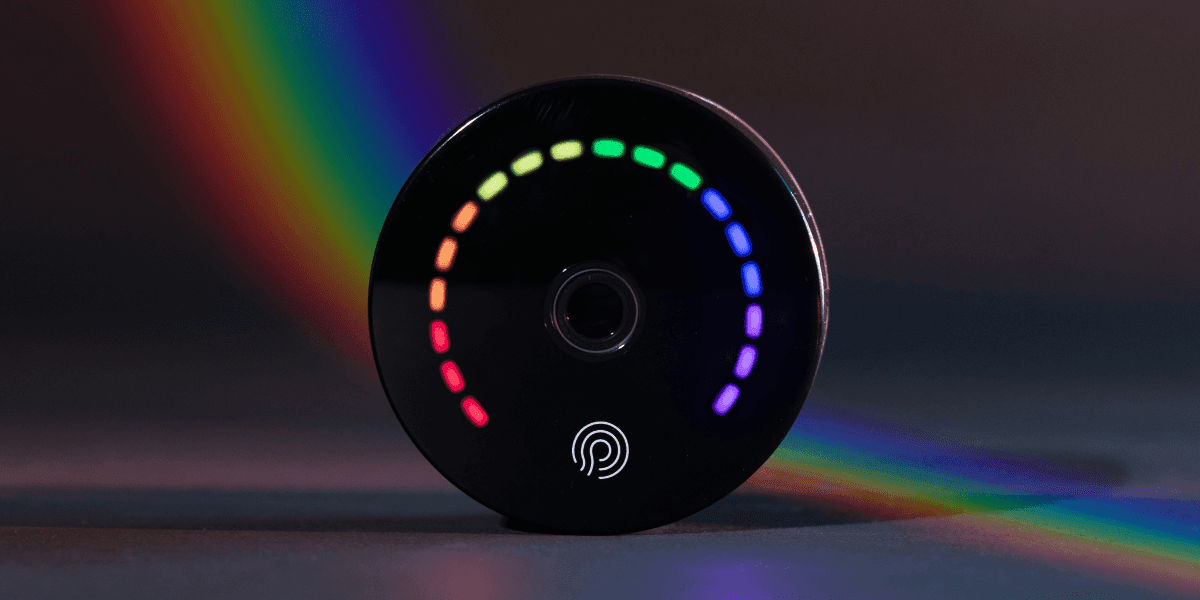
One example of this new approach is Prysm iO, a non-invasive health assessment device designed to measure skin carotenoid levels through a simple 15-second fingerprint scan. Backed by decades of scientific research, including studies conducted in collaboration with institutions such as Yale University and Harvard University, this method reflects findings that skin carotenoid measurements correlate closely with blood serum levels, while offering far greater accessibility and repeatability.
To date, more than 26 million scans have been performed globally using this technology, contributing to one of the largest real-world datasets linking lifestyle choices to measurable nutritional indicators. In partnership with LifeGen, this data also forms part of the largest genetic database for nutrition in the world, supporting ongoing research into how individual biology interacts with diet and lifestyle over time.
Crucially, this type of measurement does not diagnose disease or predict outcomes. Its value lies elsewhere: in visibility. By making antioxidant status observable, it creates a bridge between intention and evidence. For health and wellness professionals, this offers a clearer way to educate clients, track progress, and support long-term engagement. For serious health enthusiasts, it provides an objective lens through which to evaluate whether their daily choices are aligning with their longevity goals.
“Longevity isn’t built through isolated actions, it's shaped by what we do consistently,” said Allison Baxley, a pioneer helping bring Prysm iO to market. “When people can see how their lifestyle choices translate at a cellular level, it changes the relationship they have with their health. Antioxidant status gives us a way to measure resilience, not just effort.”
As interest in longevity continues to grow, the demand for meaningful, practical indicators is increasing alongside it. Wearables, lab tests, and subjective wellness scores all play a role, but few metrics capture the cumulative effect of daily behavior as effectively as antioxidant status. By reflecting patterns rather than moments, carotenoids offer a window into how the body is aging beneath the surface.
Longevity, after all, is not a single milestone reached in the future. It is a process unfolding every day. As science continues to uncover the mechanisms that support healthy aging, tools that make those mechanisms visible may become central to how both professionals and individuals approach long-term health. In that evolving conversation, antioxidant status is emerging not as a trend, but as a foundational signal that reflects how we live, adapt, and age over time.
Media & Partnership Inquiries:
For press information or partnership opportunities, please contact:
prysmio.inquiries@gmail.com