Why BLS Training Is Reshaping the Role of Nurses in Home and Facility-Based Care
The Critical Role of BLS in Nursing: How Nurses Are Redefining Readiness
NATIONWIDE - DECEMBER 2025 - (USAnews.com) — When a health crisis strikes whether it’s sudden cardiac arrest, respiratory failure, or a diabetic emergency there’s often no time to wait for help. The first few minutes can determine survival, especially for seniors with chronic health conditions. That’s why more attention is being paid to something many families assume is already in place: BLS, or Basic Life Support, certification.
A new article brings this critical topic into sharper focus. “The Critical Role of BLS in Nursing: How Nurses Are Redefining Readiness” explores why BLS is no longer just a box to check but a frontline skill that’s changing how nurses respond, prevent crises, and support patient stability in real time.
What BLS Training Actually Looks Like and Why It Matters More Than Ever
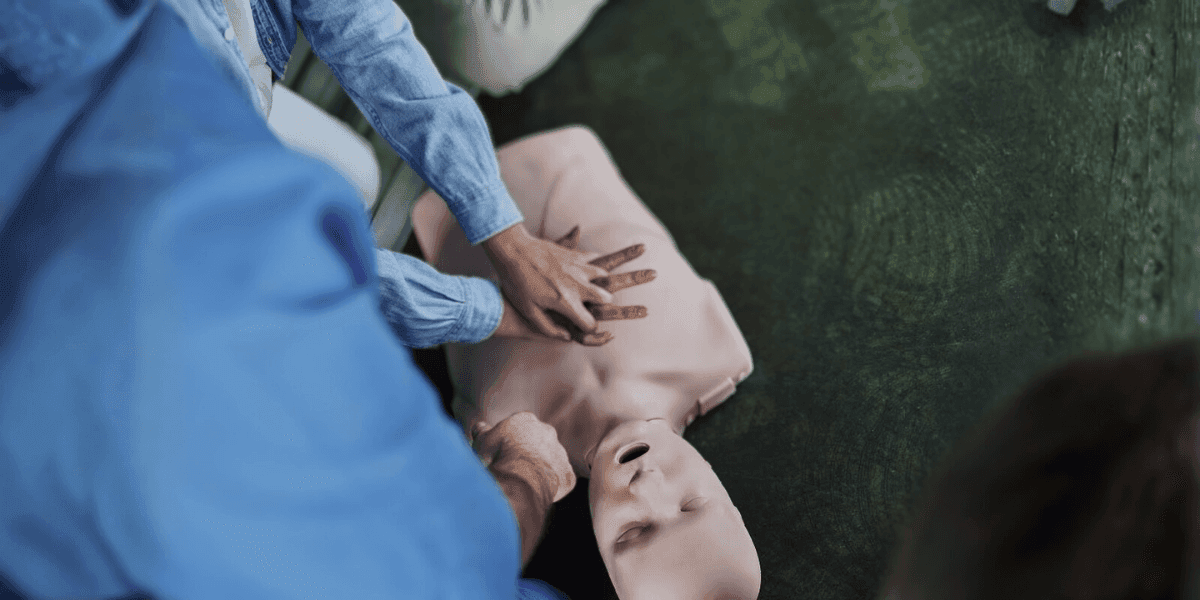
Basic Life Support (BLS) includes CPR, rescue breathing, and immediate response protocols for cardiac and respiratory emergencies. While it’s long been part of clinical training, this article shows how BLS is evolving into a proactive safety tool not just for hospitals, but also for home health, assisted living, and outpatient settings.
In fact, BLS training is becoming increasingly essential in settings where immediate medical intervention can be the difference between life and death. Nurses who are trained in BLS are equipped with the skills and confidence to manage these critical situations. This proactive approach is not only saving lives but also improving patient outcomes across diverse healthcare environments.
Here are the key takeaways:
Nurses Are Often the First and Only Line of Defense
In many senior care settings, particularly at home or in assisted living facilities, a licensed nurse may be the only medical professional on-site. BLS training gives them the confidence and skill to respond instantly when seconds matter. In these environments, nurses are frequently the first to recognize an emergency and, often, the only ones capable of taking immediate action. For families, knowing that their loved ones are cared for by a professional with this critical training offers significant peace of mind.
BLS certification ensures that nurses are prepared to handle life-threatening situations, even when waiting for emergency medical services (EMS) to arrive. Nurses who are well-versed in BLS can begin life-saving interventions immediately, helping stabilize patients and reduce the impact of the emergency.
Readiness Reduces Preventable Losses
Emergencies don't always come with warning signs. Nurses who maintain active BLS certification are better prepared to recognize early distress like irregular breathing, loss of consciousness, or a silent heart event and act decisively before things spiral out of control. Early detection and intervention are key to preventing unnecessary losses.
Many healthcare professionals, especially those working in home health care or assisted living, are already on the frontlines. With proper BLS training, they can identify early warning signs of a medical emergency that may otherwise be missed. Prompt action can be the difference between a full recovery and severe complications, underscoring the value of BLS certification in these settings.
Moreover, nurses who are prepared and trained in BLS can more easily adjust to the unpredictable nature of patient care. Whether working in a bustling hospital or in the quiet comfort of a home, a nurse’s ability to stay calm and act fast is critical.
It’s Not Just About CPR
BLS training also covers the safe use of automated external defibrillators (AEDs), clearing airways, and handling life-threatening allergic reactions. These are common risks in senior populations, especially those with multiple diagnoses. BLS certification provides nurses with a comprehensive toolkit for addressing a wide range of medical emergencies, beyond the traditional image of CPR alone.
Automated external defibrillators are increasingly accessible in home and facility-based care settings. For nurses who are trained in their use, these devices become life-saving tools that can be employed immediately during a cardiac event, even before an ambulance arrives. Additionally, handling airway blockages and severe allergic reactions are critical skills when caring for vulnerable individuals, particularly in non-hospital settings.
Understanding these tools and techniques gives nurses a broader ability to respond to emergencies, creating a safer and more responsive care environment.
Ongoing Certification Makes a Difference
The article emphasizes that regular re-certification improves outcomes. Nurses who refresh their skills every two years stay sharper, calmer, and more capable during critical moments something families should ask about when evaluating care teams. BLS certification is not a one-time event; it’s an ongoing process of education and practice.
Re-certification ensures that nurses remain up to date on the latest techniques, best practices, and equipment. As healthcare technologies evolve, so too do the protocols for life-saving interventions. Nurses who continually update their knowledge and skills provide the highest level of care, especially in emergencies where every second counts.
Families should ask about the BLS certification status of the professionals caring for their loved ones. Knowing that a nurse is regularly re-certified ensures that the care provided is current, effective, and based on the latest safety guidelines.
Families and Agencies Both Benefit
When care providers invest in BLS training, it doesn’t just protect patients it builds trust with families. Knowing that the person caring for your loved one can respond to an emergency without hesitation offers peace of mind that no care plan can replace. Families are more likely to feel confident in the care being provided when they know their nurse is prepared for any emergency.
For agencies, investing in BLS training for their staff can improve both patient outcomes and their reputation. Agencies that prioritize the training and well-being of their staff demonstrate a commitment to providing top-tier care, building stronger relationships with families and communities.
Final Thoughts
In an era when more care is being delivered outside hospitals, the definition of “readiness” is changing. A nurse’s ability to perform daily care tasks is no longer enough they must be able to intervene in life-or-death situations while waiting for EMS to arrive.
The article makes one thing clear: BLS isn’t optional. It’s a critical layer of safety that separates reactive care from truly responsive care. When a health crisis strikes, nurses who are trained in BLS are the frontlines of immediate care. With the right tools and training, these nurses don’t just respond, they prevent further harm and help stabilize patients, often in the most crucial of moments.
As more care moves out of hospitals and into homes and facilities, ensuring that nurses are equipped with the skills to handle life-threatening emergencies becomes more important than ever. The simple yet essential act of being prepared can be the difference between life and death for vulnerable patients. Nurses who prioritize BLS training don’t just meet expectations they redefine what it means to be ready.
Read the Full Article Here:
The Critical Role of BLS in Nursing: How Nurses Are Redefining Readiness
Media Contact:
Jesús Pinto
PR Director
Help to Love
pintojesus@helptolove.com