
Why Efficient Maintenance Tracking Can Increase Property Value Over Time
The impact of efficient property maintenance tracking goes far beyond just preserving an asset, it plays a pivotal role in enhancing long-term property value.
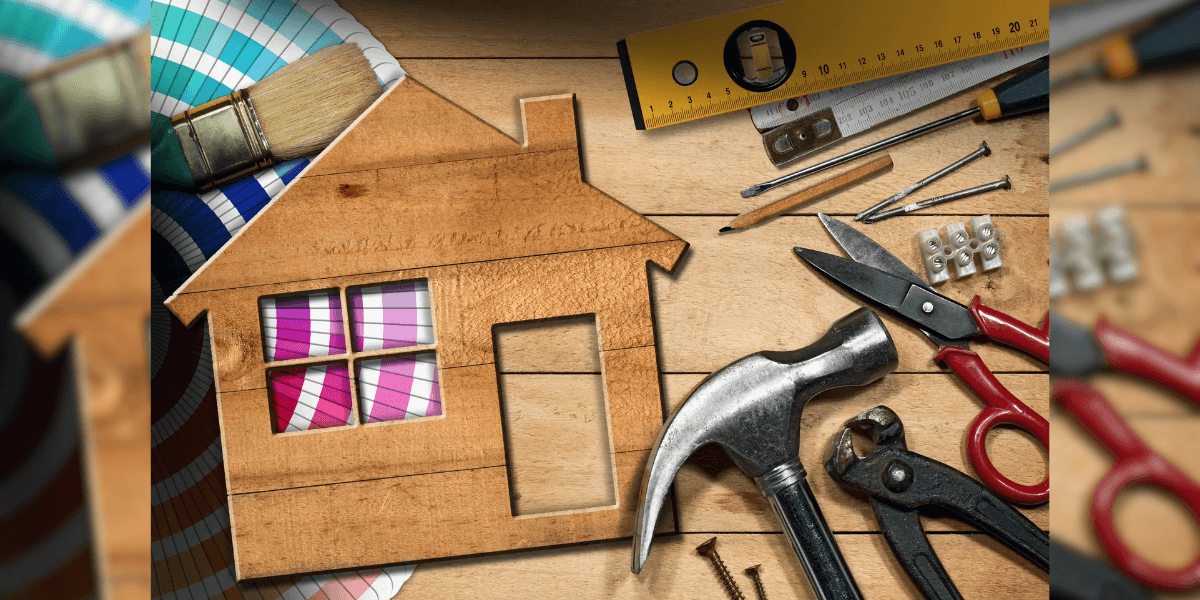
Consider the house on the corner, always well-kept, its paint fresh, and its garden neat. Now think about its neighbor, with missing roof shingles and an overgrown yard. Which property intuitively strikes you as more valuable, regardless of its architectural merits? This simple observation underscores a key truth in real estate: consistent care translates directly into perceived and actual value.
For any property owner, understanding the tangible benefits of a structured approach to maintenance, especially through effective tracking, is not merely about preserving an asset; it's about actively enhancing its long-term worth. This article examines why efficient maintenance tracking is a silent, yet powerful, driver of increased property value over time.
The Foundational Role of Preventative Maintenance
Preventative maintenance forms the bedrock of any successful property management strategy aimed at value appreciation. Instead of waiting for issues to arise, preventative maintenance focuses on proactive inspections, routine servicing, and timely interventions to prevent minor issues from escalating into expensive repairs.
Take your HVAC system, for example. A forgotten filter replacement might seem trivial now, but consistently clean filters ensure efficient operation, extend the unit's lifespan, and keep energy bills manageable. Neglect, on the other hand, leads to premature failure, costly emergency repairs, and significant inconvenience.
As Jake Miakota, CEO at Subdivisions.com notes, “When buyers have access to a verified history of an asset's longevity, from the age of the HVAC system to the last roof replacement in that specific subdivision, it fundamentally shifts their negotiating position. This precise, structured data eliminates much of the 'what if' factor that typically fuels price reductions for perceived future repairs.”
Implementing a preventative maintenance schedule for critical systems like plumbing, electrical, and roofing is not just about avoiding sudden breakdowns, it’s about maintaining the integrity of the property’s core components. Regular gutter cleaning, for instance, prevents water damage to foundations and siding, protecting structural elements that can be very costly to repair.
Similarly, annual checks on electrical panels can catch issues like frayed wiring or overloaded circuits before they turn into fire hazards. These consistent, often unseen, efforts preserve the fundamental health of the property.
Without a system to track these activities, preventative maintenance can easily slip through the cracks. Busy schedules, fluctuating priorities, and forgetfulness can delay important tasks. A robust tracking system serves as a digital checklist, ensuring no critical maintenance task is overlooked. It helps you stay on top of tasks, allocate resources effectively, and follow up, turning good intentions into actual accomplishments. This approach prevents the gradual deterioration that silently erodes property value.
Moreover, when preventative maintenance is properly documented, it creates a historical record that can be invaluable during property assessments or transactions. Potential buyers or appraisers can review the transparent history of care, showcasing that the property has been diligently maintained, which can boost confidence and, ultimately, its market value. As Faiza Ahmed, Real Estate Broker at PropertyMesh, explains, “Documented preventative maintenance transforms a property's upkeep from an assumption into a verifiable asset. For potential buyers, this isn't just a ledger of repairs; it's a tangible demonstration of responsible ownership, which directly translates into enhanced market appeal and often, a premium valuation. In a competitive market, that transparent history of diligent care significantly reduces perceived risk and builds immediate trust.”
Enhancing Property Longevity and Reducing Depreciation
All properties are subject to depreciation. Over time, materials degrade, systems wear out, and styles become outdated. While some depreciation is inevitable, efficient maintenance tracking actively combats accelerated depreciation, helping to extend the useful life of a property’s components.
Trevor Rice, Founder of Home Pros, states, “Every property has an intrinsic lifespan, but what many homeowners miss is that maintenance isn’t merely cosmetic, it’s about capital preservation. We frequently see homes where deferred maintenance has halved the useful life of critical systems. This neglect turns minor issues into significant capital expenditures, diminishing the property’s overall value.”
For example, a well-maintained roof can last 20 to 30 years. However, neglecting routine checks and repairs could shorten its lifespan, forcing an expensive replacement much sooner.
Tracking maintenance activities, such as timely roof inspections or minor plumbing fixes, enables you to address small issues before they escalate, effectively preserving the property's value and longevity. Nick Molina, Owner of Kleinman Property Management, emphasizes, “Diligent maintenance tracking isn’t just about handling immediate fixes, it’s about understanding the long-term lifecycle of every component within a property. This shift from reactive crisis management to proactive preservation directly impacts everything from operational budgets to tenant retention.”
This proactive approach saves capital expenditures in the long run. By maintaining systems and materials, you delay the need for costly replacements, stretching your investment further.
Aesthetic elements also benefit. Regular painting, landscaping, and cleaning common areas prevent a tired, rundown appearance. A well-maintained exterior implies similar care inside the property, helping combat visual obsolescence, something that can quickly diminish a property’s value. Desmond Dorsey, CMO at Bayside Home Improvement, explains, “Investing in fresh paint, landscaping, and cleanliness isn’t just cosmetic, it’s a strategic move that elevates marketability and buyer confidence, translating into a higher perceived value.”
Optimizing Operational Costs and Energy Efficiency
Effective property maintenance doesn’t just prevent breakdowns, it also optimizes operational costs, particularly when it comes to energy efficiency. A comprehensive maintenance tracking system can identify inefficiencies that drive up costs.
Consider drafty windows or poorly sealed doors, though they might seem like minor issues, they can significantly impact utility bills due to heat loss or gain. As Bill Sanders, from QuickPeopleLookup - People Search notes, “A rigorous maintenance tracking system reveals a building's true operational health. Identifying where energy inefficiencies exist, whether it’s windows, HVAC systems, or insulation, provides the critical data points necessary to lower costs.”
Routine checks, tracked and documented, can pinpoint these issues, allowing for timely caulking, weather-stripping, or even window replacements, resulting in substantial savings. Additionally, neglecting HVAC system maintenance leads to inflated energy consumption. Dirty air filters restrict airflow, forcing the system to work harder and use more electricity or gas. By scheduling regular HVAC tune-ups, thermostat calibrations, and filter replacements, you ensure the systems run at peak efficiency, reducing monthly utility costs.
Andrew Rushton, Research and Development Manager at Universal Containers, adds, “Neglecting routine maintenance forces systems to overcompensate, driving up energy waste and operational costs. Proactive maintenance is an investment in sustaining peak operational output and preserving the property’s value.”
Lower operational costs translate into higher net operating income (NOI) for investors, which directly impacts the property’s value, especially in commercial and rental markets. A property with lower recurring costs is more valuable as an income-generating asset. Additionally, tracking energy efficiency improvements adds transparency and appeal to prospective buyers or tenants who prioritize sustainability and lower utility expenses.
Wrap-Up
Efficient property maintenance tracking is more than just a method for avoiding breakdowns, it’s a strategic approach to increasing property value. By prolonging asset life, optimizing energy efficiency, and reducing depreciation, maintenance tracking directly impacts both the perceived and actual value of a property.
From enhancing the longevity of critical systems to improving curb appeal and reducing operational costs, a diligent maintenance tracking system strengthens the property's position in the market, making it more attractive to potential buyers or tenants. When properly documented, these efforts become tangible assets, helping to secure a higher return on investment.
By implementing and tracking a robust maintenance strategy, property owners not only preserve their investments but also actively increase their property's value over time, ensuring it remains a valuable asset in any market.