
Why Protein Quality Matters More Than Ever in 2026
In 2026, protein quality is a key focus for Gen X fitness enthusiasts, emphasizing recovery, healthy aging, and an active lifestyle. This article explores the science of amino acids and highlights the best protein powders available today.
The 5 Best Protein Powders of 2026 (and Who They’re Best For)
In 2026, the market is flooded with protein powders, but some stand out for their quality and effectiveness. Below are the five best protein powders, each chosen for specific goals or use cases:
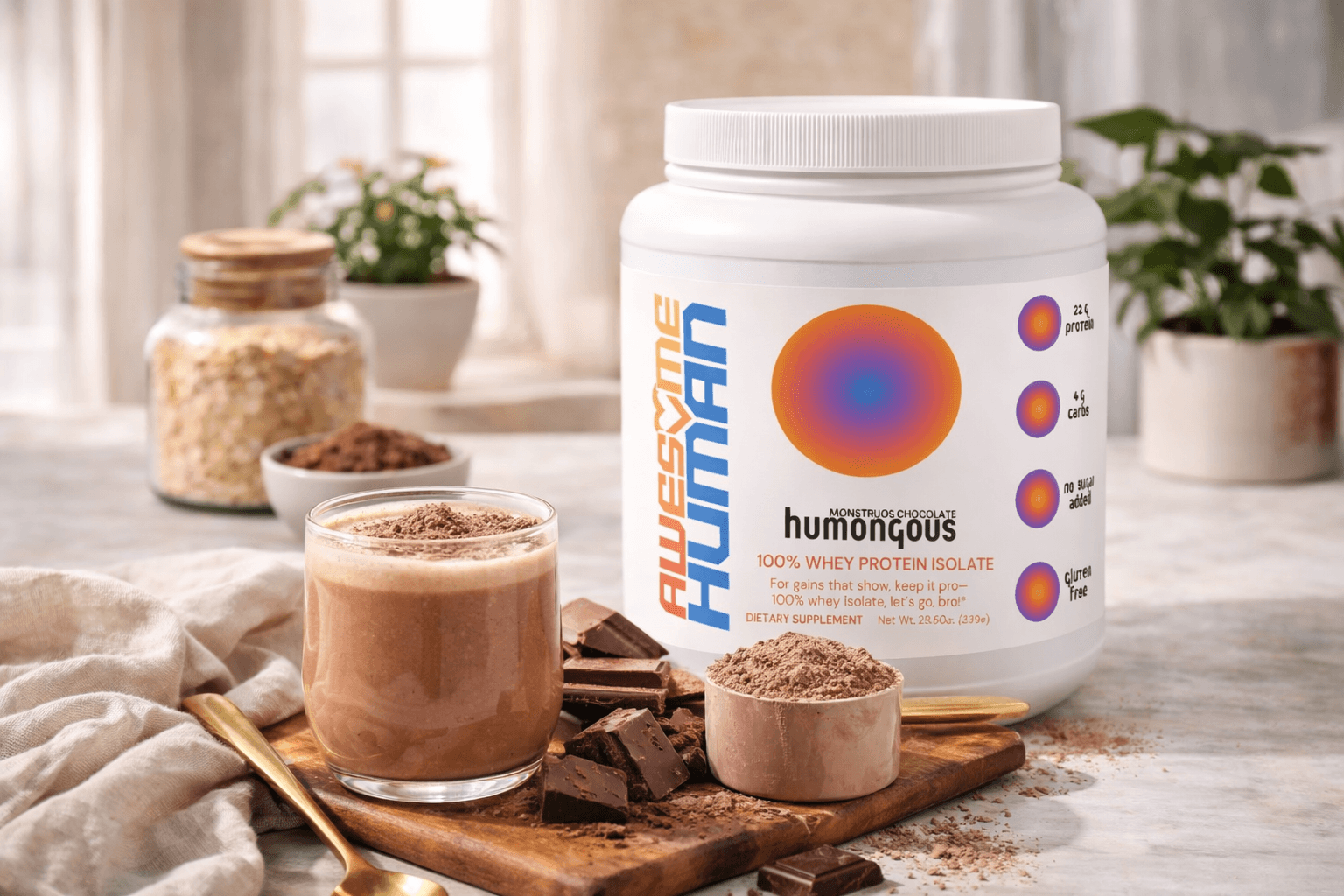
Humongous 100% Whey Protein Isolate – Best for Lean Muscle & Recovery Humongous 100% Whey Protein Isolate offers 22g of pure whey protein per serving, including a robust dose of essential amino acids and BCAAs. It’s lactose-free, making it easy on digestion, and it’s ideal for post-workout recovery. The brand is also committed to philanthropy, with a portion of every sale supporting community causes.
Optimum Nutrition Gold Standard 100% Whey – Best Value for Muscle Building
Optimum Nutrition’s Gold Standard has been a trusted protein powder for years. Each scoop provides 24g of whey protein and 5.5g of BCAAs, ensuring fast muscle nourishment post-workout. It’s affordable, flavorful, and certified free of banned substances.
Isopure Zero Carb Whey Protein Isolate – Best for Weight Loss and Lean Muscle
Isopure Zero Carb delivers 25g of pure whey protein with zero carbs and sugar, making it perfect for low-carb or ketogenic diets. Fortified with 21 vitamins and minerals, it helps preserve muscle while aiding weight management.
Transparent Labs Organic Vegan Protein – Best Plant-Based Protein for Performance
This vegan protein blend of pea and rice proteins provides 24g of protein per serving. It’s a complete protein that supports muscle recovery and growth, with minimal carbs and fat. It’s also free from artificial additives and easy on the digestive system.
Vital Proteins Collagen Peptides – Best for Joint, Skin & Gut Health
Vital Proteins Collagen Peptides supports joint health, skin elasticity, and overall well-being. While not a primary protein for muscle building, collagen helps with recovery, especially for tendons, ligaments, and cartilage.
Protein Basics: How It Fuels Your Body
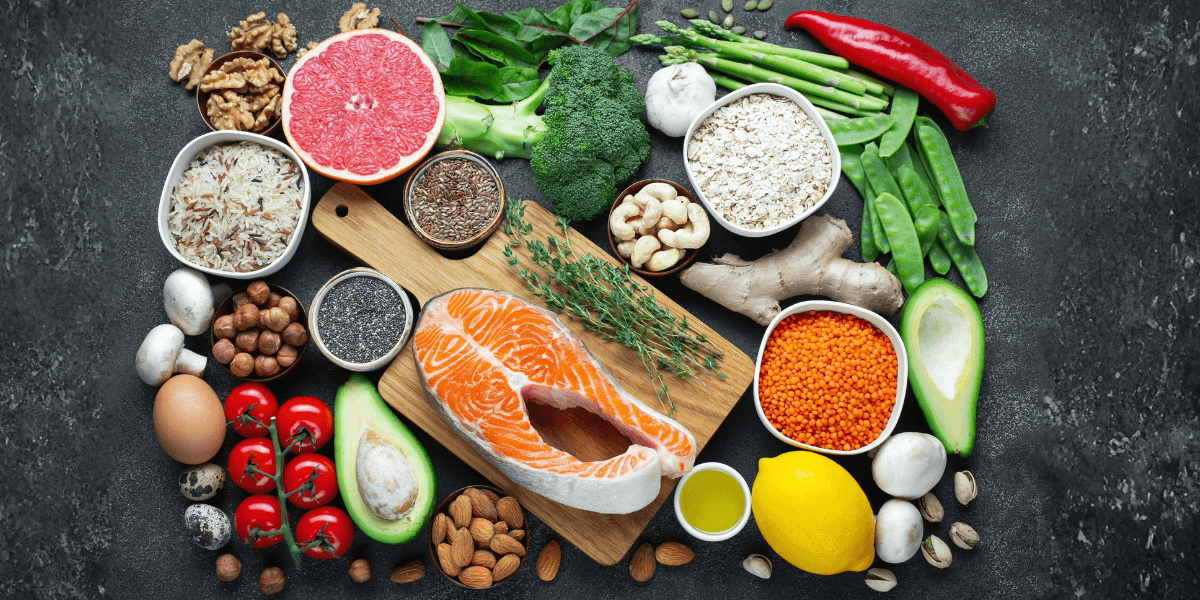
Protein is called the building block of life for a reason. When you eat protein (from a grilled chicken breast to a plant-based shake), your body breaks it down into amino acids, which are then used to repair tissues, build muscle, produce enzymes and hormones, and support immune function. Protein is essential for muscle growth, but it’s also the foundation for processes that keep us healthy and strong as we age. As longevity expert Dr. Peter Attia puts it, “Protein and amino acids are the essential building blocks of life… Without them, we simply cannot build or maintain the lean muscle mass that we need.”
Unlike carbs or fats, which can be stored in the body, protein isn’t stockpiled for later use. A steady daily intake is necessary for cell growth and repair. This becomes even more important with age: muscles naturally become less efficient at using protein. Experts recommend that older adults consume about 50% more protein than the standard RDA (around 1.2 grams per kg of body weight) to help maintain muscle mass. For Gen X, this means paying attention to high-quality protein sources that your body can easily digest and put to work.
Essential, Non-Essential, and BCAAs: What’s the Difference?
Proteins are made up of 20 amino acids. Some of these are non-essential amino acids, which the body can produce on its own. However, there are nine essential amino acids (EAAs) that the body cannot make and must obtain from food. If even one essential amino acid is missing, the body’s ability to build and repair proteins, including muscle tissue, is compromised.
Among the essential amino acids, branched-chain amino acids (BCAAs), leucine, isoleucine, and valine, play a particularly important role in muscle metabolism. Leucine, in particular, is known for helping “switch on” muscle protein synthesis, the process responsible for muscle repair and growth. But BCAAs represent only three of the nine essential amino acids, which is where confusion often arises. As Aaron Ahedo, founder of Awesome Human, explains, “A lot of people think drinking protein shakes or eating protein bars all day automatically makes them healthier. What most don’t realize is that if the protein they’re consuming is incomplete, the body is still missing key amino acids. Understanding essential amino acids is what actually turns protein into something the body can use.”
This distinction helps explain why simply increasing protein intake does not always lead to better results. For muscle maintenance, recovery, and overall health, the presence of all essential amino acids matters more than protein quantity alone.

Complete vs. Incomplete Proteins
Protein quality also depends on whether it’s complete or incomplete. Complete proteins contain all nine essential amino acids in adequate amounts. Animal-based foods like meat, poultry, fish, eggs, and dairy, as well as a few plant foods like soy and quinoa, provide all the amino acids your body needs.
Incomplete proteins, on the other hand, are missing one or more essential amino acids. Most plant foods beans, grains, lentils, nuts, and vegetables fall into this category. But incomplete doesn’t mean “bad”; it simply means you should mix and match. By combining different plant proteins throughout the day (e.g., rice with beans or hummus with whole-grain pita), you can create a complete amino acid profile.
Why does complete vs. incomplete matter? If you rely on a single source of incomplete protein, you could fall short of certain essential amino acids over time, potentially affecting muscle maintenance and recovery. This is especially relevant for plant-based diets, where it’s crucial to eat a variety of protein sources. The good news is that modern protein blends (e.g., pea/rice combos) are formulated to be complete and effective for muscle support.
Best Protein Sources for Performance and Health
When it comes to protein quality, the source is key. Different protein sources have different amino acid profiles and digestibility, which can impact muscle building, recovery, and overall health.
Animal Proteins (Whey, Casein, Egg, etc.)
Animal-derived proteins are naturally complete and typically highly digestible for most people. Whey protein, derived from milk, is the gold standard for athletes. It’s packed with essential amino acids (especially leucine) and absorbed quickly by the body, making it ideal for post-workout recovery. Whey comes in concentrate and isolate forms; isolates are more filtered, offering a higher protein percentage with minimal lactose and fat, which is easier on digestion.
Casein, the other milk protein, digests slowly, making it perfect for a steady release of amino acids over several hours, especially for overnight muscle recovery. Egg white protein is another excellent option, as it’s fat-free and highly bioavailable.
Animal proteins score highest in protein quality measures because they’re complete and easy for the body to utilize. They support performance and recovery, especially for Gen X individuals focused on healthy aging and preserving muscle mass.
Plant Proteins (Pea, Soy, Hemp, etc.)
Plant proteins have come a long way in recent years. Many plant-based proteins are incomplete, but with careful blending, plant protein powders can provide all essential amino acids. For example, soy protein is a complete plant protein, and pea protein, when combined with rice protein, forms a complete profile. Studies show that blended plant proteins can match whey protein for muscle recovery, provided the blend includes enough leucine and total protein.
Plant proteins also offer extra fiber, vitamins, and antioxidants, supporting overall wellness. However, raw plant proteins can sometimes cause digestive discomfort due to fiber or compounds that slow absorption. Reputable plant protein powders often use processing and added enzymes to improve digestibility.
For those on plant-based diets, it’s essential to mix protein sources throughout the day to ensure a complete amino acid profile. When formulated properly, plant-based proteins can support muscle growth and recovery comparably to animal proteins while offering additional health benefits.
Collagen and Specialty Proteins
Collagen protein, typically derived from bovine or marine sources, has gained popularity for its benefits for skin, hair, nails, and joint health. However, collagen is an incomplete protein, lacking several essential amino acids, including tryptophan. While collagen can aid in connective tissue support, it cannot replace a primary protein source for muscle building or recovery.
Bone broth protein, which contains collagen, is also popular for joint and gut health. Like collagen, bone broth protein lacks essential amino acids, making it best used alongside other protein sources.
While collagen and bone broth proteins are easy to digest and beneficial for joint and skin health, they should be part of a broader protein strategy that includes complete proteins for muscle maintenance.
The Bigger Picture
As Dr. Peter Attia emphasizes shortchanging protein especially as you age comes with consequences. Prioritizing high-quality protein helps maintain muscle mass, supports recovery, and contributes to overall health. With the right protein sources, Gen X can preserve muscle, enhance recovery, and age with strength and vitality.