Winter Storm, Military Controversy, and Economic Forecasts
A sweeping winter storm paralyzed large parts of the East Coast just as the nation contends with mounting controversies over U.S. military operations abroad. On Capitol Hill and in the courts, major institutional and policy battles resumed, with new developments touching energy research, Supreme Court oversight, immigration, and economic policy. Together, these events highlight growing tensions between domestic priorities and aggressive executive‑branch actions under the current administration.
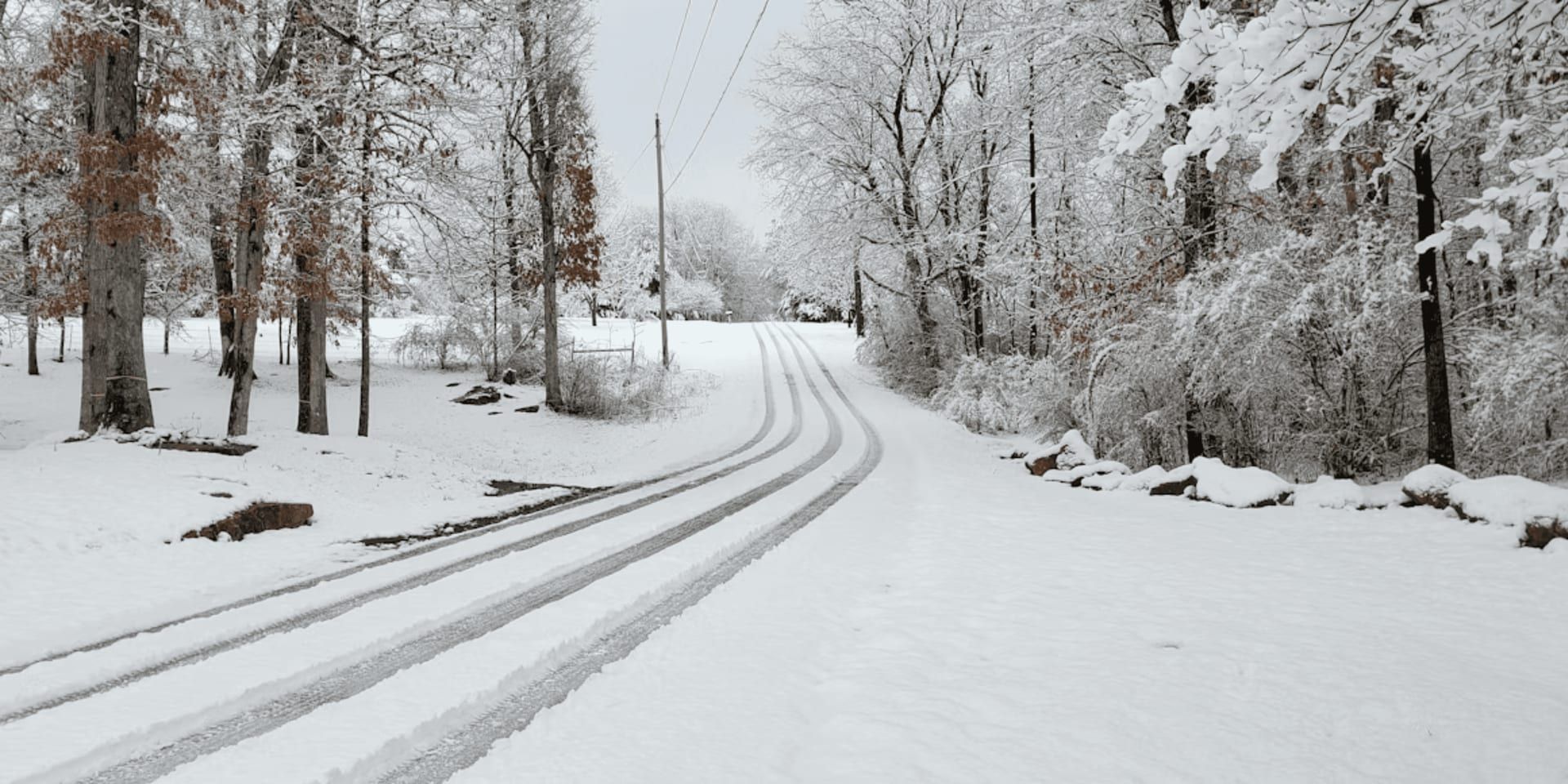
Winter Storm Hits Northeast — First Big Snow of Season Disrupts Travel and Infrastructure
A powerful winter storm swept across the Northeastern United States on Tuesday, delivering the region’s first major snowfall of the 2025–2026 winter season. Some areas of northern New England — including parts of Maine, Vermont, and New Hampshire — were forecast to receive up to 10 inches of snow, prompting winter‑storm warnings and widespread travel advisories. States such as Pennsylvania, Ohio, and New York also saw several inches of snow, causing school closures, highway accidents, and major disruptions to morning commutes. Many residents faced hazardous road conditions, prompting emergency crews to mobilize for snow removal and road safety efforts. The storm’s early arrival has increased concerns over heating demands and potential strain on regional infrastructure heading into winter.
Supreme Court Begins December Term with Key First Amendment Case
On Tuesday, the Supreme Court of the United States began hearing arguments in a pivotal case from New Jersey — First Choice Women’s Resource Centers v. Matthew J. Platkin, addressing whether state demands for fundraising and operational data from faith‑based pregnancy centers infringe on their free‑speech and associational rights. The case has drawn national attention for its potential to reshape the boundaries of state regulation of religious and nonprofit organizations, with broader implications for First Amendment protections across the country. Should the Court side with First Choice, it could limit states’ ability to compel disclosure from organizations based on their beliefs — a development likely to influence future regulations of nonprofit and religious groups.

Military Blowback: Administration Defends Controversial Drug‑Boat Strikes
The United States Department of Defense and White House delivered a forceful defense of a controversial September strike on a drug‑trafficking boat off the coast of Venezuela that killed multiple survivors, actions ordered by Pete Hegseth under the administration’s intensified anti‑drug campaign.
On December 2, the administration convened its Cabinet as pressure mounted from lawmakers — including members of both parties — demanding accountability and transparency. Critics and former military legal experts argue the strike may constitute an unlawful act under both U.S. and international law, raising grave questions about executive overreach, rules of engagement, and the moral responsibilities of the U.S. military. With a classified briefing for Congress slated for later this week, the episode continues to cast a long shadow over U.S. foreign policy and defense doctrine — fueling debate about civilian oversight and the use of force in the war on drugs.
Energy Policy Shift: Renewable Energy Lab Renamed, Signaling Change in Focus
The administration’s efforts to restructure energy policy took a symbolic and substantive turn as the National Renewable Energy Laboratory (NREL) was officially relaunched under a new name: National Laboratory of the Rockies. The name change reflects the administration’s broader pivot away from prioritizing traditional “renewables,” according to the Department of Energy — suggesting a redefined mission for the lab that may include increased emphasis on “energy addition” rather than renewable generation. Critics warn that this shift risks undermining the United States’ competitive advantage in clean energy research and jeopardizing long‑term climate and sustainability goals at a time when global rivals continue to accelerate their renewables investments. For researchers and clean‑energy advocates, the move signals a pivotal re‑orientation — potentially reshaping the country’s energy strategy for years to come.

Economic Outlook: Slower Growth and Fewer Rate Cuts Ahead, Says International Watchdog
In a new forecast released today, the Organisation for Economic Co‑operation and Development (OECD) warned that leading global economies — including the United States — are likely to end their current cycle of interest‑rate cuts by the end of 2026.
For the U.S., the forecast suggests only two more rate cuts from the Federal Reserve before rates stabilize around 3.25 – 3.50 percent through 2027. The agency cited persistent inflationary pressures — tied to tariffs and a weakening labor market — as reasons for maintaining tighter monetary policy. This projection comes amid signs of manufacturing contraction and volatile financial markets, as investors grow increasingly uncertain about economic growth and the trade environment. The economic forecast adds pressure on businesses and consumers, dampening expectations for a near‑term rebound in investment or hiring.
Looking Ahead
As Washington confronts legal challenges over military conduct and constitutional boundaries, the energy sector prepares for a potential redirection in federal research priorities — and the economy braces for a protracted period of restrained growth. In the coming days, all eyes will be on Congress as lawmakers request classified briefings on the drug‑boat strike; on the Supreme Court as it issues early decisions in its December term; and on federal agencies as they lay out the renewed mandates for the renamed energy laboratory. Meanwhile, the developing winter storm across the Northeast may test state infrastructure and emergency preparedness just as policymakers debate long‑term fiscal and climate plans.