Your Child Is Autistic, Now What? How the Academic Health Alliance Began
Academic Health Alliance is a North Carolina nonprofit providing educational resources and practical tools for neurodivergent individuals and families.
For years, Kelcie Lynch believed she was failing as a parent.
She watched other families move through daily routines with what appeared to be easy while her own household faced constant emotional overwhelm, communication struggles, and uncertainty. Questions followed her everywhere. Why did everyday situations feel more difficult? Why did traditional parenting approaches seem ineffective inside her home?
What Lynch did not yet understand was that her children were neurodivergent, and so was she.
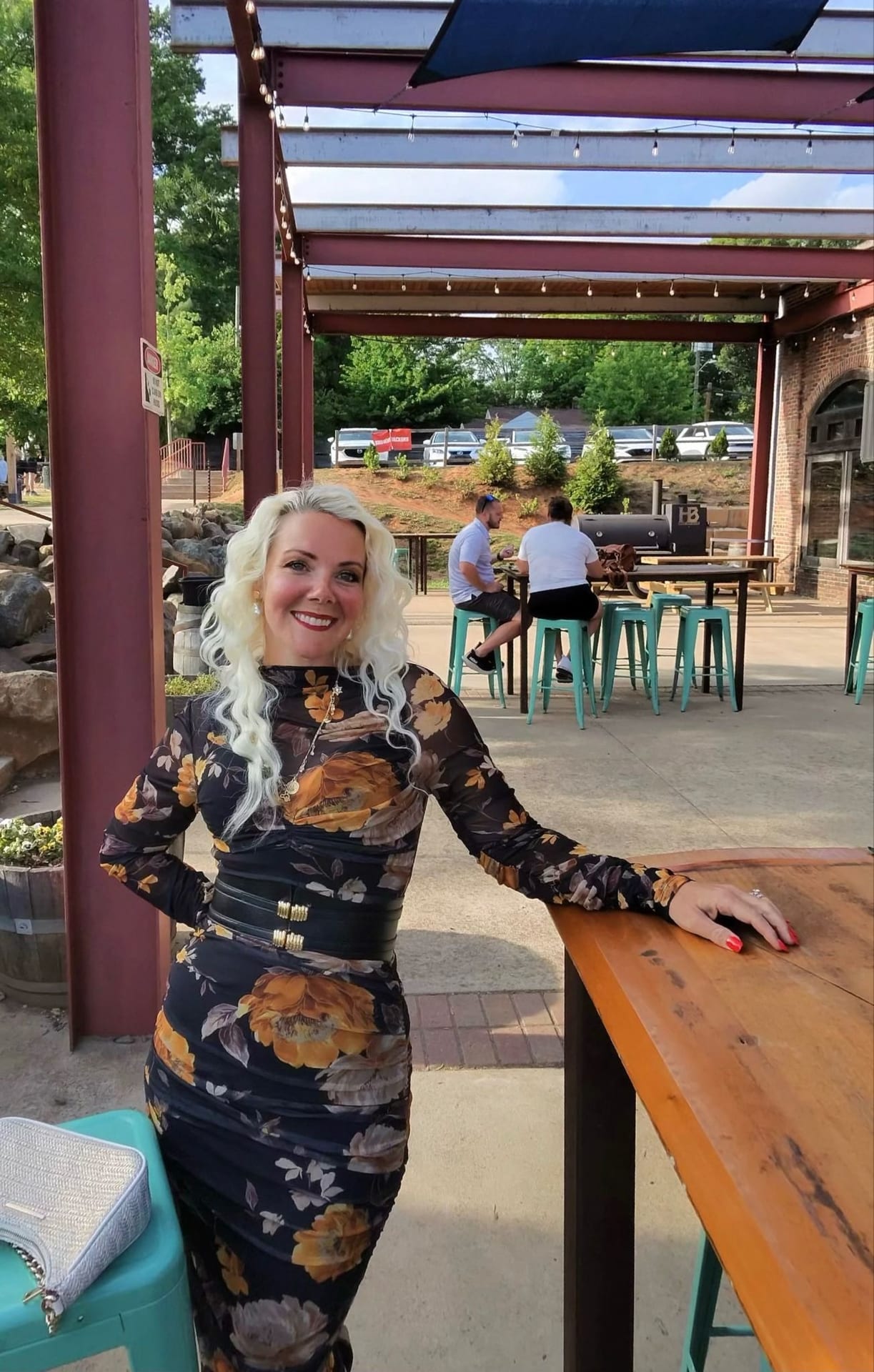
That realization would eventually reshape not only her family life, but also her professional direction. Today, as COO of Academic Health Alliance, Lynch helps develop educational resources and communication tools intended to support neurodivergent individuals and the families who care for them.
Academic Health Alliance was founded around the belief that neurodivergent individuals should be supported in ways that respect their communication styles, perspectives, and individual needs. The organization focuses on educational programming, family support resources, and practical learning tools designed to help individuals navigate school, relationships, work environments, and daily responsibilities.
“This journey did not begin in a classroom or a boardroom,” Lynch says. “It began in motherhood, confusion, survival, and love.”
The organization develops workshops, digital learning resources, educational media, and community initiatives focused on communication, emotional awareness, independent living skills, workplace readiness, and family understanding. Rather than approaching neurodiversity strictly through clinical language, Academic Health Alliance emphasizes practical guidance families can apply within everyday life.
For Lynch, the mission became deeply personal after years of navigating parenting challenges without feeling fully understood or supported.
“I spent years without resources,” she says. “Not everyone gets that opportunity or support. The earlier families recognize how their loved ones experience the world, the more prepared they may feel navigating everyday situations together.”
That experience shaped the direction of Academic Health Alliance. According to Lynch, many families receive information about diagnoses or developmental differences but still struggle to understand how those experiences may affect communication, emotional processing, organization, or social interaction on a day to day basis.
The organization aims to help bridge that gap by translating complex topics into accessible educational content and practical strategies for families and caregivers.
Programs and educational materials developed by Academic Health Alliance focus on communication development, relationship building, executive functioning support, leadership development, workplace preparation, and independent living skills. The organization’s broader goal is to encourage understanding, adaptability, and stronger family communication rather than focusing solely on correcting behaviors.
“We are trying to give families tools that help them better understand each other,” Lynch says. “We want parents and caregivers to feel more informed, more connected, and more prepared for the challenges they may encounter.”
That perspective continues shaping the organization’s educational platform. Academic Health Alliance recognizes that many neurodivergent individuals experience the world differently from traditional educational or workplace environments. Differences in communication, sensory processing, attention, or organization can sometimes create misunderstandings within systems that are not always designed with neurodivergent experiences in mind.
The organization also places importance on self understanding for adults who may only later recognize their own neurodivergent traits or experiences.
Lynch relates closely to that experience herself.
Before recognizing her own autism, she had already developed a successful professional career built around organization, systems, and problem solving. Looking back, she now sees how her neurodivergent thinking contributed to many of those strengths.
“I had found a way to turn my brain into a problem solving machine to propel me in business,” she says. “Not everyone is that lucky.”
That perspective continues influencing the organization’s work today. Academic Health Alliance encourages neurodivergent individuals to recognize their strengths while also building communication tools, organizational strategies, and support systems that can help them navigate everyday responsibilities and relationships.
“Our mission is not to compromise what makes neurodivergent people unique,” Lynch says. “Our mission is to help people feel understood and supported.”
In addition to educational programming, Academic Health Alliance is expanding its role as an educational media platform focused on awareness, accessibility, and community support surrounding neurodiversity. Through digital resources, outreach initiatives, and collaborative educational efforts, the organization works to encourage broader conversations surrounding neurodivergent experiences across schools, workplaces, and communities.
The work reflects broader conversations taking place across many industries as awareness surrounding neurodiversity continues to grow. Families, educators, and employers are increasingly seeking practical information that feels accessible, relatable, and applicable to everyday life.
Academic Health Alliance hopes to provide resources that support families during the period between recognition, understanding, and long term adjustment.
Today, the organization continues developing programs intended to support neurodivergent individuals across different stages of life, from childhood communication development to workplace preparation and independent living education. Academic Health Alliance believes neurodivergent individuals contribute valuable perspectives, creativity, and problem solving abilities that deserve recognition and support.
As conversations surrounding neurodiversity continue evolving, Lynch hopes families who feel isolated or overwhelmed recognize that they are not alone in their experiences.
To learn more about Academic Health Alliance and its educational initiatives, visit AcademicHealthAlliance.com or follow the organization on Instagram and Facebook.