
Alaska Election Lawsuit, Wall Street's AI Selloff and Middle East Tensions Dominate U.S. News
The Trump administration's legal challenge to Alaska's U.S. Senate election intensified Friday as the November midterms approached, while Wall Street confronted renewed concerns about artificial intelligence spending and the outlook for interest rates. Rising tensions in the Middle East pushed oil prices to a five-month high, adding pressure to the global economy. Meanwhile, a proposed humanitarian ceasefire in a Russian-occupied Ukrainian city offered a potential opening for civilian evacuations, and federal charges against two former FBI officials brought renewed attention to a politically contentious investigation from the 2020 election.
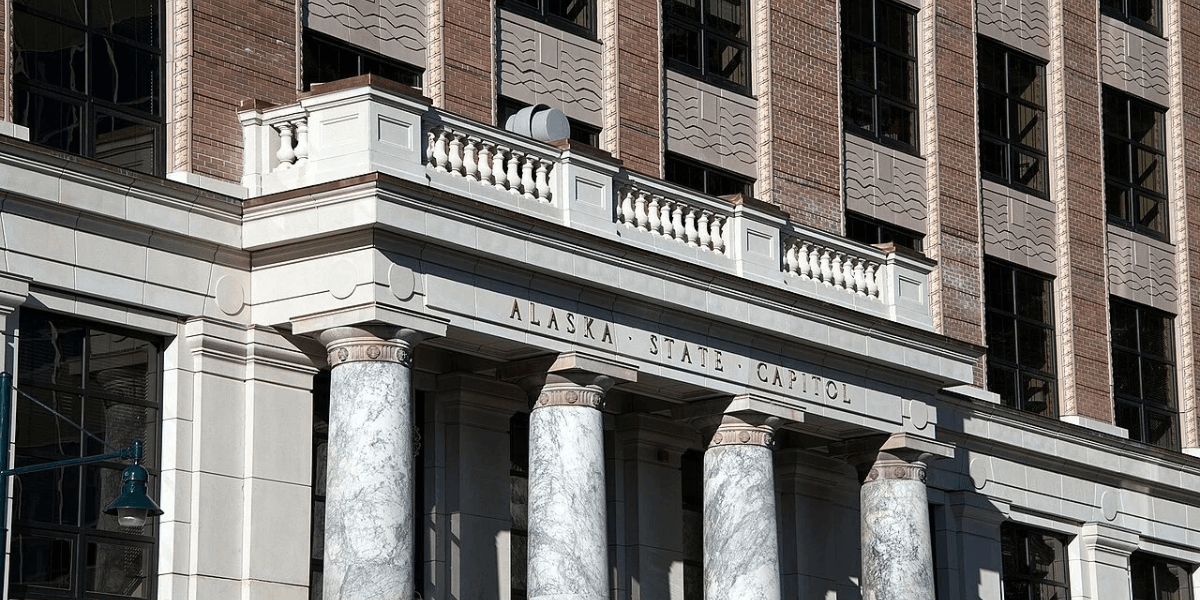
Trump Administration Challenges Alaska Senate Election Certification Ahead of Midterms
President Donald Trump said Friday that he ordered the Justice Department to pursue a lawsuit involving Alaska's U.S. Senate election, escalating a dispute over ballot eligibility and the certification of results less than two weeks before the November 3 midterm elections.
The lawsuit seeks to prevent Alaska from certifying a victory for Democratic candidate Mary Peltola if Republican incumbent Sen. Dan Sullivan loses while another candidate with the same name remains on the ballot. The administration argues that the presence of two candidates named Sullivan creates potential voter confusion. Alaska's Supreme Court previously rejected efforts to remove the other Sullivan from the ballot, setting up a confrontation involving federal election litigation and state authority over election administration.
The dispute carries implications beyond Alaska because states generally administer and certify federal election results under their own laws, subject to federal constitutional and statutory requirements. The administration's effort raises questions about the circumstances in which federal courts may intervene before election results are finalized. With control of Congress at stake in November, the case could become an important test of how courts address election disputes involving ballot access, voter confusion and certification procedures.
The immediate question is whether a federal judge will grant the administration's requested relief. Any ruling could face additional legal challenges, particularly if it conflicts with earlier decisions by Alaska's courts. Election officials must meanwhile prepare to conduct voting under the applicable ballot rules while the litigation proceeds.

Wall Street Faces Renewed AI Selloff as Investors Prepare for Federal Reserve Decision
U.S. financial markets entered the final trading session of the week under pressure after a sharp decline in technology stocks raised fresh concerns about the enormous investments companies are making in artificial intelligence. The Nasdaq Composite recorded its largest one-day decline since June on Thursday, with disappointing corporate earnings contributing to a broader reassessment of valuations across the technology sector.
Shares of Meta Platforms and semiconductor equipment manufacturer Lam Research came under pressure following quarterly results that unsettled investors. The reaction reflected growing scrutiny of whether spending on AI infrastructure, including data centers, advanced processors and computing capacity, will generate returns quickly enough to justify current investment levels. Technology companies have been central to the multiyear U.S. stock market rally, making weakness in the sector particularly consequential for major indexes and retirement portfolios.
The selloff also influenced bond markets. U.S. Treasury securities rallied as investors sought relatively safer assets, while expectations for additional Federal Reserve interest rate increases diminished. The changing outlook highlighted the competing forces confronting policymakers: inflation risks associated with elevated energy prices and concerns that weaker financial markets or slowing technology investment could undermine economic growth.
Investors now face a consequential week of corporate earnings announcements and a Federal Reserve policy meeting. Results from major technology companies will provide additional evidence about demand for AI products and the profitability of infrastructure spending. Federal Reserve officials, meanwhile, must evaluate whether economic conditions justify maintaining current borrowing costs or adjusting monetary policy.
The combination of technology-sector volatility, higher energy prices and uncertainty over monetary policy could influence borrowing costs, corporate investment decisions and household finances. Markets will be watching whether upcoming earnings restore confidence in the AI investment cycle or reinforce concerns about excessive spending and stretched valuations.

Middle East Security Crisis Pushes Oil Prices to Five-Month High
Escalating security threats across the Middle East drove international oil prices higher Friday, intensifying concerns about global energy supplies and the economic consequences of a prolonged regional conflict.
Brent crude climbed to approximately $114.10 per barrel, its highest level in five months, as traders assessed renewed attacks involving shipping routes and energy infrastructure. Reuters reported that October had become the worst month for attacks on commercial vessels in the Strait of Hormuz and surrounding waterways since the Washington Institute for Near East Policy began tracking such incidents in 2017.
The Strait of Hormuz remains one of the world's most important maritime energy corridors, connecting major Persian Gulf oil producers with international markets. Attacks on commercial shipping can increase insurance costs, disrupt transportation schedules and create uncertainty about future supplies even when substantial volumes of oil continue moving through the region.
The security situation has deteriorated following attacks attributed to Yemen's Iran-aligned Houthi movement against targets in Saudi Arabia, including an airport and oil facilities. Iran's Islamic Revolutionary Guard Corps has also reported additional attacks on tankers in the Strait of Hormuz. The U.S. State Department has ordered some diplomatic personnel and family members to leave American missions in Saudi Arabia amid the heightened risks.
Israel faced a separate security incident Friday, reporting that its forces killed two gunmen and prevented what Israeli authorities described as an attack against civilians in the occupied West Bank. Prime Minister Benjamin Netanyahu's office subsequently announced instructions to close the territory. The developments occurred just days before Israel's October 27 national election, adding another security concern to an already tense political environment.
Higher oil prices present an immediate challenge for the United States, where gasoline, diesel and transportation costs can influence inflation and consumer spending. Sustained increases in energy prices could complicate the Federal Reserve's policy decisions while raising operating costs for airlines, shipping companies and manufacturers.
The next phase of the crisis will depend partly on whether attacks against commercial vessels and regional infrastructure continue. Investors and governments will also monitor potential changes in U.S. military deployments, diplomatic security measures and the flow of oil through critical shipping routes.
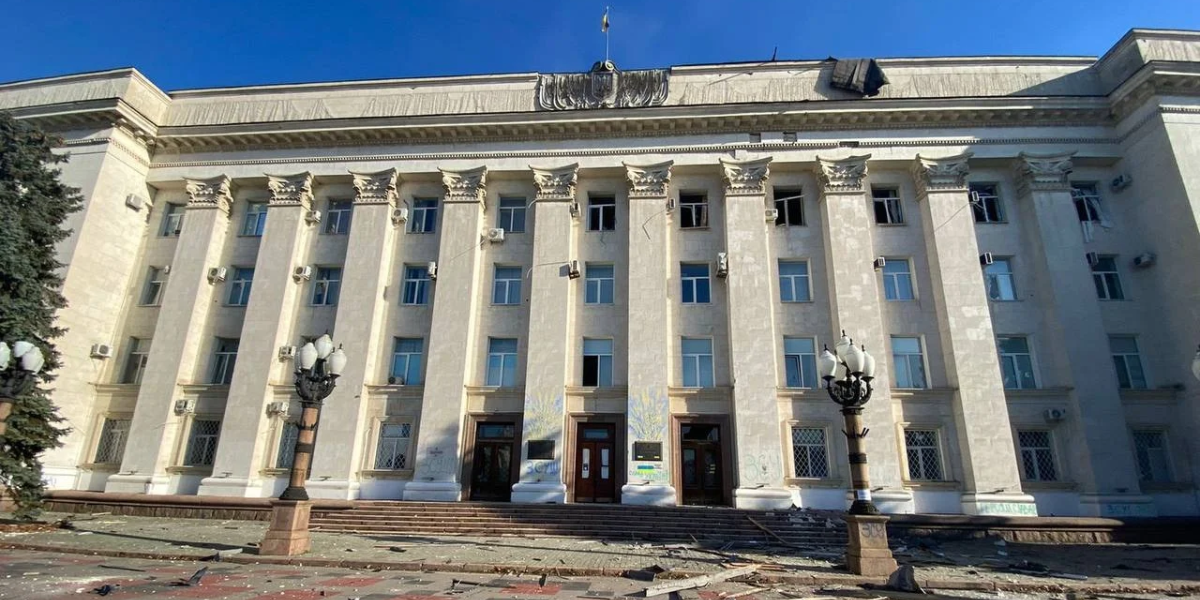
Melania Trump Helps Arrange Humanitarian Ceasefire in Russian-Occupied Ukrainian City
The White House announced Friday that first lady Melania Trump helped negotiate a localized ceasefire between Russia and Ukraine to permit humanitarian assistance and civilian evacuations from Oleshky, a heavily damaged city in southern Ukraine's Kherson region.
The agreement followed discussions involving American, Ukrainian and Russian representatives. According to the White House, the humanitarian operation is scheduled to begin October 29, with preliminary ceasefire arrangements taking effect earlier in the week. Ukrainian and Russian officials confirmed the agreement, although implementing it will require extensive coordination in an active combat zone.
Oleshky lies along the Dnipro River opposite Ukrainian-controlled territory and has been under Russian occupation since the early stages of Moscow's February 2022 invasion. Before the war, the city had approximately 24,000 residents. The White House estimates that only 1,700 to 2,000 remain, many of them elderly, along with approximately 50 children. Those estimates have not been established through a recent formal census.
Residents have faced severe shortages of food, medicine, electricity and clean water. Roads surrounding the city are heavily mined, and damage from fighting and the 2023 destruction of the Kakhovka Dam has further complicated civilian movement. The proposed operation would involve clearing safe passage routes, delivering essential supplies and arranging transportation for residents who wish to leave.
Ukraine's human rights ombudsman, Dmytro Lubinets, who participated in negotiations, warned that carrying out the agreement would be extremely difficult. Russian military officials said their forces would observe a temporary halt in fighting to facilitate the operation. The precise arrangements for monitoring compliance and protecting evacuation routes remained sensitive.
United Nations Secretary-General António Guterres welcomed the announcement and expressed hope that the limited ceasefire could contribute to broader efforts to end the war.
The humanitarian agreement does not represent a general ceasefire or a settlement of the conflict. Fighting continues elsewhere in Ukraine, and major disagreements remain over occupied territory, security guarantees and the terms of any lasting peace.
Nevertheless, the arrangement provides a potential opportunity to deliver urgently needed assistance to civilians who have spent years in a frontline city. Its success will depend on whether both militaries observe the agreed pause, whether dangerous routes can be cleared and whether humanitarian personnel can operate safely.
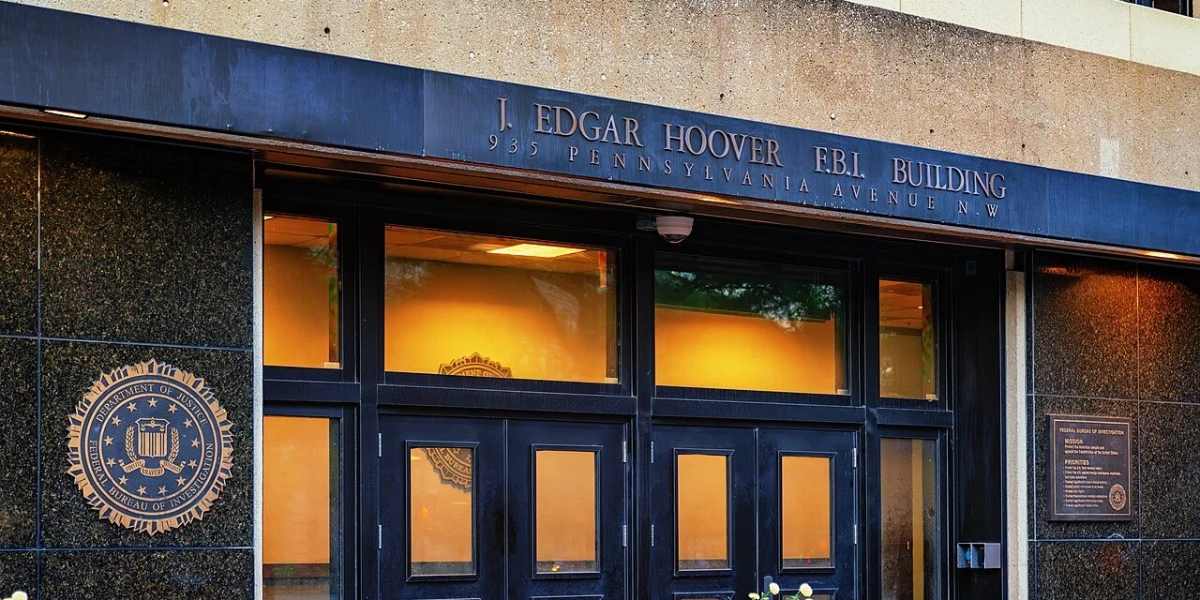
Two Former FBI Officials Charged Over Congressional Testimony About Hunter Biden Investigation
The Justice Department filed criminal charges Friday against two former senior FBI officials, alleging that they made false statements to Congress about their knowledge of investigations involving Hunter Biden and a laptop associated with him during the 2020 presidential election.
The defendants, Nikki Floris and Bradley Benavides, previously held senior positions connected to the FBI's counterintelligence and foreign influence operations. Federal prosecutors allege that the officials misrepresented their involvement in discussions and investigative activities concerning Hunter Biden when they testified before the House Judiciary Committee in 2023.
According to the criminal complaints, investigators obtained evidence that the former officials had participated in communications about the Biden-related inquiries despite testimony suggesting otherwise. Prosecutors contend that the alleged misstatements interfered with congressional oversight.
Both defendants have denied wrongdoing through their attorneys, who challenged the allegations and questioned the timing of the prosecution. The charges were filed approximately three years after the congressional testimony and less than two weeks before the November midterm elections.
During an initial court appearance in Washington, U.S. Magistrate Judge Zia Faruqui raised questions about the age of the allegations and the government's decision to proceed through criminal complaints. The defendants were released, and a preliminary hearing was scheduled for Tuesday, October 27, to examine whether prosecutors have sufficient evidence to support the charges.
The case revisits a politically contentious investigation involving Hunter Biden, whose laptop became the subject of extensive public debate during the 2020 presidential campaign. Republican lawmakers have questioned the FBI's handling of information connected to the device, while disputes over foreign influence operations and the reliability of information circulated during the election have remained central to congressional inquiries.
The new charges concern the accuracy of the former officials' congressional testimony rather than establishing wrongdoing in the underlying Hunter Biden investigations. Prosecutors must prove the elements of the alleged offenses, and the defendants remain presumed innocent unless convicted.
The proceedings will also draw attention to the Justice Department's handling of politically sensitive investigations. The next hearing is expected to focus on the evidentiary basis for the criminal complaints, potentially determining whether the cases advance toward further proceedings.
Looking Ahead
The coming week will bring several developments with significant implications for U.S. politics, financial markets and international security. Israel is scheduled to hold its national election on October 27, while American voters move closer to the November 3 congressional midterms. Courts could issue consequential rulings in the Alaska Senate election dispute, and the preliminary hearing involving the two former FBI officials is also scheduled for October 27.
Financial markets will focus on the Federal Reserve's upcoming policy decision and a new round of major technology earnings, particularly for signs that artificial intelligence spending is translating into sustainable business growth. In the Middle East, oil prices and commercial shipping security will remain closely watched as regional tensions persist. In Ukraine, the planned humanitarian operation in Oleshky is expected to begin October 29, providing an early test of whether the limited ceasefire can deliver assistance and safe passage to civilians despite the continuing war.