
U.S.-Russia Talks Resume as American Prisoner Is Freed, Economic Pressures Shape Midterm Campaign and SpaceX-Tesla Merger Discussions Shake Wall Street
The United States entered Wednesday with renewed diplomatic activity surrounding Russia’s war in Ukraine, growing scrutiny of economic conditions ahead of November’s congressional elections, and major corporate developments reshaping investor expectations. President Donald Trump’s special envoy met Russian President Vladimir Putin as Moscow released a detained American, while new economic assessments highlighted persistent inflation and borrowing costs despite stock market gains. Wall Street also confronted the possibility of a merger between SpaceX and Tesla, and unrest in France raised fresh questions about European stability and political responses to economic hardship.
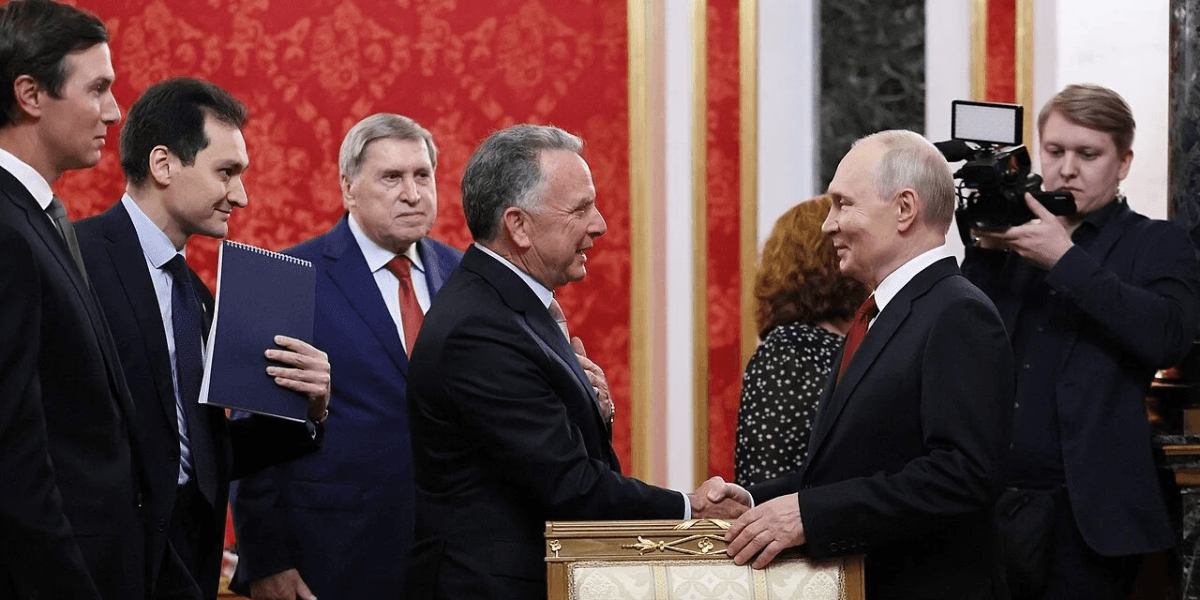
U.S. Envoy Meets Putin as Russia Releases American Prisoner and Ukraine Peace Talks Regain Momentum
President Donald Trump’s special envoy Steve Witkoff met Russian President Vladimir Putin in St. Petersburg on Wednesday, October 21, in another attempt to advance negotiations over Russia’s continuing war in Ukraine. The meeting followed diplomatic discussions in Oslo involving Ukrainian President Volodymyr Zelenskyy and European leaders, reflecting renewed efforts to establish a negotiating framework after repeated disagreements over potential settlement terms. The Kremlin said Putin had agreed to resume trilateral discussions involving Russia, Ukraine and the United States next month, although the governments remain divided over territorial questions and the conditions necessary for a lasting agreement.
The diplomatic visit coincided with Russia’s release of American citizen Stephen Hubbard, who had been imprisoned for more than four years after Russian authorities accused him of fighting alongside Ukrainian forces. Hubbard, a Michigan resident, received a sentence of nearly seven years in 2024, and the United States previously designated him as wrongfully detained. His release represented a concrete development amid otherwise uncertain negotiations. Separately, Zelenskyy said Ukraine had resumed receiving early warnings about Russian missile attacks following discussions with U.S. Secretary of State Marco Rubio. The warnings are critical to civilian alerts and military interception efforts. The immediate diplomatic test will be whether the proposed negotiations produce substantive agreements or simply another round of discussions without changes on the battlefield.
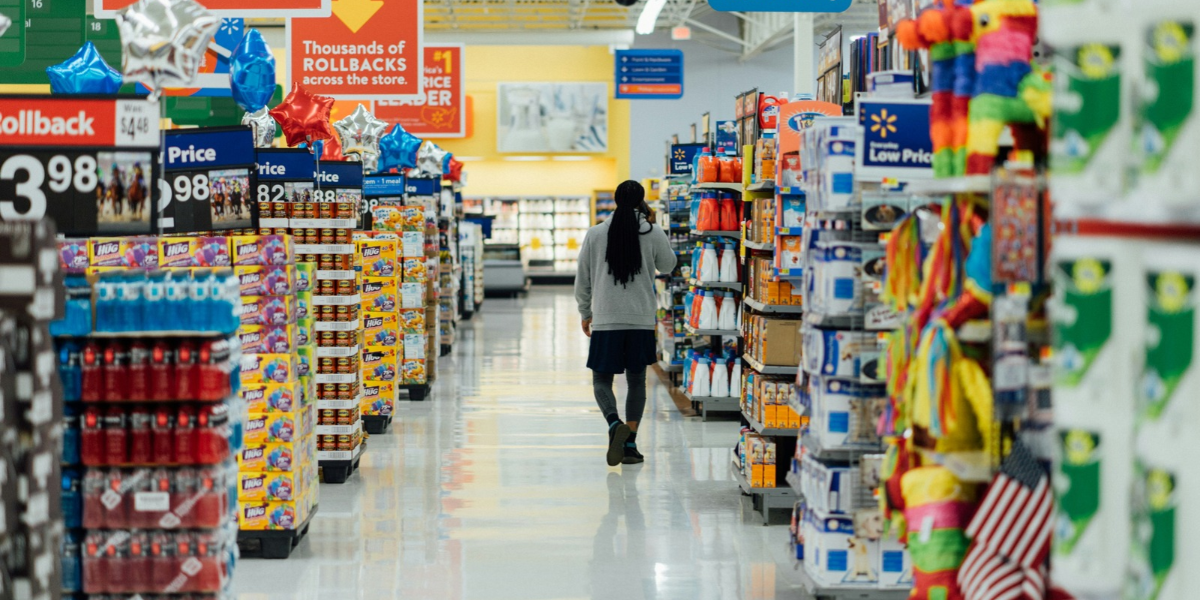
Inflation, Housing Costs and Slower Hiring Put the U.S. Economy at Center of Midterm Campaign
Economic conditions have become a defining issue ahead of the November 3 congressional elections, with new reporting highlighting a significant gap between the administration’s optimistic assessment and the financial pressures facing many households. President Trump has characterized the economy as entering a period of exceptional prosperity, while Vice President JD Vance has acknowledged continued frustration over gasoline prices and the pace of improvement. Their differing public messages reflect the challenge of presenting economic progress while consumers continue to encounter higher living costs, expensive financing and uncertainty about employment opportunities.
Recent economic figures illustrate the mixed picture. Annual inflation stands at approximately 3.7%, compared with 3% when Trump returned to office, while economic growth has remained near 2%. Unemployment is around 4.2%, although hiring has slowed. Borrowing costs remain elevated, with the 10-year Treasury yield near levels not seen since 2002, affecting mortgage rates, business investment and government financing. Higher energy costs associated with the Iran conflict and the effects of tariffs have added pressure to household budgets. At the same time, technology-driven stock market gains have increased financial wealth, though those benefits are unevenly distributed. The competing economic narratives are likely to intensify during the final campaign stretch, particularly as voters assess whether headline growth is translating into improvements in everyday affordability.
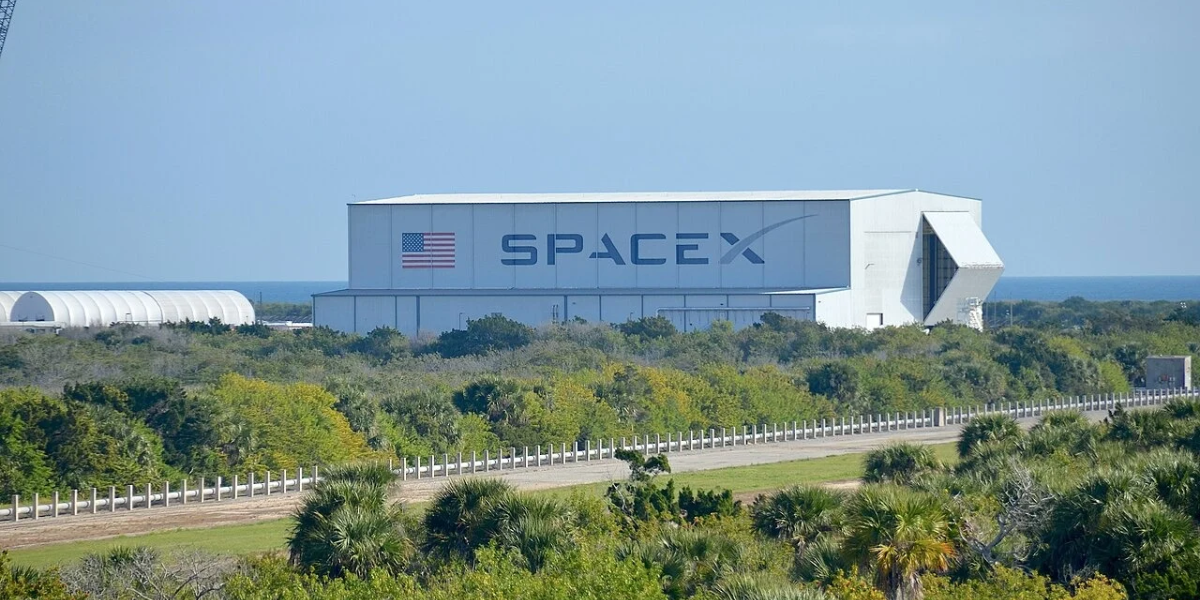
SpaceX and Tesla Explore Potential Merger as Corporate Earnings Drive Wall Street Trading
Wall Street opened Wednesday's trading session with mixed results as investors evaluated major corporate earnings and the possibility of a combination between two of Elon Musk's businesses. SpaceX shares climbed approximately 11.1% in early trading after the aerospace and technology company reported stronger-than-expected quarterly profits. Musk also disclosed that SpaceX had taken a preliminary step toward considering a merger with Tesla, the electric-vehicle manufacturer he also leads. Tesla shares advanced approximately 3.3% following the announcement. No definitive merger agreement, valuation or transaction timetable was announced, leaving major questions about the potential combination unresolved.
The broader market reflected competing signals from corporate America. Netflix shares declined approximately 4.2% after its revenue outlook disappointed investors, despite earnings exceeding expectations. AT&T fell roughly 5.6% following weaker-than-anticipated guidance, while Capital One Financial and Winnebago Industries gained after favorable earnings announcements. The S&P 500 was nearly unchanged during morning trading, the Dow Jones Industrial Average slipped approximately 0.1%, and the Nasdaq Composite advanced around 0.4%. Artificial intelligence remained an important market driver, with investors balancing demand for computing infrastructure against concerns about borrowing costs and capital expenditures. Tesla's quarterly results, scheduled for release after Wednesday's market close, could provide additional insight into the company's financial position and the implications of any future corporate restructuring.

France Moves to Contain Widespread Unrest as Economic Protests Become an International Political Issue
French authorities faced continuing pressure Wednesday following several days of unrest that began with demonstrations over living costs and escalated into rioting, property damage and looting in multiple locations. The French government acknowledged shortcomings in its response and announced plans to deploy additional troops as officials sought to restore public order. Curfews and heightened security measures were introduced in affected areas following weekend disturbances, underscoring the severity of the situation. The unrest has added to concerns about economic dissatisfaction and the capacity of European governments to manage public demonstrations that turn violent.
The events also entered the American political debate ahead of the November midterm elections. President Trump and several prominent Republicans attributed the disturbances to immigration and Muslim migrant communities, but Associated Press reporting found insufficient evidence to support those broad claims. The distinction between the documented origins of the protests, the identities of individual participants and political interpretations of the violence remains important as authorities investigate specific incidents. France's immediate challenge is to contain further disorder while addressing the economic grievances that contributed to the demonstrations. The international significance extends beyond French domestic politics, with European governments monitoring the possibility of similar unrest amid persistent cost-of-living pressures.

Iran Conflict and Elevated Oil Prices Add Pressure to Global Markets and U.S. Consumers
Energy prices remained a significant concern Wednesday as investors assessed the economic consequences of continuing tensions surrounding Iran and the broader Middle East. Benchmark U.S. oil prices traded near $109 per barrel during the morning, reflecting a market still sensitive to geopolitical developments and uncertainty over energy supplies. Higher crude prices have contributed to rising gasoline costs, complicating the inflation outlook and increasing transportation expenses for households and businesses. The consequences extend across the economy, affecting freight operations, airline costs, manufacturing and the prices consumers ultimately pay for goods.
The energy situation has also complicated the outlook for monetary policy. Inflation remains above the Federal Reserve's 2% target, while elevated Treasury yields have kept financing costs high for homeowners, corporations and the federal government. Investors are watching whether energy-driven price increases persist long enough to affect broader inflation expectations and future interest-rate decisions. International markets have responded unevenly: European equities advanced during Wednesday's trading, while South Korea's Kospi gained approximately 3.3% amid renewed demand for artificial intelligence-related shares. The contrasting movements illustrate how strong corporate earnings and enthusiasm for technology can support financial markets even as geopolitical risks and higher energy costs threaten economic growth.
Looking Ahead
Attention will turn to the next steps in U.S.-Russia diplomacy following Wednesday's meeting between Witkoff and Putin, particularly the Kremlin's proposal to resume trilateral negotiations next month. Any confirmation from Washington and Kyiv, along with details about potential ceasefire arrangements, territorial disputes or security guarantees, would help establish whether the latest diplomatic activity represents meaningful progress. Developments involving Iran and international energy markets will also remain important, especially if crude prices continue to influence U.S. inflation and consumer spending.
In the United States, Tesla's quarterly earnings announcement and any further disclosures about a possible SpaceX merger will be closely watched by investors. The final days before the November 3 midterm elections will bring additional attention to inflation, employment, household affordability and the administration's economic record. Meanwhile, French authorities will face another test of their security response as they seek to prevent renewed unrest and determine the longer-term political and economic consequences of the demonstrations.