Amiral Cruises For Presidents Centers Vietnam’s River Heritage in Luxury Boutique Hospitality Concept
Amiral Cruises For Presidents redefines Vietnam luxury cruising through culture, history, and purposeful boutique river sea experiences.
LuxGroup® Launches Amiral Cruises for Presidents® and Unveils US$38 Million Quiet Luxury Fleet Strategy
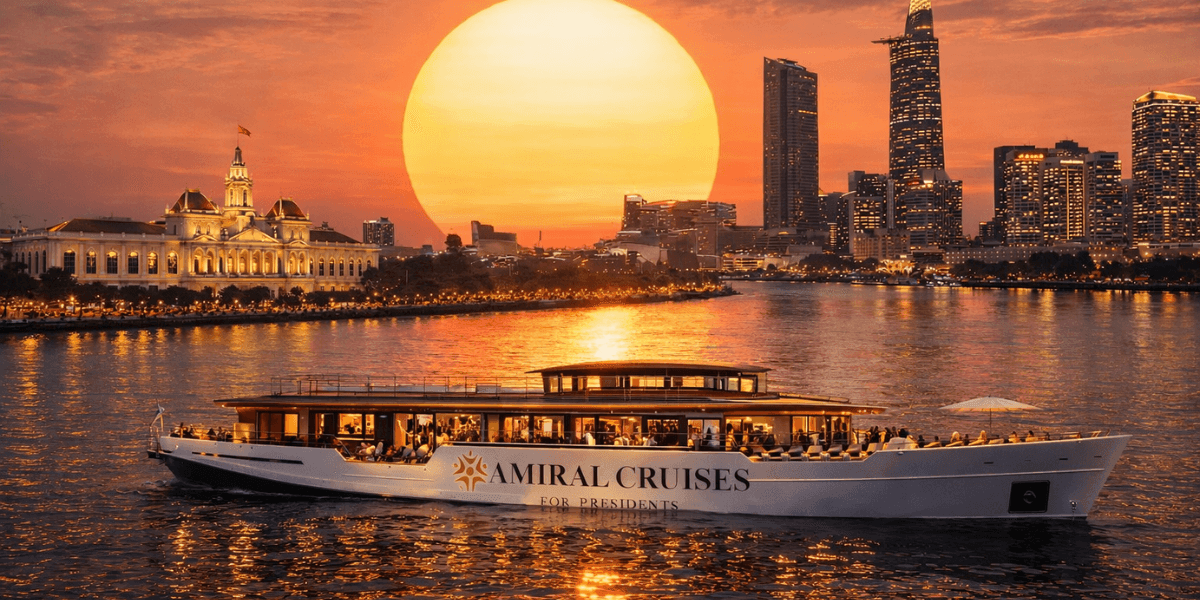
LuxGroup® announced the launch of Amiral Cruises for Presidents® on 5 June 2026, marking 115 years since the historic 1911 voyage of the Amiral Latouche-Tréville from Nhà Rồng Wharf.
Designed in refined 1920s Art Deco style, Amiral introduces a boutique river–sea luxury concept on the Saigon River, blending heritage storytelling, gastronomy, art, and state-level hospitality.
In parallel, LuxGroup® unveiled a US$38 million investment to develop Vietnam’s first luxury boutique river-sea cruise line of 10-vessel quiet luxury fleet operating across the Saigon River and Vietnam’s southern coastline. The strategy targets high-value travelers seeking intimate, culturally immersive, and sustainable experiences.
The expansion aligns with Vietnam’s ambition to welcome 25 million international visitors this year and 35 million by 2030.
“This is not expansion for scale,” said Dr. Phạm Hà, Founding President & CEO, LuxGroup®. “It is the happiness project of my life — delivering quality, culture, and shared prosperity on Vietnam’s waters. In 1985, as a ten-year-old boy sailing with my father on the Thống Nhất ship from Haiphong to Saigon, I felt the first spark of a dream without knowing its name. Standing at Nhà Rồng Wharf for the very first time, I sensed—instinctively yet incompletely—that rivers and oceans would one day shape the course of my life. Four decades later, that fleeting childhood moment has become the compass guiding the project closest to my heart.”
The initiative strengthens LuxGroup®’s leadership in experience-driven luxury cruising in Southeast Asia
Vietnam’s rivers have long served as arteries of commerce, culture, and memory. For Dr. Pham Ha, a Vietnamese entrepreneur in the luxury travel sector, waterways also represent continuity, a connection between history and modern identity.
When discussing the inspiration behind Amiral Cruises For Presidents, Dr. Ha often references a symbolic historical moment in 1911, when Nguyen Tat Thanh departed Saigon aboard the vessel Amiral Latouche Tréville. The departure marked the beginning of a journey that would later influence Vietnam’s national story. For Dr. Pham Ha, that maritime chapter reflects the broader idea that rivers are not only physical passages, but cultural ones.
Founded in 2005, LuxGroup began as a small travel enterprise and has since grown into a hospitality holding company operating across travel, cruise experiences, dining, and related sectors. Within its portfolio, Amiral Cruises For Presidents represents a boutique river–sea cruising concept that seeks to integrate heritage storytelling with contemporary hospitality.
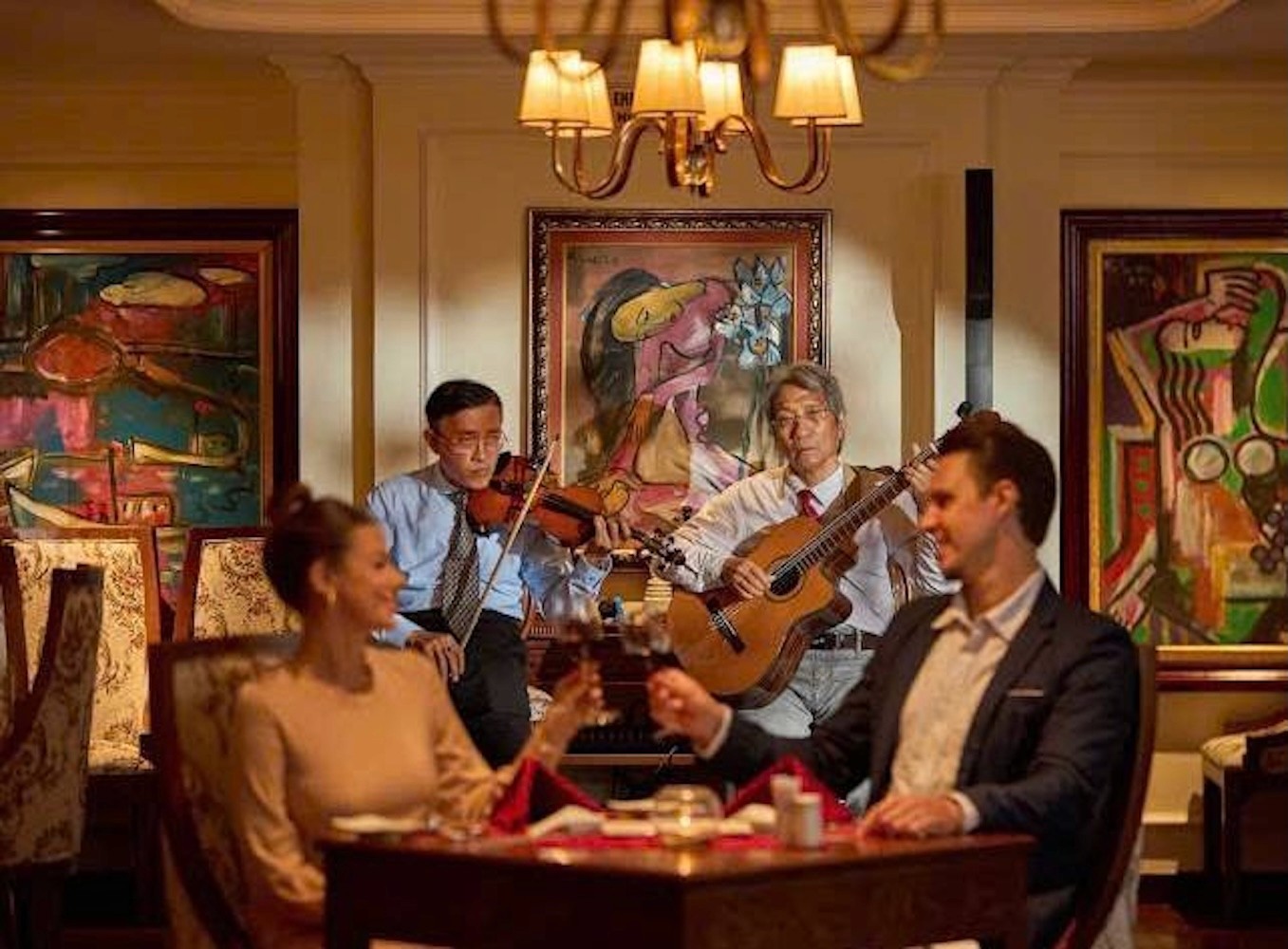
Unlike large-scale cruise operations that prioritize passenger volume, the concept centers on smaller-capacity vessels designed to provide curated cultur al programming. Cabin counts are intentionally limited, creating an environment that emphasizes space, privacy, and personalized service. According to company materials, the model is structured around three tiers: exploratory excursions, yacht-style urban river experiences, and boutique cruise sailings designed for formal hosting and cultural exchange.
This tiered structure reflects a broader philosophy within the organization that blends commercial growth with cultural positioning. Rather than focusing solely on leisure tourism, the cruise concept also accommodates diplomatic receptions, business delegations, and cultural showcases. The “For Presidents” designation refers to hosting standards and protocol readiness, rather than a political affiliation.
Central to the project is the idea of river–sea connectivity. Routes linking the Saigon River to coastal waters are designed to highlight Vietnam’s maritime geography, while curated shore programs incorporate local history, performing arts, and regional cuisine. Cultural elements are positioned not as entertainment add-ons, but as part of the narrative arc of each journey.
Environmental considerations also play a role in operational planning. Select itineraries include visits to ecologically significant areas such as the Can Gio Mangrove Biosphere Reserve, a UNESCO-designated site. Company representatives have stated commitments to reducing single-use plastics and aligning with longer-term sustainability targets. While such initiatives are increasingly common within the travel industry, their integration into river cruising reflects shifting consumer expectations around responsible tourism.
Over the past two decades, Vietnam’s luxury travel market has expanded alongside the country’s broader economic growth. Rising international arrivals prior to the pandemic, combined with renewed domestic interest in high-end experiences, have contributed to diversification within hospitality offerings. Boutique cruising remains a comparatively niche segment, but one that intersects with heritage tourism and experiential travel trends.
Industry observers note that smaller-capacity cruise formats allow for flexible programming and customized hosting opportunities. In Vietnam’s context, where rivers run through major urban centers and agricultural regions alike, waterways offer access to both metropolitan and rural narratives. This duality provides operators with the ability to present layered interpretations of place.
Within LuxGroup’s organizational culture, employees are referred to internally as “Luxers,” reflecting an emphasis on brand identity and team cohesion. The company has received industry recognitions over the years from regional travel and hospitality organizations, though its leadership frequently emphasizes long-term development over short-term accolades.
The broader Vietnam Waterways vision outlined by the company looks ahead to 2045, coinciding with national economic milestones. While such long-range planning remains aspirational, it underscores an effort to align private enterprise with national cultural representation. In this framework, river cruising is positioned not simply as a tourism product, but as a platform for storytelling.
As global travelers increasingly seek experiences rooted in authenticity and place-based narratives, hospitality models that combine heritage interpretation with contemporary comfort continue to gain attention. Vietnam’s river systems, historically central to trade and community life, offer a natural foundation for such approaches.
Amiral Cruises For Presidents operates within this evolving landscape, blending boutique scale with structured cultural programming. Its development reflects a broader shift in Southeast Asian tourism toward experiences that emphasize identity, sustainability considerations, and curated engagement over mass-market volume.
In a competitive regional cruise market that includes large international operators, smaller domestic brands often differentiate themselves through narrative focus and localized partnerships. Whether through culinary showcases, historical references, or ecological itineraries, the integration of culture into travel design has become a defining feature of emerging hospitality ventures.
For Dr. Pham Ha, the guiding principle remains rooted in memory, not only of a historical voyage from Saigon more than a century ago, but of the enduring role rivers play in shaping national consciousness. In translating that symbolism into a contemporary cruise concept, the project seeks to position Vietnam’s waterways as living corridors of heritage rather than passive backdrops for tourism.
As luxury boutique cruising continues to evolve, such models illustrate how maritime history and modern hospitality can intersect within a framework that prioritizes narrative, scale, and cultural context.
Additional background regarding the organization and its related hospitality initiatives is available at: