Beauty Without Growing Up Too Fast: A New Approach to Youth Self-Care
Parents are seeking trusted guidance that helps children explore beauty through confidence, education, and healthy self expression instead of pressure.
Parents today face a challenge that previous generations rarely encountered. Children and teenagers are discovering skincare routines, makeup tutorials, hair trends, and beauty influencers years before many families expect those conversations to begin. While curiosity about personal style is a natural part of growing up, the speed and reach of digital beauty culture have left many parents wondering how to encourage self expression without encouraging children to grow up too quickly.
That question reflects a broader shift taking place across the beauty industry. Increasingly, experts are distinguishing between beauty pressure and beauty education. One emphasizes appearance and comparison. The other focuses on healthy habits, informed choices, and confidence rooted in self respect. For amany families, that distinction is becoming more important as children encounter beauty content at younger ages.
Organizations such as the American Academy of Pediatrics have emphasized the importance of fostering healthy self esteem through supportive relationships and positive identity development, while researchers continue to examine the influence that media and appearance focused messaging can have on young people. Rather than shielding children from every beauty trend, many parents are searching for trusted professionals who can help put those trends into healthy perspective.
A Missing Space for Growing Families
Despite the growing interest in youth beauty education, families often find themselves navigating a gap within the beauty industry itself. Children's salons typically cater to younger clients seeking simple haircuts or playful experiences, while traditional salons are largely designed with adult customers in mind. Tweens and teenagers frequently occupy the space between those two worlds.
As young people begin exploring hairstyles, skincare, grooming, and personal style, parents often want environments that recognize both their growing independence and their ongoing developmental needs. That includes guidance on healthy hair and scalp care, simple skincare routines, personal hygiene, product literacy, and respectful self expression, all delivered in ways that are appropriate for their age.
For Christina Edwards, that gap became increasingly difficult to ignore.
Beauty Education Before Beauty Pressure
Edwards brings together more than 25 years of beauty industry experience, including 23 years as a licensed cosmetologist, along with roles as a cosmetology professor, former salon owner, educator, mentor, entrepreneur, and mother. Through those experiences, she observed that many young people were interested in beauty, yet families often lacked spaces specifically designed to help them learn in healthy, age appropriate ways.
Rather than viewing beauty as something to postpone entirely or embrace without guidance, Edwards believes education should come first.
"Young people do not need beauty pressure. They need trusted guidance, room for self expression, and adults who understand their stage of development."
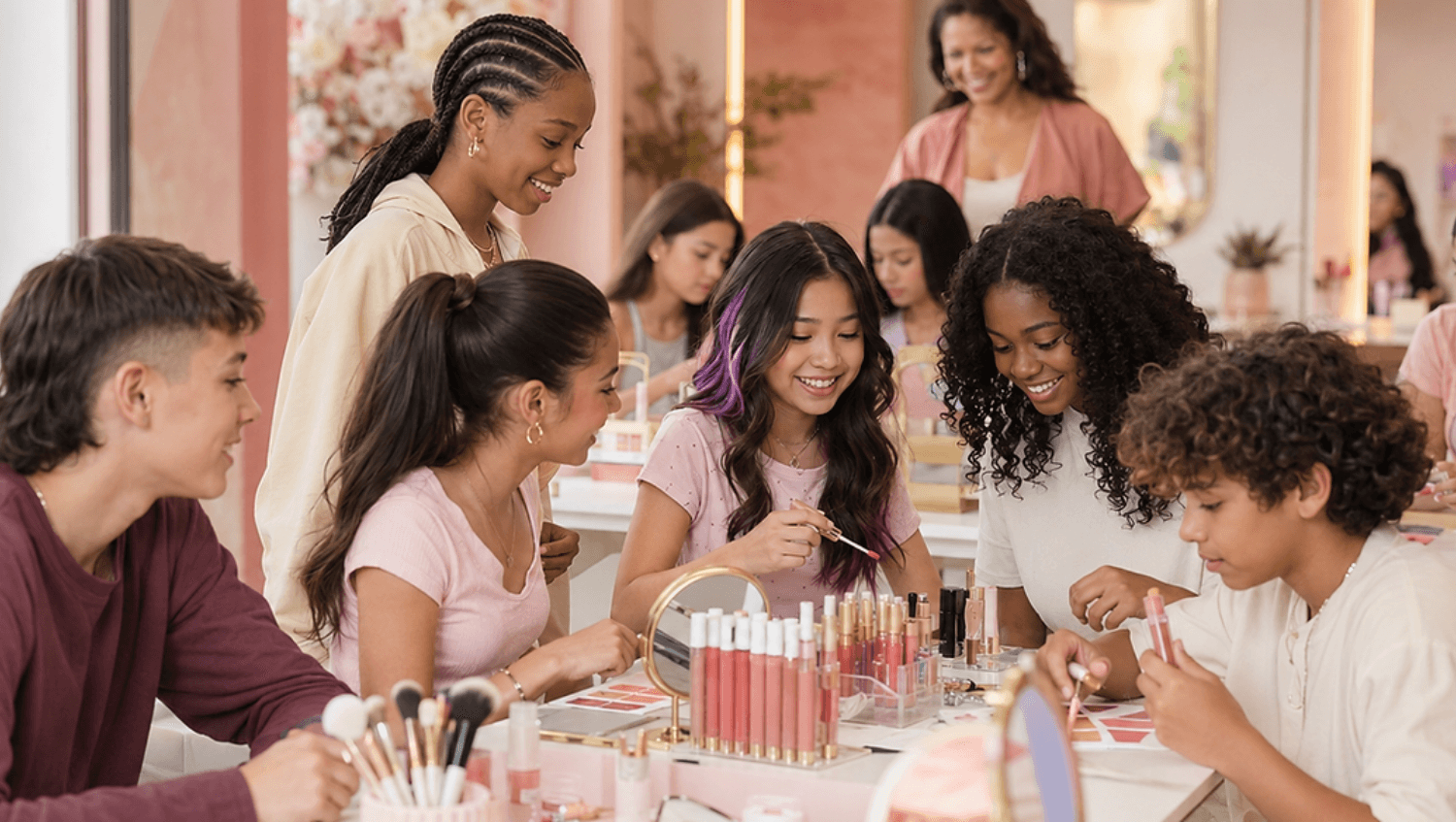
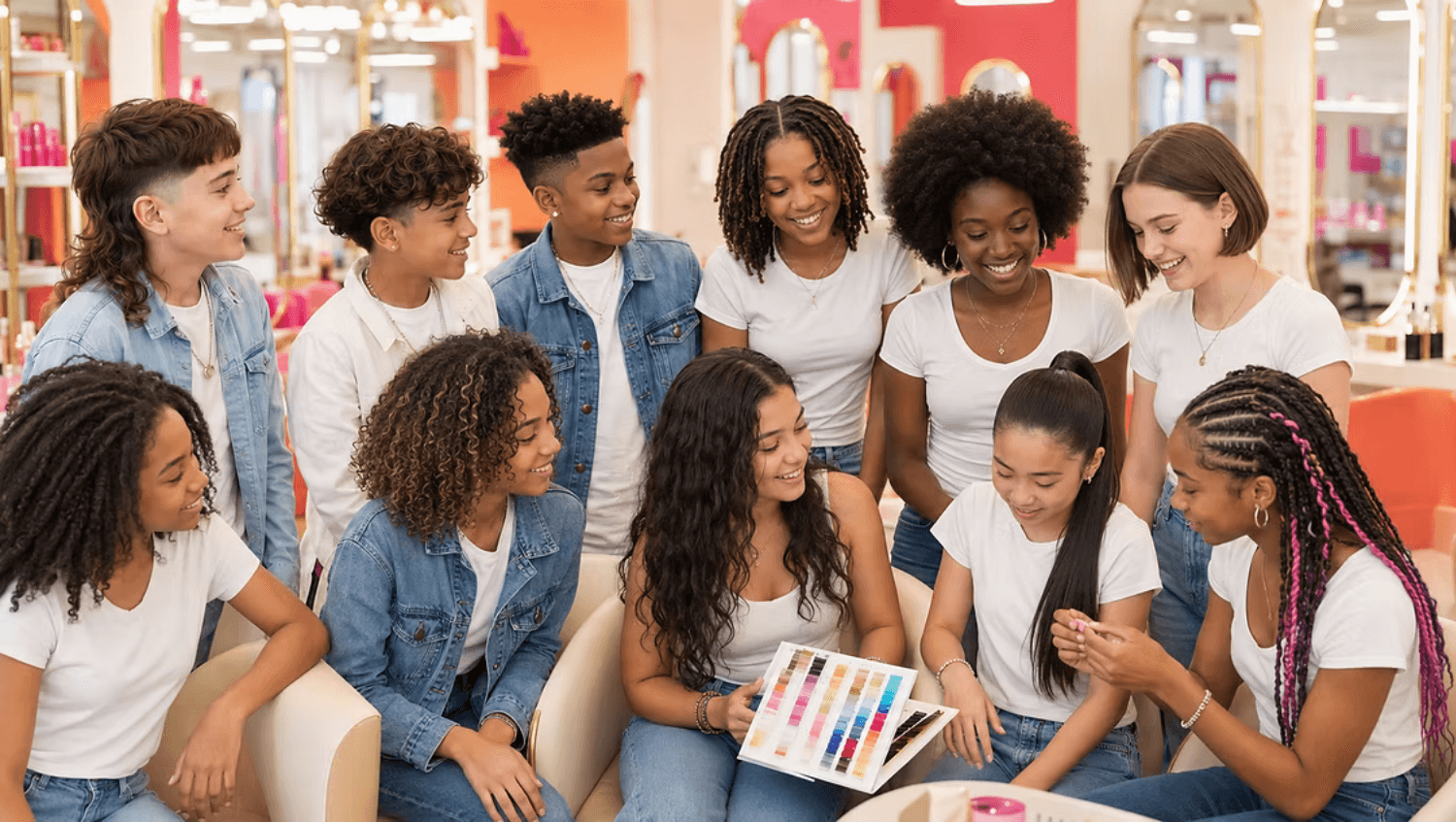
That philosophy forms the foundation of Generation Glow, a youth centered concept currently in development for children, tweens, and teens between the ages of 8 and 18. Instead of presenting beauty as a way to look older, the concept encourages practical learning, confidence, and self care while recognizing the different developmental stages young people experience.
"Age appropriate beauty education is not about making children look older. It is about helping them care for themselves, make informed choices, and feel comfortable in their own skin."
Building Confidence Through Knowledge
Beauty education can extend well beyond hairstyles or skincare products. Professionals working with young people increasingly point to everyday skills that support long term wellbeing, including understanding hair textures, scalp health, skin care basics, grooming routines, responsible product use, and respectful conversations about changing bodies and personal identity.
These lessons also create opportunities to teach media literacy by helping young people recognize that beauty trends do not define personal worth.
Generation Glow's approach reflects that broader educational philosophy. Rather than adapting an adult salon for younger clients, the concept is being designed specifically around the interests, safety needs, developmental stages, and diverse backgrounds of children and teenagers. Community input from parents is helping shape the concept as it continues to develop.
Creating Places Where Everyone Belongs
Another important aspect of youth beauty education is representation. Children benefit from seeing different hair textures, skin tones, cultural backgrounds, and personal styles treated with equal respect and care.
"When every hair texture, skin tone, and personal style is treated as normal and worthy of care, beauty becomes a source of belonging instead of comparison."
Inclusive environments can help young people view beauty as a form of personal expression rather than a standard they must achieve. That perspective can be especially meaningful during adolescence, when identity and self confidence continue to develop.
Parents increasingly seek environments where their children feel welcomed, understood, and supported rather than judged against unrealistic ideals.
A Broader Conversation About Growing Up
The growing popularity of beauty content among younger audiences is unlikely to disappear. Instead, many experts believe the conversation should shift toward helping children engage with beauty thoughtfully, responsibly, and with appropriate guidance.
Generation Glow represents one community informed response to that changing landscape. Rather than focusing primarily on services or trends, the concept encourages families to think differently about what beauty can mean during childhood and adolescence. In this view, beauty becomes less about appearance and more about confidence, healthy habits, education, creativity, and belonging.
For parents navigating an increasingly complex beauty culture, that may be the conversation that matters most.
Learn More About Generation Glow
Families interested in learning more about Generation Glow's youth centered approach to beauty education can visit Generation Glow and Christina Edwards on LinkedIn