
Courts, Campaign Maps, and Economic Crosswinds Shape a Contentious American Week
The United States closed the week amid a convergence of political, legal, and economic battles that are likely to define the remainder of 2026. Redistricting fights intensified across multiple states following major court rulings, while the Supreme Court’s recent decisions continued to reshape debates over executive power and voting rights. At the same time, the economy showed resilience despite lingering uncertainty surrounding tariffs, trade policy, and energy prices linked to tensions abroad.
Supreme Court Decisions Continue to Reshape National Politics
The Supreme Court remained at the center of national attention this week as the fallout continued from several major rulings issued during the Court’s 2025–26 term. Among the most consequential was the Court’s recent decision in Louisiana v. Callais, which significantly weakened key protections under the Voting Rights Act. Civil rights leaders and voting advocates warned that the ruling could accelerate efforts in several states to redraw congressional maps in ways that dilute minority voting power.
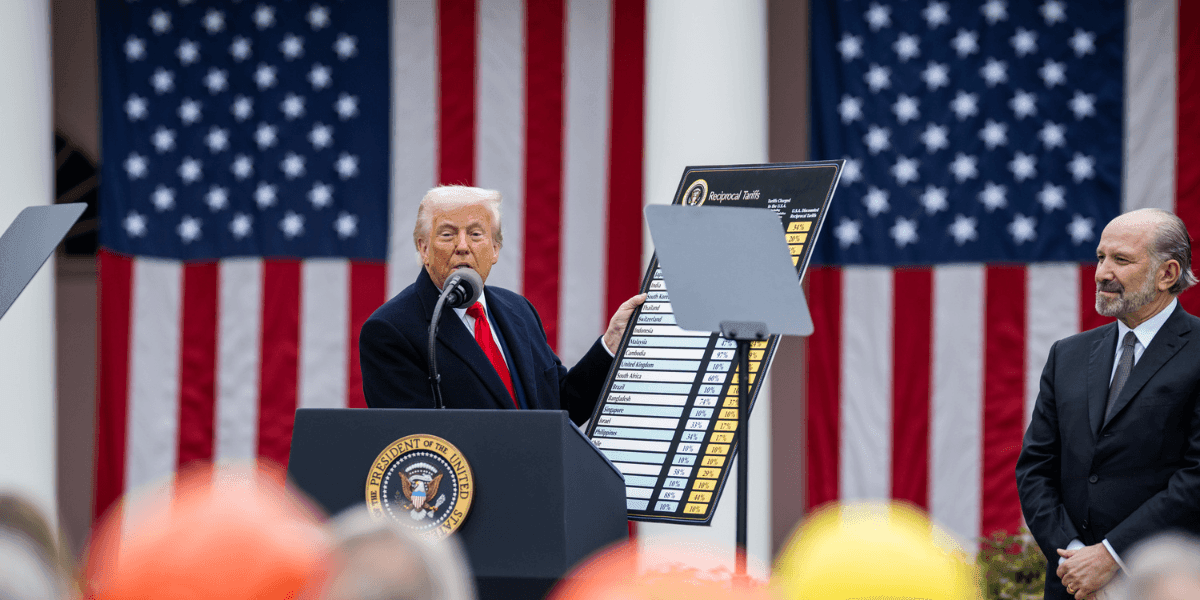
The Court is also continuing to confront major questions surrounding presidential authority. Earlier this year, the justices ruled that sweeping global tariffs imposed under emergency powers exceeded presidential authority, forcing the administration to reconsider elements of its trade agenda. Legal scholars have described the ruling as one of the most significant modern checks on executive economic power.
With dozens of additional lawsuits involving executive authority, immigration, trade, and federal agency power moving through lower courts, analysts expect the Supreme Court’s upcoming docket to remain deeply tied to disputes surrounding the Trump administration.
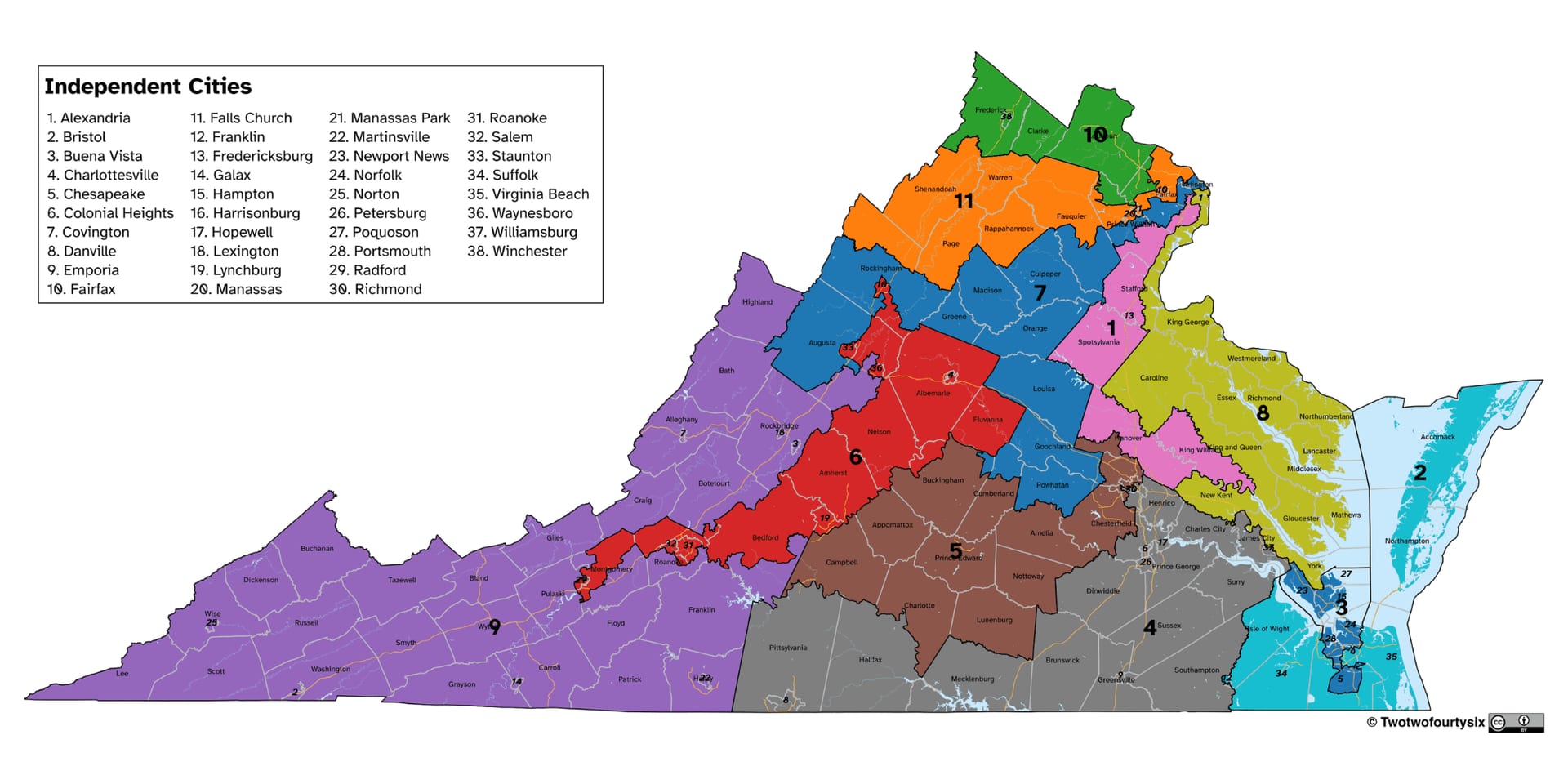
Map of the congressional districts of Virginia which are proposed by the Virginia General Assembly as part of the 2026 Virginia Redistricting Amendment, complemented with water areas, counties & independent cities, and primary roads. If approved in the referendum, these congressional districts will be put into effect from 2027 to 2033, following the 2026 US House elections.
Photo Credit: Twotwofourtysix/Wikimedia
Redistricting Battles Intensify Ahead of the Midterms
Political tensions escalated sharply after a series of redistricting victories for Republicans in several states. The Virginia Supreme Court struck down a Democratic-backed congressional map, dealing a significant setback to Democratic hopes of reclaiming the House of Representatives in 2026. Republicans celebrated the ruling as part of a broader trend favoring GOP-led map redraws across the South.
Former President Donald Trump and his political advisers have increasingly pushed for mid-decade redistricting efforts in states including South Carolina, Alabama, Tennessee, and Louisiana. The effort follows the Supreme Court’s weakening of federal voting protections and reflects growing recognition that redistricting battles are no longer confined to post-census years.
Democrats now face a steeper electoral path heading into the midterms, with analysts estimating that Republican-friendly maps could yield several additional GOP House seats. Party leaders have responded by intensifying legal challenges and emphasizing the importance of winning state-level races that influence future district boundaries.

Photo Credit: Sven Piper/Unsplash
Economic Growth Persists Despite Trade and Energy Uncertainty
Economic data released this week painted a mixed but relatively stable picture of the U.S. economy. Hiring remained steady, unemployment held near historically moderate levels, and first-quarter growth continued to outpace many other advanced economies.
Still, uncertainty surrounding trade policy continues to weigh heavily on businesses and investors. Courts have now invalidated portions of the administration’s tariff regime, creating confusion over future trade rules and raising broader questions about the balance of power between Congress and the presidency on economic policy.
Meanwhile, energy prices remain elevated amid continued instability linked to tensions involving Iran and maritime security operations near the Strait of Hormuz. Rising fuel costs have increased pressure on transportation, agriculture, and manufacturing sectors, even as some domestic industries continue to benefit from protectionist trade measures.
Attention is also turning toward the Federal Reserve, where policymakers face growing pressure to balance inflation concerns against slowing momentum in parts of the economy.
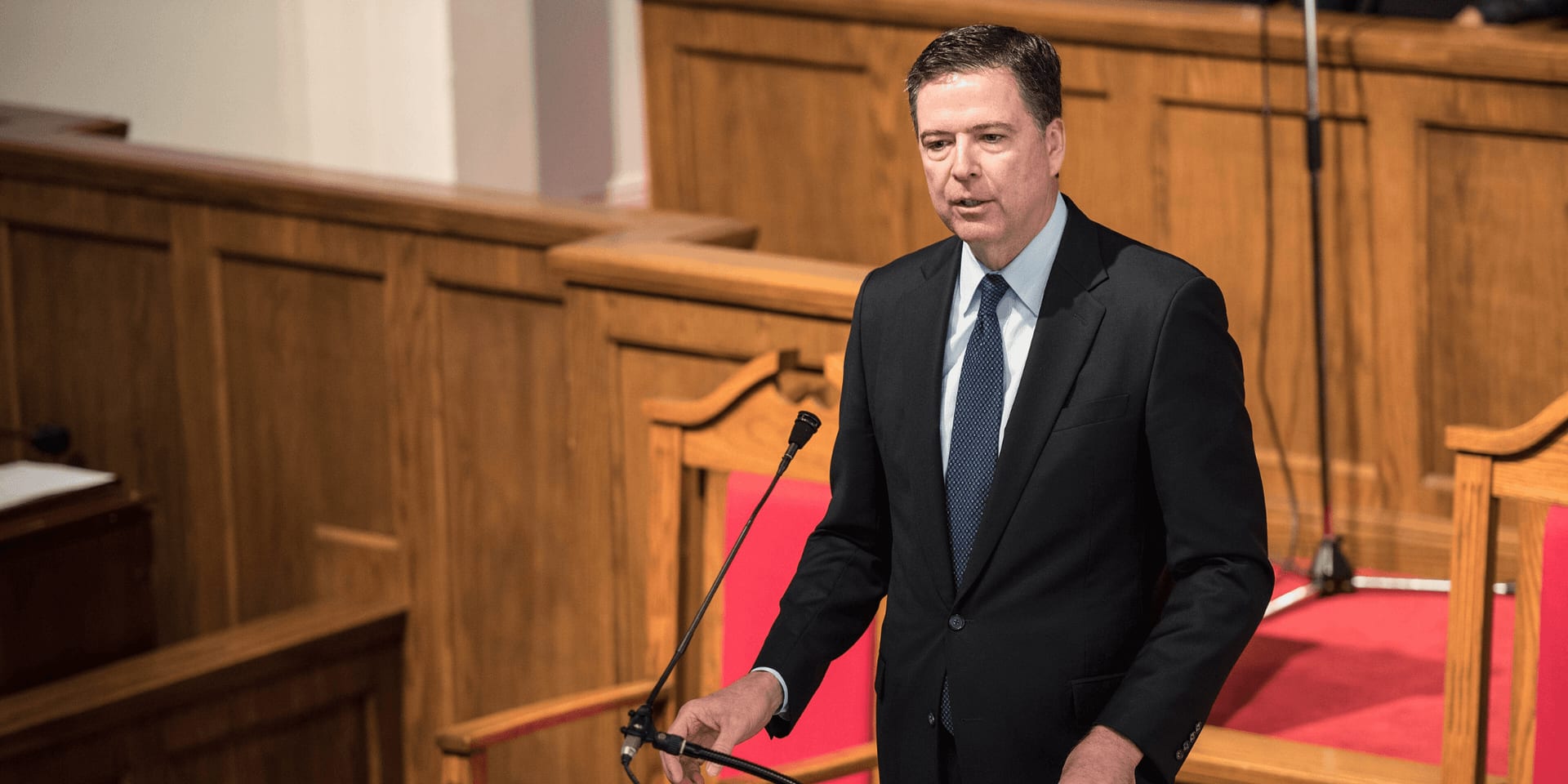
FBI Director James B. Comey
Photo Credit: Federal Bureau of Investigation (FBI)/Wikimedia
Justice Department Faces Internal Turmoil
The Justice Department confronted mounting scrutiny this week following reports of internal upheaval tied to politically sensitive prosecutions involving former FBI Director James Comey. According to multiple reports, several federal prosecutors have resigned, been reassigned, or expressed concerns about what critics describe as politically motivated legal actions.
The controversy has fueled renewed debate over the independence of federal law enforcement institutions and the broader politicization of the justice system. Legal experts and former DOJ officials warned that ongoing disputes could weaken public trust in federal prosecutions and disrupt ongoing national security investigations.
The administration has defended its actions as part of a broader effort to address what it views as prior political bias within federal agencies. However, critics argue the disputes risk undermining long-standing norms designed to insulate criminal investigations from political influence.
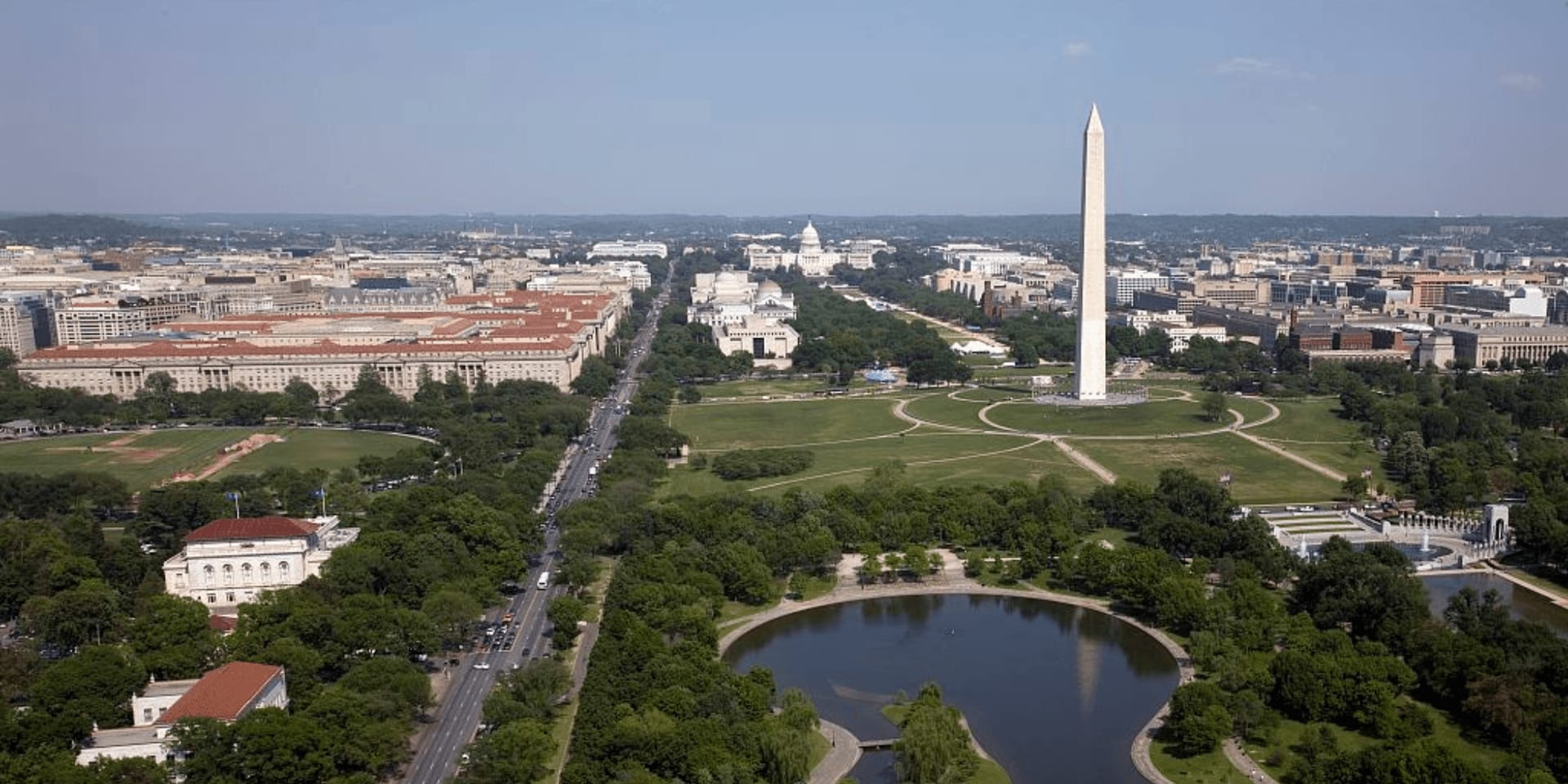
Aerial view of the National Mall, Washington, D.C.
Photo Credit: Carol M. Highsmith/Wikimedia
Trump Expands Push to Leave a Physical Mark on Washington
President Trump also drew national attention this week for a series of controversial initiatives involving federal properties and public spaces in Washington, D.C. Proposed projects include major renovations to public landmarks, redesigns of historic buildings, and expanded development plans tied to federal facilities.
Supporters argue the projects reflect an effort to modernize the capital and reinforce national identity ahead of America’s 250th anniversary celebrations. Critics, including local officials and preservation advocates, contend the administration is bypassing traditional planning processes and exerting excessive federal control over the city’s public spaces.
The debate has become symbolic of broader national divisions over executive authority, federal power, and political legacy-building during a highly polarized period in American politics.
Looking Ahead
The coming weeks are expected to bring additional court rulings on voting rights, executive authority, and redistricting disputes that could further shape the political environment heading into the 2026 midterms. Economic attention will remain focused on inflation, trade policy adjustments, and energy prices as markets assess the long-term impact of recent legal decisions.
Meanwhile, both parties are increasingly shifting resources toward state-level battles that may determine control of Congress in the years ahead. With legal institutions, electoral maps, and economic policy all under intense scrutiny, the nation appears headed toward an unusually consequential summer in American politics.