Fault Lines and Federal Power: Inflation, Immigration, and Washington’s Expanding Reach
America’s political and economic debates intensified as rising inflation, immigration enforcement, and disputes over federal authority dominated the national landscape. New economic data highlighted persistent price pressures even as consumer confidence showed modest improvement, while battles over immigration policy and federal funding underscored deep divisions between Washington and state and local governments. Together, these developments reflected a nation grappling with questions of economic stability, governance, and the scope of federal power.

By
Jun 12, 2026

Inflation Reaches a Three-Year High
Economic concerns remained at the forefront after new federal data showed inflation accelerating to 4.2% annually in May, the highest level recorded since 2023. The increase was driven largely by rising energy prices, which accounted for the majority of the monthly jump in consumer costs. Core inflation, which excludes food and energy, remained lower at 2.9%, suggesting that much of the pressure continues to come from fuel and related costs.
The inflation report intensified debate over the Federal Reserve’s next steps. Financial markets increasingly shifted away from expectations of near-term rate cuts, while economists warned that prolonged geopolitical disruptions in energy markets could continue to place pressure on household budgets and business costs.

Photo Credit: Cam Ballard/Unsplash
Consumer Confidence Shows Signs of Improvement Despite Economic Pressures
Even as inflation accelerated, there were indications that Americans felt somewhat more optimistic than in previous months. The University of Michigan’s consumer sentiment index rose for the first time in five months, helped by a recent decline in gasoline prices. Lower-income households appeared to benefit most from the easing fuel costs.
Analysts cautioned that the improvement remains fragile. Consumer confidence continues to sit at historically weak levels, and many economists believe future sentiment will depend heavily on whether energy prices stabilize and inflation begins to moderate. With consumer spending still serving as a major driver of economic growth, policymakers are watching closely for signs of either resilience or weakening demand.
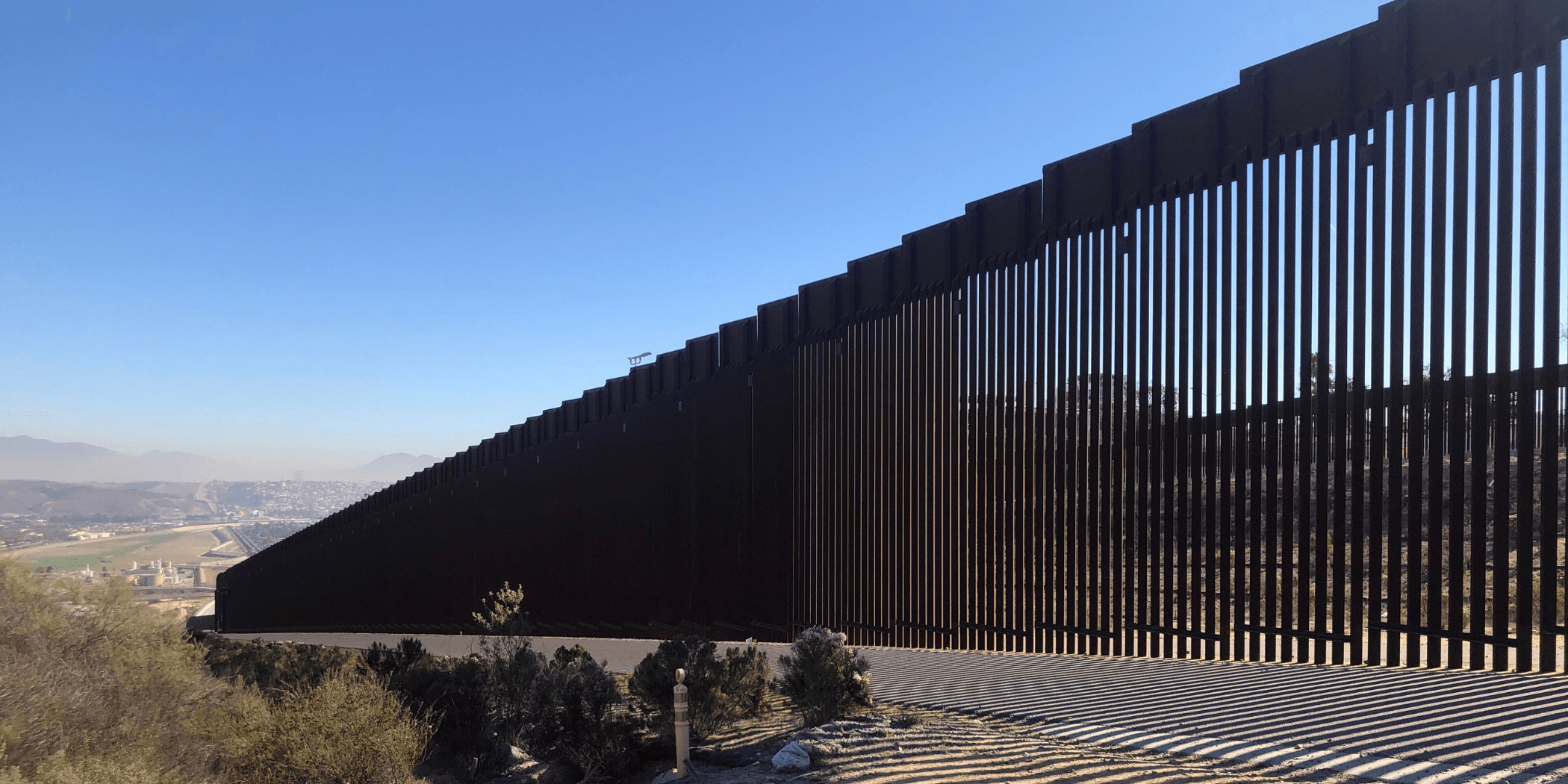
This is the wall at the U.S - Mexico Border in San Diego.
Photo Credit: Amyyfory/Wikimedia (Cropped)
Immigration Enforcement Expansion Remains a Central National Issue
Immigration policy continued to dominate national politics following implementation of a major federal funding package aimed at expanding border security and immigration enforcement operations. The legislation provides tens of billions of dollars for Immigration and Customs Enforcement, Customs and Border Protection, detention capacity, personnel, and enforcement technology through the remainder of President Donald Trump’s second term.
Supporters argue the measure strengthens border security and enhances federal enforcement capabilities. Critics, meanwhile, contend that the package lacks sufficient oversight provisions and raises concerns about detention conditions, civil liberties, and the treatment of immigrant communities. The legislation underscores the continuing partisan divide over immigration policy and is expected to remain a major focus of congressional and legal scrutiny.
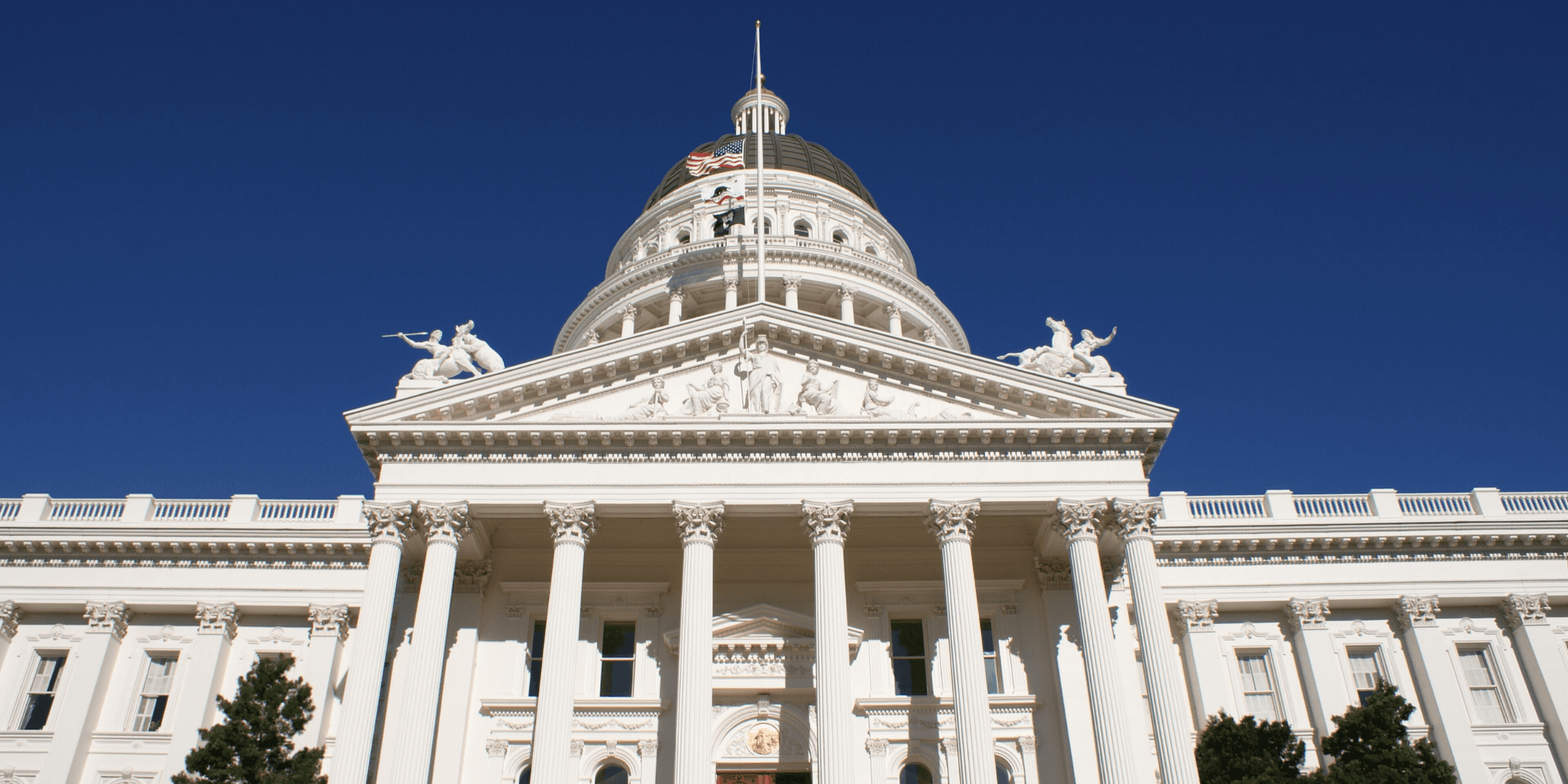
The California Capitol in Downtown Sacramento, California.
Photo Credit: Tszeiler1/Wikimedia (Cropped)
Federal-State Tensions Persist Over Immigration Actions
Questions surrounding immigration enforcement also continued to reverberate at the state and local level. Ongoing political and legal disputes tied to federal immigration operations in California remained a prominent backdrop to national discussions about executive authority and state sovereignty. Previous enforcement actions and deployments of federal resources have fueled continuing debate about the proper balance between federal immigration powers and state governance.
The issue has become emblematic of broader disagreements between the Trump administration and Democratic-led states, with both sides framing the conflict as a test of constitutional principles and public safety priorities. The outcome of these disputes could have implications far beyond California as courts continue to evaluate the scope of federal authority.
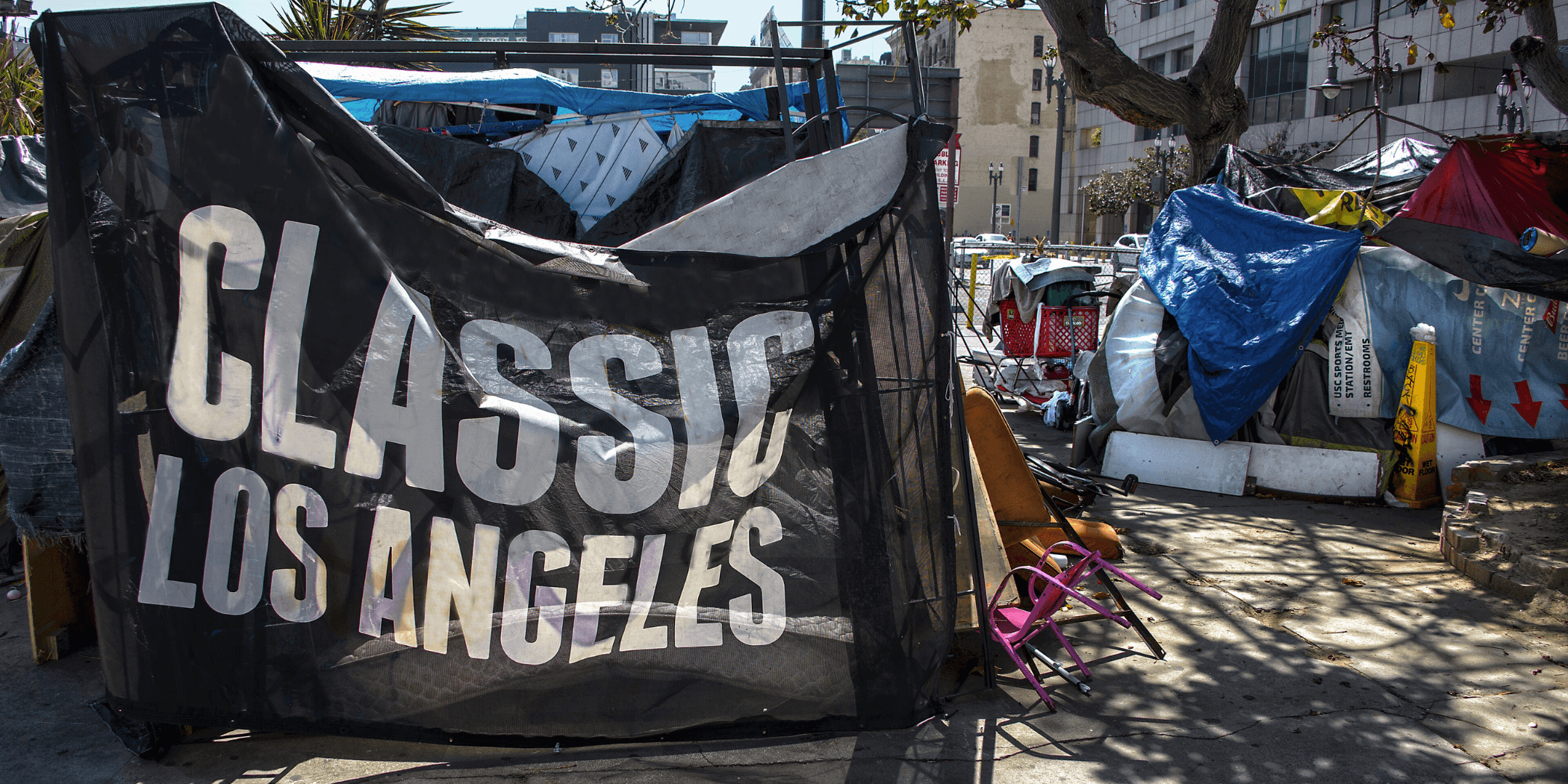
One of many homeless encampments in Skid Row, downtown Los Angeles
Photo Credit: Russ Allison Loar/Wikimedia (Cropped)
Federal Funding Battle Highlights Political Divisions
Another significant development came from Los Angeles, where the Trump administration suspended federal funding to the Los Angeles Homeless Services Authority. Federal officials cited concerns about oversight and management of taxpayer funds, while local leaders strongly disputed the allegations and characterized the move as politically motivated.
The dispute reflects a broader pattern of conflict between federal officials and Democratic-led jurisdictions over housing, homelessness, and social-service programs. Because federal funding plays a meaningful role in homelessness initiatives, local officials warned that the decision could affect ongoing efforts to reduce homelessness and expand housing stability programs.
Looking Ahead
The coming days will bring continued attention to inflation trends, Federal Reserve policy expectations, and the economic effects of energy-market volatility. Immigration enforcement and federal-state legal battles are also likely to remain prominent as courts, lawmakers, and advocacy groups challenge or defend recent actions.
With the Supreme Court approaching the end of its term and policymakers confronting a mix of economic and political pressures, the issues defining June 12 are likely to shape national debate well into the summer.