Fault Lines and Flashpoints: Courts, Conflict, and Markets Shape America’s Day
The United States is confronting a mix of international tension, economic resilience, and mounting political battles at home. Developments overseas in the escalating confrontation with Iran continued to ripple through Washington and global markets, while domestic legal rulings on tariffs and congressional maps underscored the increasingly central role of the courts in shaping national policy. At the same time, investors reacted positively to stronger-than-expected labor data, sending stock indexes higher despite broader geopolitical uncertainty.

U.S.-Iran Tensions Persist Despite Ceasefire Claims
The most consequential international development remained the fragile standoff between the United States and Iran in and around the Strait of Hormuz. After military exchanges earlier in the week, U.S. officials maintained that a ceasefire framework remained in place, even as both sides accused the other of provoking renewed clashes. President Donald Trump characterized the confrontation as limited in scope and insisted negotiations toward a broader agreement were still possible.
The incident has intensified scrutiny of the administration’s military posture in the Persian Gulf, particularly following the launch and subsequent pause of “Operation Project Freedom,” the naval mission intended to secure shipping routes through the Strait of Hormuz. Analysts warned that continued instability in the region could disrupt energy markets and place additional pressure on inflation and global supply chains.

Civic Center, Manhattan, NYC
Photo Credit: Ajay Suresh/Wikimedia
Trade Court Strikes Down Trump Global Tariffs
In a major legal setback for the administration’s trade agenda, the U.S. Court of International Trade ruled that the administration’s 10% global tariff policy exceeded presidential authority and was therefore unlawful. The decision immediately sparked political and economic debate, as businesses and trade groups weighed the implications for imports, manufacturing, and consumer prices.
The ruling arrives at a politically sensitive moment, with the administration simultaneously balancing foreign policy pressures abroad and concerns about inflation at home. Supporters of the tariffs argued they were necessary to protect domestic industries and counter foreign trade imbalances, while critics said the measures increased costs for consumers and complicated relationships with allies. The White House is expected to appeal the decision, setting up another high-profile legal fight likely to reach higher federal courts.

Photo Credit: Bumgeun Nick Suh/Unsplash
Strong Jobs Data Sends Markets to Record Highs
Despite geopolitical uncertainty, Wall Street ended the week on a strong note after new labor market data showed the U.S. economy continuing to add jobs at a steady pace. Employers added approximately 115,000 jobs in April while the unemployment rate held at 4.3%, easing fears of a sharper economic slowdown.
The report fueled a rally in major indexes, particularly among technology and semiconductor companies. Investors interpreted the data as evidence that economic growth remains durable even amid higher geopolitical risks and ongoing trade disputes. Chipmakers led much of the rally, with enthusiasm surrounding artificial intelligence investments continuing to drive gains across the technology sector.
Still, economists cautioned that several warning signs remain. Rising oil prices linked to Middle East instability, slower consumer spending growth, and uncertainty surrounding trade policy could complicate the Federal Reserve’s path in the months ahead. Even so, the United States continues to outperform many other advanced economies in overall growth during 2026.

Virginia State Capitol
Photo Credit: APK/Wikimedia
Virginia Redistricting Ruling Reshapes Midterm Landscape
A major political battle over congressional maps intensified Friday after the Virginia Supreme Court struck down a recently approved congressional redistricting plan. The ruling is widely viewed as a victory for Republicans ahead of the 2026 midterm elections and adds further volatility to an already contentious national fight over voting districts and electoral control.
The decision follows broader national disputes over redistricting after recent federal court rulings weakened portions of the Voting Rights Act. Political strategists from both parties are now reassessing the balance of power in several battleground states, with lawsuits and map challenges continuing across the country. The Virginia case in particular may influence how courts evaluate future claims involving partisan gerrymandering and procedural fairness.
The ruling also reinforced a larger trend dominating American politics in 2026: increasingly consequential decisions are being resolved through courts rather than legislatures, further deepening partisan tensions surrounding election law and democratic representation.
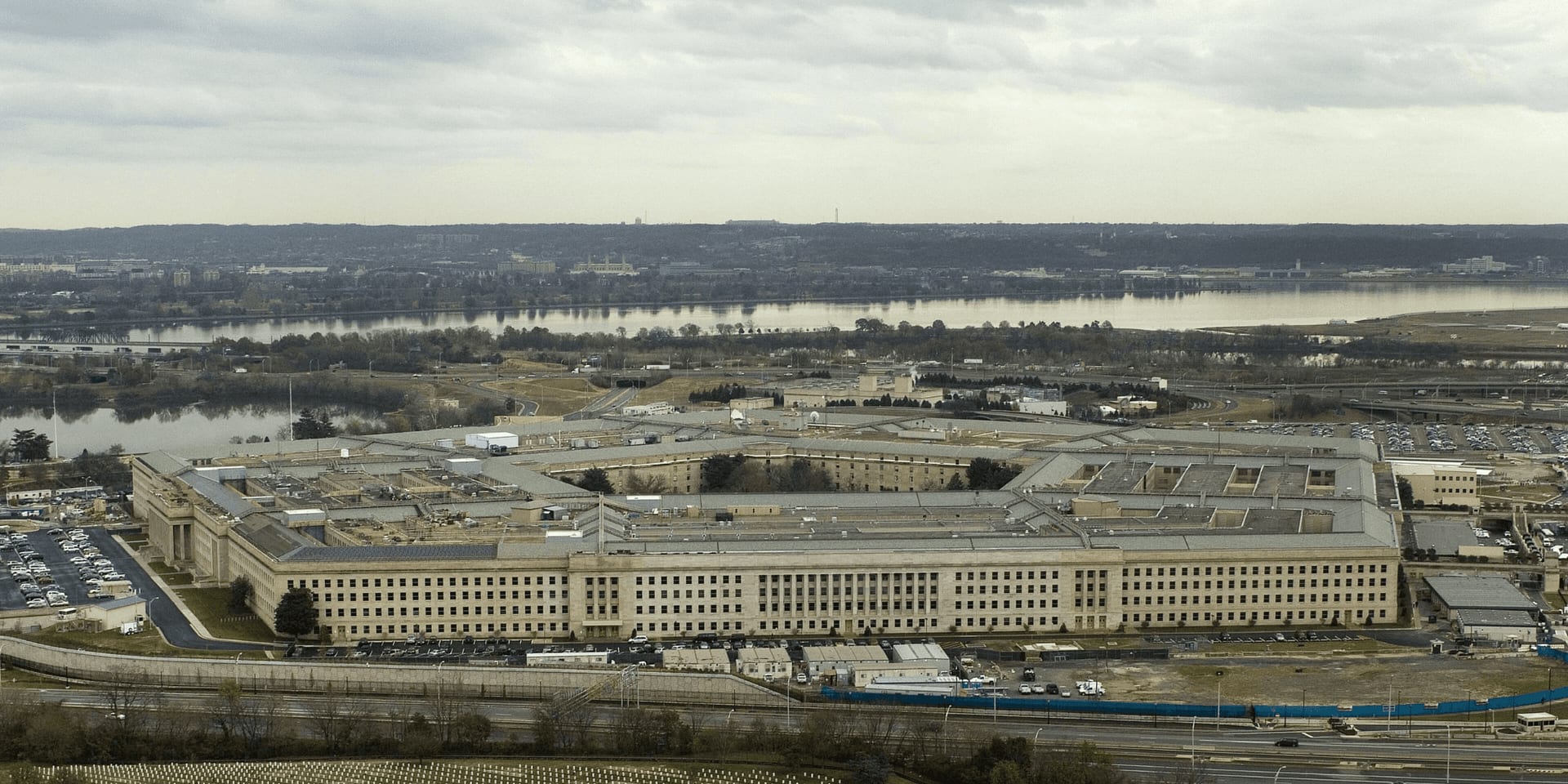
Aerial view of the headquarters of the United States Department of Defense (The Pentagon) located between the Potomac River and Arlington National Cemetery. Section 69 of the cemetery is visible at bottom.
Photo Credit: U.S. Navy photo by Chief Photographer's Mate Johnny Bivera/Wikimedia
Pentagon Releases New UFO Files to the Public
In one of the day’s more unusual but heavily discussed announcements, the Pentagon released a new collection of declassified files related to unidentified anomalous phenomena, commonly referred to as UFOs or UAPs. The documents and videos were made public through a newly launched government archive intended to increase transparency surrounding military encounters with unexplained aerial sightings.
While the release generated widespread public interest online, defense analysts and researchers said the materials largely contained previously known information and did not provide evidence supporting extraterrestrial explanations. Officials reiterated that investigations into unexplained incidents remain focused on national security and aviation safety concerns rather than alien life.
Even so, the disclosures quickly became one of the day’s most talked-about stories across social media and cable news, highlighting the enduring public fascination with government secrecy and unexplained aerial events.
Looking Ahead
Attention now turns to several fast-moving developments likely to dominate the coming week. Diplomats and military officials continue working to prevent further escalation between the United States and Iran, while legal appeals surrounding the tariff ruling could reshape economic policy heading into the summer. Political observers are also watching for additional redistricting challenges ahead of the midterm cycle. Meanwhile, investors will continue monitoring inflation, oil prices, and Federal Reserve signals as markets weigh strong economic data against growing geopolitical risk.