Gunfire at a Washington Gala Shakes Capital as Political and Policy Turbulence Deepens
The United States closed the weekend with a dramatic and unsettling security incident in the nation’s capital, underscoring a broader period of political volatility and institutional strain. Alongside the disruption in Washington, developments in immigration policy, labor leadership, economic performance, and foreign affairs continue to shape the national landscape. Together, these stories reflect a country navigating both immediate crises and longer-term structural tensions.

Gunfire Disrupts White House Correspondents’ Dinner
A shooting at the annual White House Correspondents’ Dinner on April 25 sent shockwaves through Washington, forcing the evacuation of President Donald Trump, senior officials, and hundreds of attendees. The incident occurred at the Washington Hilton, where gunfire prompted panic as guests sought cover and Secret Service agents secured the president.
Authorities quickly detained a suspect described as a lone actor, and early reports indicate no fatalities, though at least one person was injured. The high-profile event—traditionally a symbol of press freedom and political tradition—was abruptly canceled and will be rescheduled.
The episode has renewed concerns about political violence and security vulnerabilities, particularly given previous threats and incidents involving public officials. Analysts note that the attack adds to an already tense national climate marked by deep political divisions and heightened security risks.
Labor Department Leadership Resigns Amid Internal Turmoil
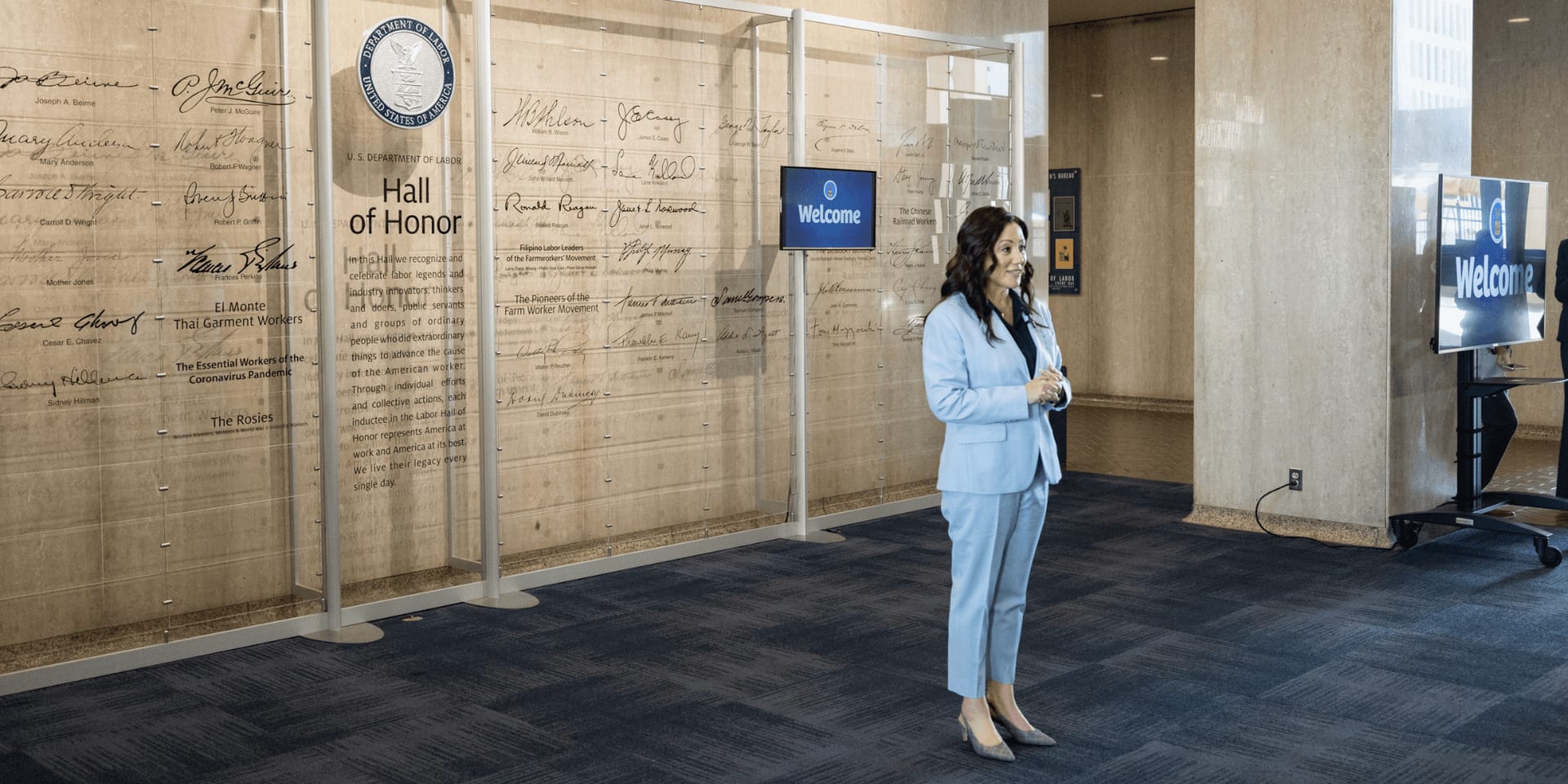
In a significant cabinet-level shakeup, Labor Secretary Lori Chavez-DeRemer has resigned following a turbulent tenure marked by internal disputes and controversy. Reports indicate ongoing dysfunction within the department, with staff describing a climate of instability and conflicting directives.
The resignation leaves a key federal agency in flux at a time when labor issues—including wage pressures, union activity, and workforce shortages—remain central to the national economy. Critics have raised concerns about continuity and leadership effectiveness, while the administration faces pressure to quickly appoint a successor capable of restoring stability.
The departure also reflects broader patterns of turnover and tension within the administration, contributing to uncertainty across multiple federal agencies.
Immigration Enforcement Actions Spark Legal and Ethical Debate
Immigration policy returned to the forefront after an Egyptian family of six was re-detained and deported shortly after being released from federal custody. The case has drawn attention due to its rapid reversal and the involvement of legal complications cited by authorities.
At the same time, Immigration and Customs Enforcement (ICE) is facing scrutiny over plans to construct a new detention facility for families on a site reportedly contaminated with industrial chemicals. Critics argue the proposal raises serious public health and environmental justice concerns.
These developments highlight the continued intensity of the national debate over immigration enforcement, detention practices, and humanitarian standards, as policymakers and advocacy groups clash over the direction of U.S. policy.

Economic Signals Mixed as Markets Rise and Policy Disputes Continue
Recent economic data presents a mixed picture, with stock markets reaching record highs even as policy disputes and legal challenges persist. Major indexes, including the S&P 500 and Nasdaq, have surged, buoyed in part by strong corporate performance and investor optimism.
However, underlying tensions remain. The federal government has begun implementing a refund process tied to previously imposed tariffs that were struck down in court, highlighting ongoing legal and economic fallout from earlier trade policies.
Meanwhile, public concern over inflation, fuel costs, and the broader impact of international conflicts continues to shape economic sentiment. The contrast between strong market performance and persistent structural challenges underscores the complexity of the current economic environment.
Foreign Policy Uncertainty as Iran Talks Stall
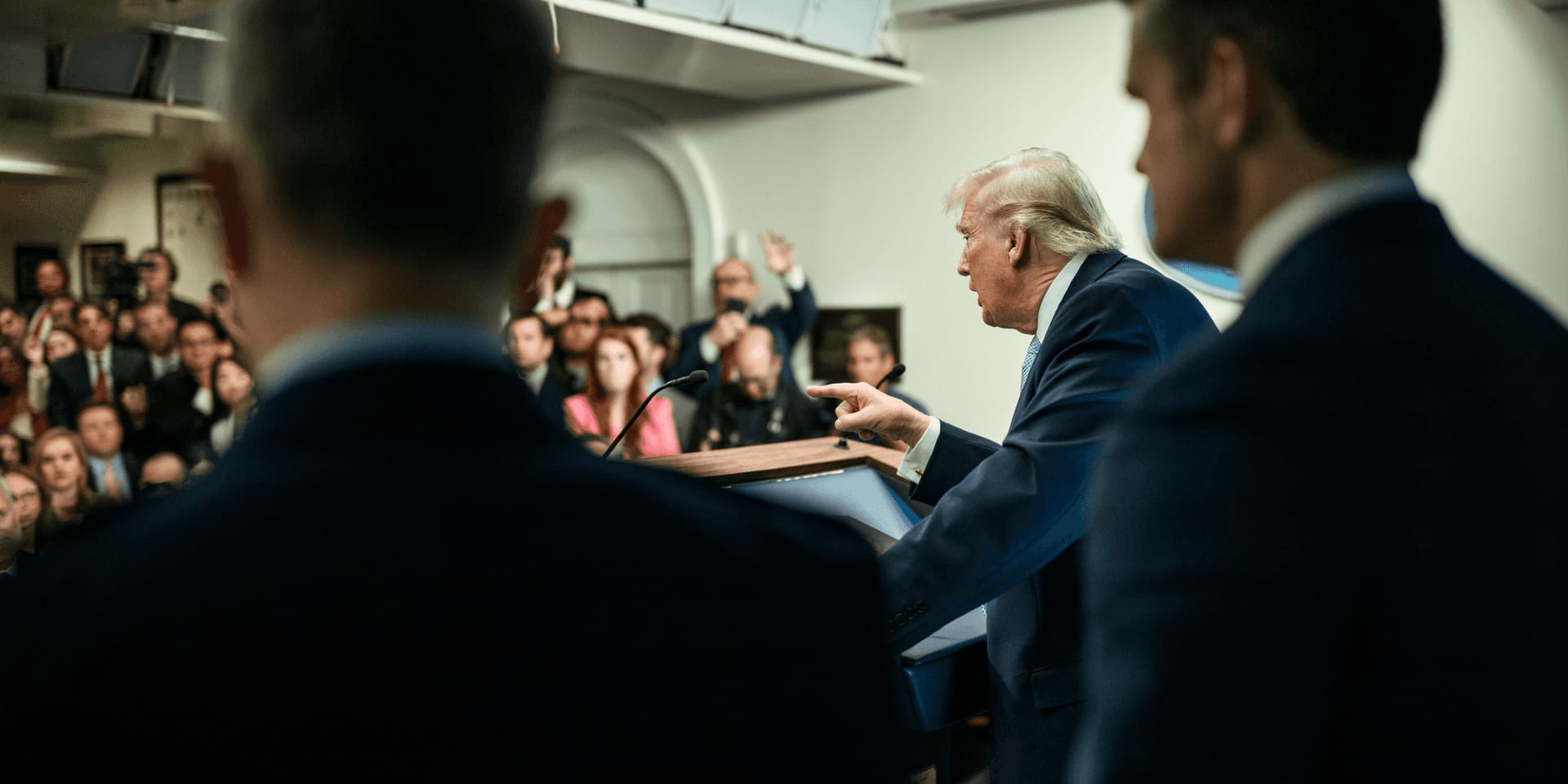
On the international front, the Trump administration has canceled a planned diplomatic mission to Pakistan aimed at facilitating ceasefire negotiations with Iran. The decision signals a shift in approach amid an already fragile geopolitical situation.
The United States remains deeply engaged in a broader conflict dynamic with Iran, following months of military buildup and intermittent negotiations. Observers warn that the cancellation of talks could complicate efforts to stabilize the region and reduce the risk of further escalation.
The move comes as global allies and adversaries alike assess U.S. strategy, with implications for energy markets, international security, and diplomatic relations.
Looking Ahead
In the days ahead, attention will focus on the investigation into the Washington shooting and potential changes to security protocols for major national events. The administration is also expected to address key leadership vacancies, including at the Department of Labor, while continuing to navigate contentious immigration and economic policies.
On the global stage, the trajectory of U.S.-Iran relations will remain a critical factor, particularly as diplomatic options narrow. With political tensions rising at home and strategic challenges abroad, the coming week is likely to test both institutional resilience and national leadership.