Oil, Uncertainty, and Tragedy: A Nation Confronts Global Tensions and Domestic Shock
The United States is navigating a volatile mix of international conflict, economic unease, and domestic tragedy. Escalating tensions with Iran are rippling through global markets, while lawmakers in Washington race to address surveillance powers and civil liberties. At home, a devastating mass shooting has renewed national attention on gun violence, even as economic indicators send mixed signals about the path ahead.

U.S.-Iran Conflict Escalates After Ship Seizure
A sharp escalation in the ongoing U.S.-Iran conflict has heightened global concerns after American forces seized an Iranian cargo vessel over the weekend, marking a significant step in enforcing a naval blockade. The move, described as the first direct use of force under the blockade strategy, prompted swift backlash from Tehran, which labeled the action a violation of ceasefire conditions and vowed retaliation.
The confrontation has also reignited tensions in the Strait of Hormuz, a critical artery for global oil shipments. Iran has intermittently closed the passage in response to U.S. actions, raising fears of broader military conflict and disrupting international shipping routes. U.S. officials are pursuing renewed diplomatic talks, but uncertainty remains high as both sides signal willingness to escalate if negotiations fail.

Oil Prices Surge as Markets React to Geopolitical Risks
Financial markets opened the week under pressure as the Middle East crisis fueled a spike in oil prices and dampened investor confidence. Crude benchmarks surged sharply, with West Texas Intermediate climbing roughly 6 percent, reflecting fears of supply disruptions tied to instability in the Persian Gulf.
The geopolitical uncertainty is unfolding during a crucial stretch for the U.S. economy, with major corporate earnings reports and key consumer data expected in the coming days. Despite a recent rally in technology stocks, analysts warn that sustained volatility in energy markets could complicate the Federal Reserve’s efforts to manage inflation and maintain economic stability.
Deadly Louisiana Mass Shooting Shocks the Nation
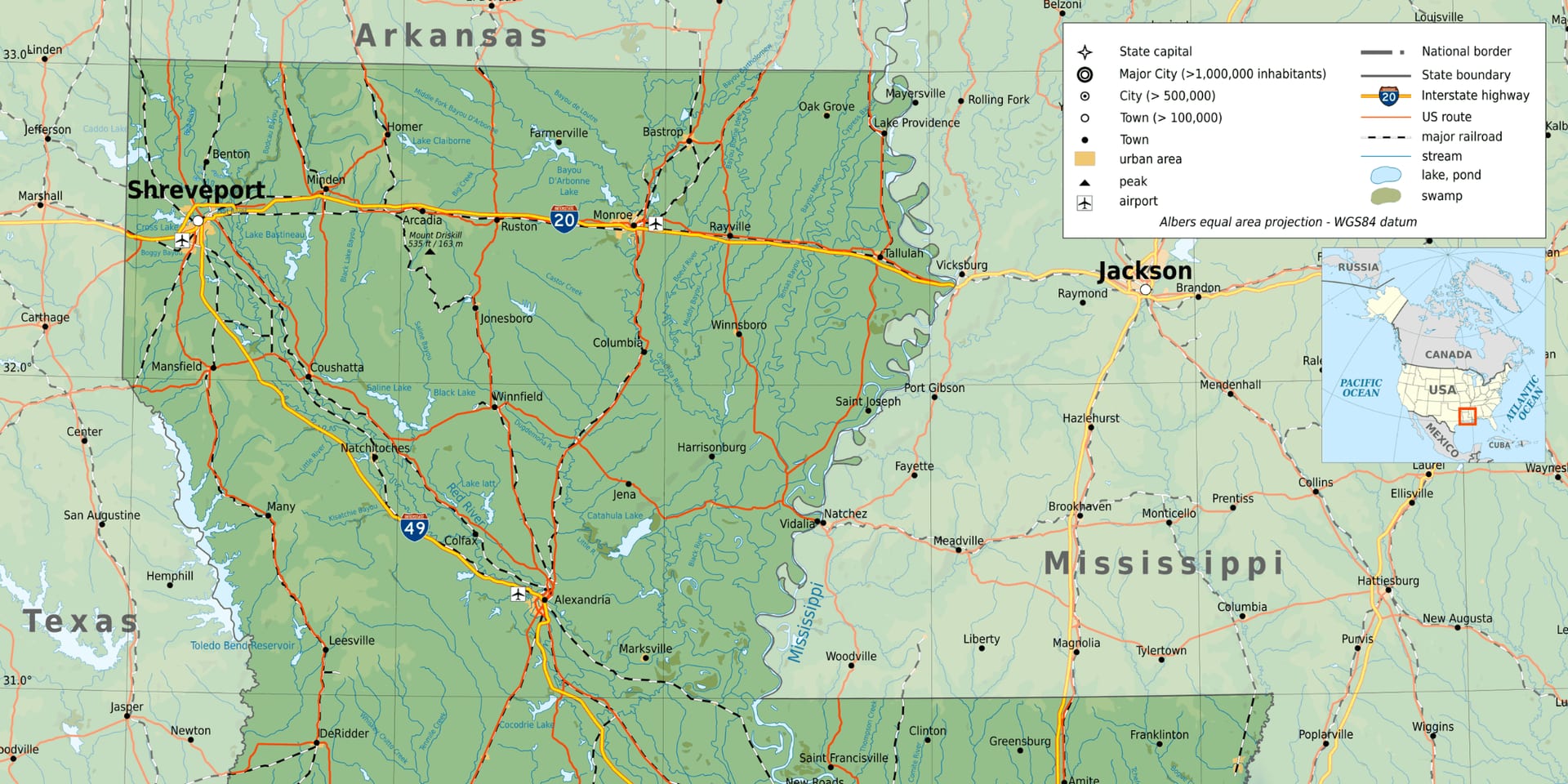
Domestically, the country is grappling with the aftermath of a mass shooting in Shreveport, Louisiana, that left eight children dead in what authorities describe as the deadliest such incident in the U.S. this year. The victims, ranging in age from 3 to 11, included seven of the gunman’s own children. The suspect was killed following a police pursuit after the attack.
The tragedy has reignited debates over gun violence, mental health, and early warning systems for domestic crises. Officials continue to investigate the motive, while community leaders and lawmakers call for renewed focus on prevention strategies and support systems for families in distress.
Senate Extends Surveillance Authority Amid Privacy Debate
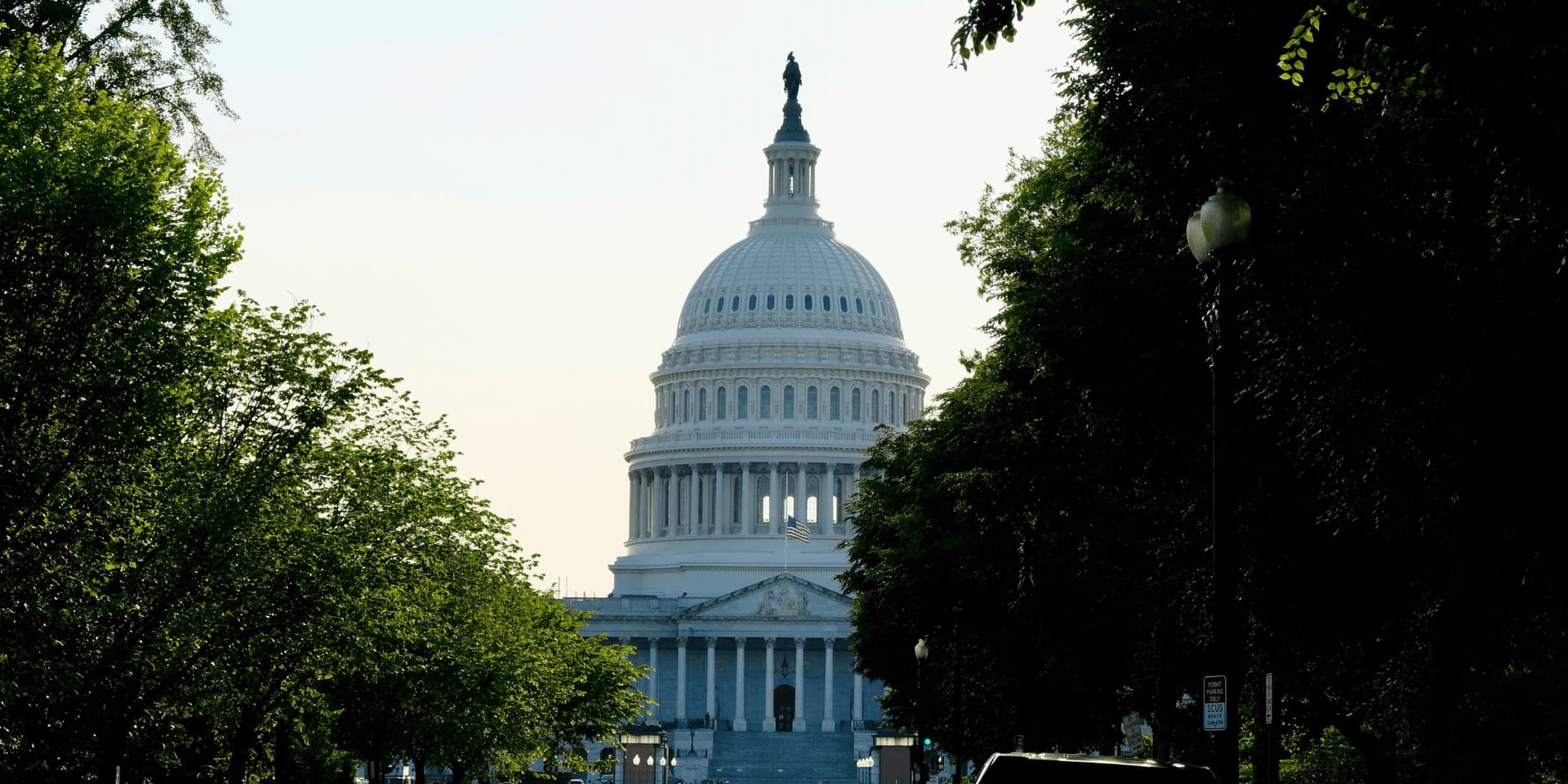
On Capitol Hill, lawmakers passed a short-term extension of a key surveillance authority under the Foreign Intelligence Surveillance Act (FISA), buying additional time to negotiate reforms. The provision, known as Section 702, allows the government to collect communications involving foreign targets but has drawn criticism for potentially sweeping in Americans’ data without warrants.
The temporary extension reflects deep divisions in Congress, where national security concerns are increasingly weighed against civil liberties. Privacy advocates and some bipartisan lawmakers are pushing for stricter safeguards, setting up a contentious debate in the days ahead as the new deadline approaches.

Housing Market Shows Mixed Signals as Rates Stabilize
In the housing sector, mortgage rates have dipped to a four-week low, offering a modest boost to prospective homebuyers. However, rates remain above 6 percent, and elevated borrowing costs continue to weigh on the spring homebuying season.
Economists caution that while the recent decline in rates is a positive sign, broader economic uncertainty—particularly tied to global instability—may limit any sustained recovery in housing demand. The Federal Reserve is widely expected to hold rates steady for now, reflecting ongoing concerns about inflation and financial conditions.
Looking Ahead
The coming days will be pivotal as U.S. officials pursue fragile diplomatic efforts with Iran amid rising military risks and economic consequences. Markets will closely track corporate earnings and consumer data for signs of resilience or slowdown. In Washington, debates over surveillance reform and public safety are set to intensify, while communities across the country continue to grapple with the human toll of violence.