
Strait Tensions Surge as Domestic Policy and Economic Signals Shape a Volatile Day in America
The United States faced a day marked by intensifying international conflict, emerging economic signals, and renewed scrutiny of domestic policy decisions. Developments surrounding the ongoing Iran crisis dominated headlines, while new data and policy actions underscored the broader implications for American markets, immigration, and national security. Together, these stories reflect a nation navigating both external pressures and internal challenges.

U.S.–Iran Crisis Deepens with Renewed Strait of Hormuz Confrontation
A sharp escalation in tensions with Iran defined the day’s most urgent national security story. Iran again closed the Strait of Hormuz, one of the world’s most critical oil shipping lanes, after previously signaling a willingness to reopen it, directly challenging U.S. efforts to maintain maritime access.
The move follows the Trump administration’s decision to uphold a naval blockade on Iranian ports, a strategy intended to pressure Tehran into a broader agreement. Reports of Iranian forces firing on commercial vessels, including an oil tanker, heightened fears of further military escalation and potential disruptions to global energy markets.
U.S. officials convened emergency discussions at the White House, with analysts warning that without diplomatic progress, the situation could deteriorate into a wider conflict with direct consequences for American forces and global oil supplies.

Economic Indicators Reflect Market Uncertainty Amid Geopolitical Strain
Financial markets continue to react cautiously to the geopolitical instability. Oil prices have shown volatility, with recent declines reflecting both uncertainty about demand and investor skepticism about the duration of the conflict.
Meanwhile, gold prices have risen and Bitcoin has surged, signaling a shift toward alternative assets as investors seek stability. Major U.S. banks reported mixed earnings for the first quarter, suggesting that while some sectors remain resilient, broader economic conditions remain uneven.
Inflation pressures are also in focus, with expectations of rising producer prices tied in part to energy costs linked to the Iran crisis. Together, these indicators point to an economy navigating both external shocks and structural pressures.
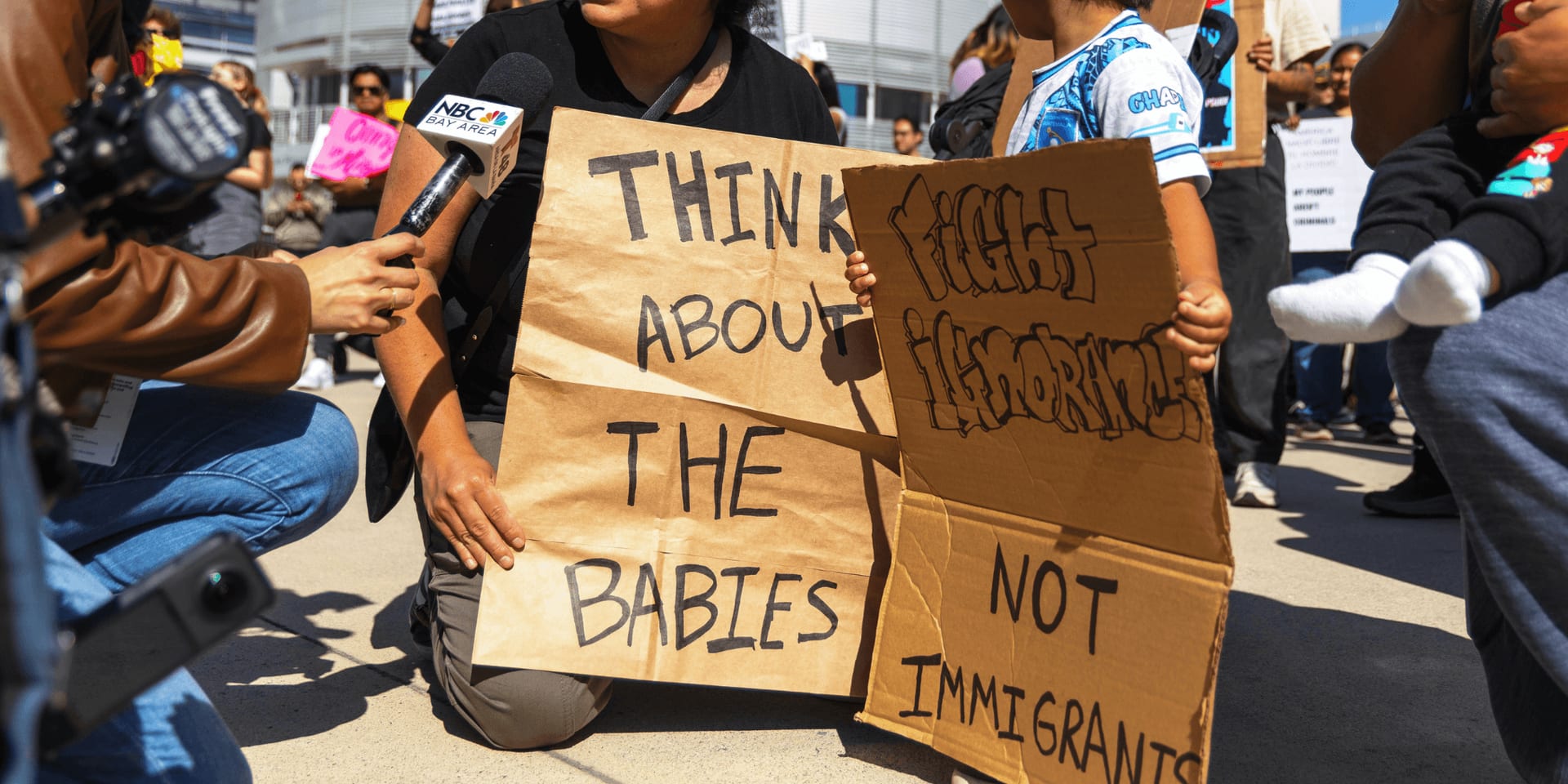
Immigration Enforcement and DACA Deportations Draw Scrutiny
Immigration policy returned to the spotlight following new disclosures about deportations under the Deferred Action for Childhood Arrivals program. Federal authorities reported that 174 individuals seeking renewal of their protections were deported during much of 2025.
The revelation has intensified debate about enforcement priorities and the future of DACA, a program that has long occupied a contentious place in U.S. immigration policy. Critics argue the deportations undermine the program’s intent, while supporters of stricter enforcement point to adherence to existing legal frameworks.
The issue is likely to remain politically significant, particularly as broader immigration system strains, including staffing changes in immigration courts, continue to draw national attention.
Security Incidents Highlight Domestic Preparedness Concerns
Several domestic incidents underscored ongoing concerns about national security and emergency response readiness. A United Airlines flight bound for New York was forced to make an emergency landing after a reported security issue, prompting an evacuation and federal investigation.
In Wisconsin, clashes erupted between law enforcement and animal rights activists attempting to breach a biomedical research facility, resulting in the use of crowd control measures including pepper spray and rubber bullets.
Though unrelated, these events reflect a broader pattern of security challenges ranging from aviation safety to protest management, reinforcing the importance of coordinated federal and local response systems.

Policy Moves on Veteran Health and Psychedelic Treatment Gain Attention
Amid the day’s geopolitical and domestic tensions, the administration also advanced a notable healthcare policy initiative. President Trump signed an executive order directing the Food and Drug Administration to expedite the review of certain psychedelic-based treatments, particularly for veterans suffering from post traumatic stress disorder.
The move signals a growing willingness at the federal level to explore alternative mental health treatments, an area that has gained bipartisan interest in recent years. Advocates argue such therapies could offer new hope for veterans and others with treatment resistant conditions, while regulators will face pressure to ensure safety and scientific rigor.
The policy represents a significant shift in the federal government’s approach to previously stigmatized treatment options.
Looking Ahead
The coming days will be shaped largely by whether diplomatic efforts can stabilize the escalating Iran crisis or whether further confrontation becomes unavoidable. Markets will continue to monitor energy prices and inflation indicators for signs of deeper economic impact. Domestically, immigration policy debates and emerging healthcare initiatives are likely to remain in focus, while security agencies assess recent incidents for broader implications.
As the United States balances international conflict with internal policy challenges, the trajectory of these overlapping developments will define the national landscape in the days ahead.