
Nature In The Classroom Is Transforming How Kids Learn
A tree ceiling is changing student focus, calm, and connection to the natural world.
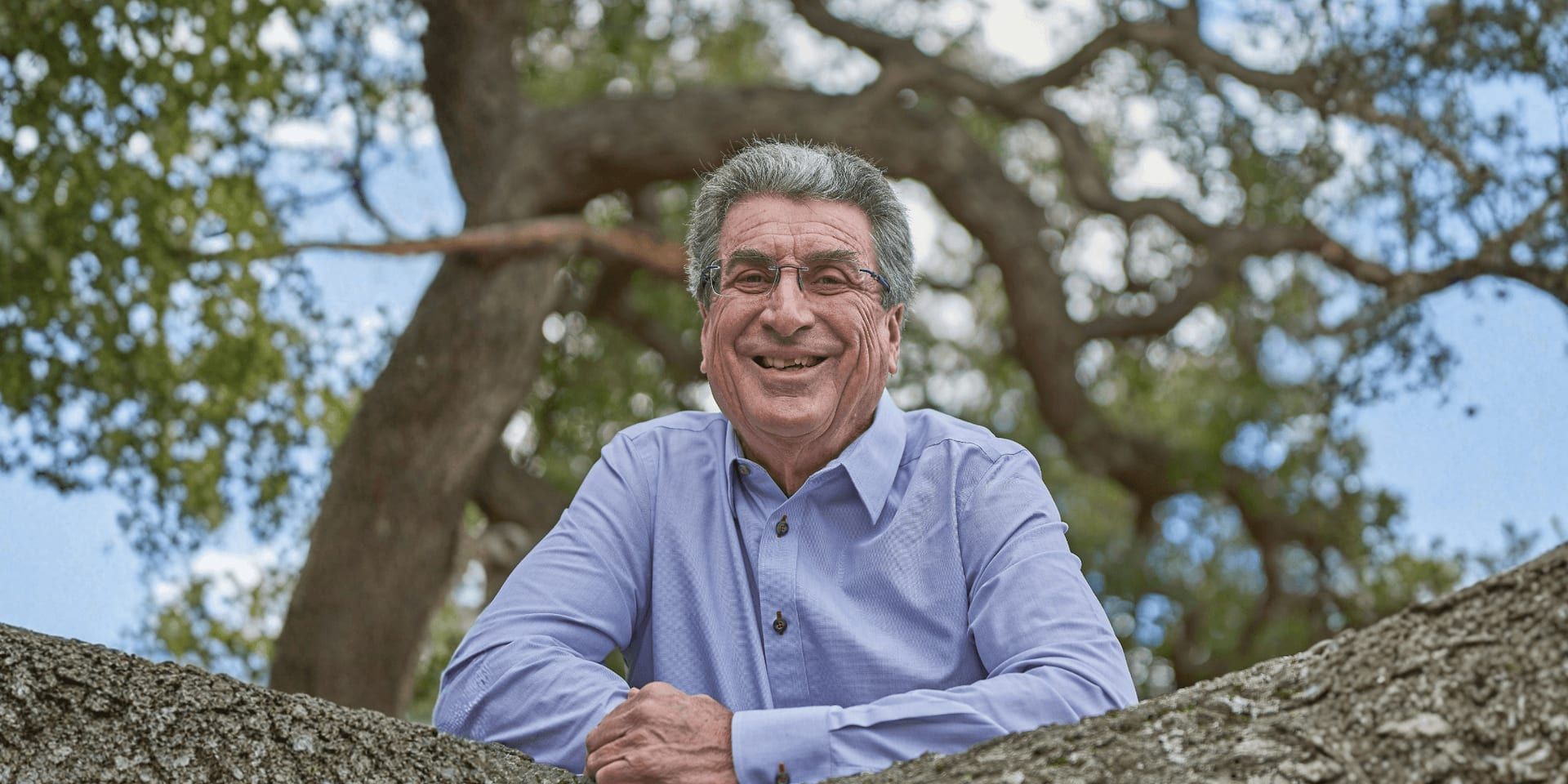
When a kindergartner was asked what she liked about the tree canopy installed above her classroom ceiling, she did not reach for complicated language. She simply said, "It calms me up." In three words, she captured something that researchers have spent decades trying to quantify: the profound effect that nature, even the image of nature, has on the human mind. That quiet moment of clarity is exactly what Ernesto Rodriguez, founder of Nature In The Classroom, had in mind when he set out to transform learning environments one ceiling at a time.
A Simple Idea Rooted In Decades Of Science
Nature In The Classroom is a nonprofit organization with a focused and powerful mission: to install ceiling murals of tree canopies inside classrooms and, in doing so, bring the restorative power of the natural world directly to students and teachers. The concept is grounded in Attention Restoration Theory, or ART, a framework backed by more than fifty years of research demonstrating that viewing trees, whether real or photographed, reduces stress, improves focus, and supports sustained cognitive engagement.
The science is clear. When students sit beneath images of a forest canopy, their nervous systems respond as though they are actually outdoors. Heart rates slow. Mental fatigue eases. Attention sharpens. For educators working in urban schools where students may spend the majority of their day indoors and far removed from green spaces, this is not a decorative upgrade. It is a meaningful intervention.
What Happens When The Ceiling Becomes A Canopy
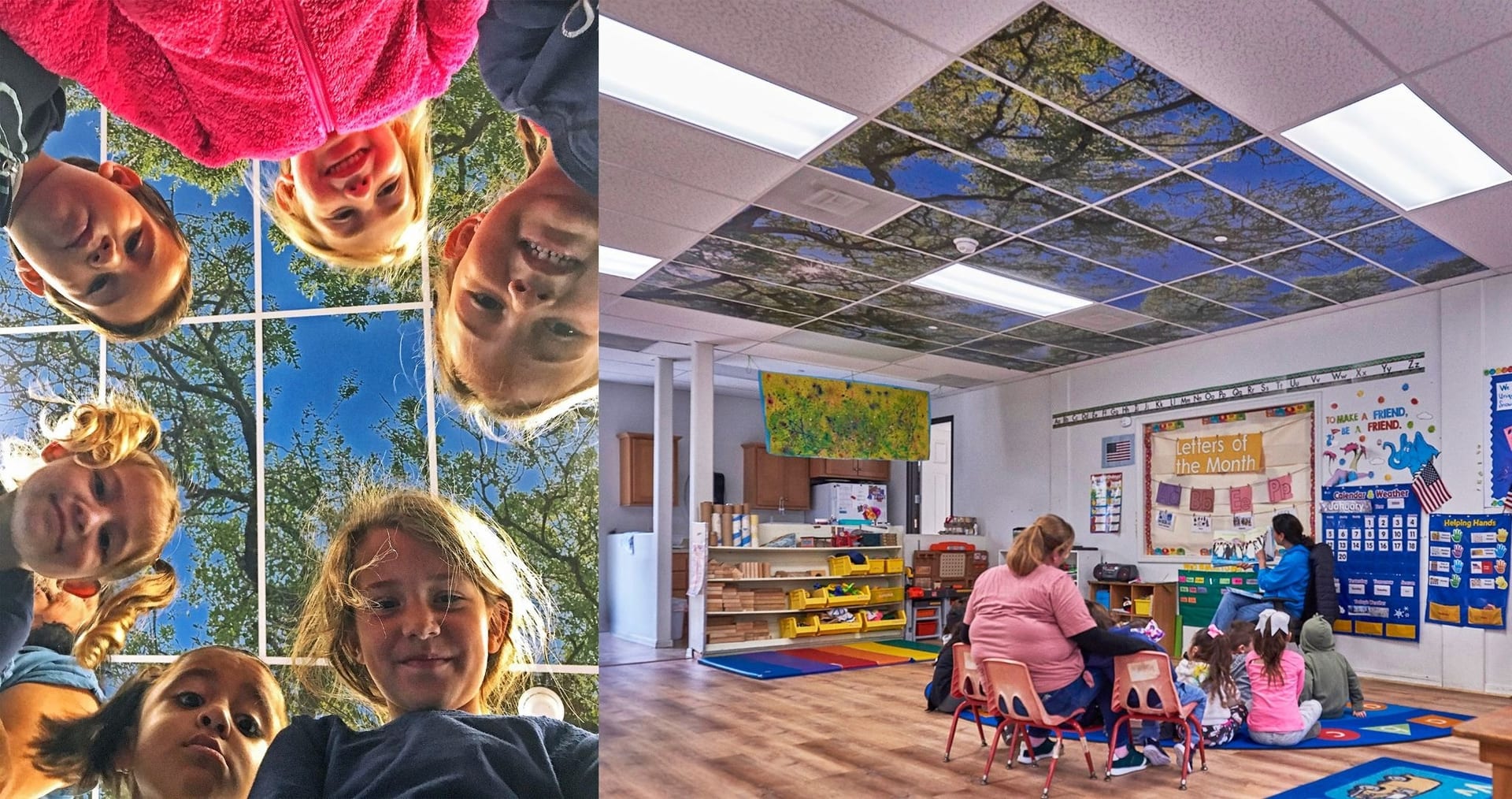
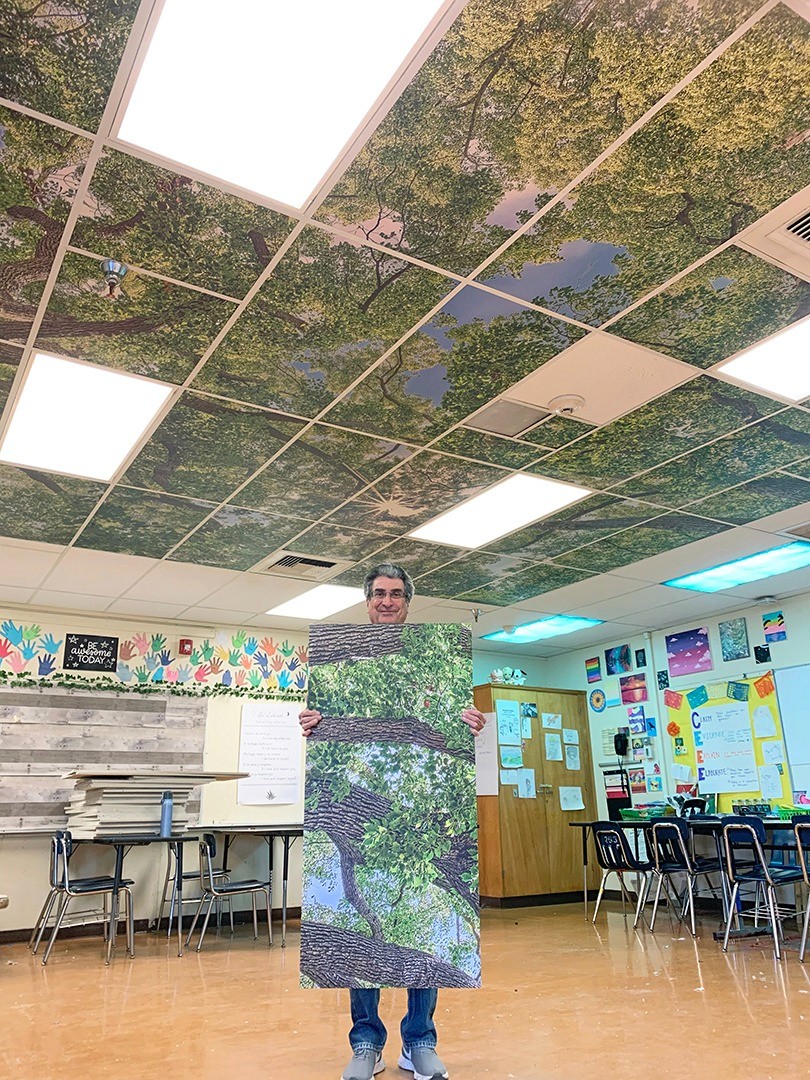
Karyn Smolic, a middle school teacher whose classroom received a tree ceiling installation, witnessed the shift firsthand. "I can already tell that by having the tree ceiling it has brought a sense of calmness and peace to the students seated underneath them," she said. Her observation mirrors what the research predicts and what Rodriguez has seen repeated across every installation.
Students respond to these environments in ways that go beyond behavior charts and test scores. A fifth grader, looking up at the branching patterns overhead, offered this reflection: "The branches are like roads to a great journey." That single sentence speaks to something deeper than calm. It speaks to curiosity, to imagination, and to a felt sense of connection between the act of learning and the living world that surrounds it.
These are not isolated moments. They are patterns. And they point to something that educators and school administrators are increasingly recognizing: the physical environment of a classroom is not neutral. It shapes how students feel, how they behave, and how deeply they engage with the material in front of them.
Connecting The Classroom To The Natural World
One of the most compelling aspects of Nature In The Classroom is its philosophical foundation. Rodriguez believes, and the organization's mission reflects, that the natural world is not separate from the pursuit of knowledge. It is the source of all that is known. Mathematics, physics, social studies, poetry: each of these disciplines emerged from human beings engaging with and attempting to understand the natural world. When a classroom ceiling reflects that truth visually, it gives students and teachers a unifying context for everything being studied.
This framing matters. It shifts the ceiling mural from a decorative element to an educational one. The tree canopy above becomes a reminder that science lives in the forest, that geometry lives in the branching of limbs, and that literature lives in the way light filters through leaves. The installation does not interrupt learning. It deepens it.
For students in urban environments who rarely experience extended time outdoors, this connection carries additional weight. Nature In The Classroom brings the outside in, not as a substitute for outdoor education, but as a bridge that keeps the natural world present in the daily rhythm of school life.
A Nonprofit Doing What No One Else Is Doing
Nature In The Classroom operates as a 501(c)(3) nonprofit, and Rodriguez is direct about the organization's position in the marketplace: there is no competition. What Nature In The Classroom does has never been done before. No other organization is systematically installing tree canopy ceiling murals in classrooms as an evidence-based approach to improving student well-being and learning outcomes.
That distinction matters for schools, donors, and community partners evaluating where to direct support. The organization is not iterating on an existing model. It is building a new one, and the results it is generating in real classrooms with real students are beginning to attract well-deserved attention. The work was recognized as a top uplifting story of 2024, a reflection of the growing public appetite for solutions that address the emotional and cognitive needs of students alongside their academic ones.
The Future Of Learning Looks Up
The research supporting Attention Restoration Theory continues to grow. So does the evidence that learning environments profoundly influence outcomes. Nature In The Classroom sits at the intersection of both, offering schools a solution that is visually striking, scientifically sound, and emotionally resonant. When a kindergartner looks up and feels calmed, and a fifth grader looks up and sees a road to a great journey, something important is happening. Something worth expanding.
Every student deserves a learning environment that supports their full potential. Nature In The Classroom is proving, one ceiling at a time, that bringing nature indoors is one of the most powerful ways to make that possible. Schools, educators, and donors who want to be part of this movement are invited to explore the research, learn about the installation process, and help bring tree canopy ceilings to more classrooms across the country.
Explore More About Nature In The Classroom
Learn more at Nature In The Classroom, follow the journey on Instagram, and connect on Facebook.