Storms, Tariffs and Spectacle Shape an Unsettled American Sunday
Americans closed the weekend confronting pressures on several fronts: another tropical storm threatened a battered Hawaii, escalating trade tensions with Canada raised fresh inflation concerns, and Washington prepared a new economic offensive against Iran. At the same time, a dispute over vaccine policy exposed divisions within the Trump administration, while the nation's capital became the stage for an unprecedented IndyCar race celebrating America's 250th anniversary.
Hawaii Braces for More Flooding After Hurricane Lala
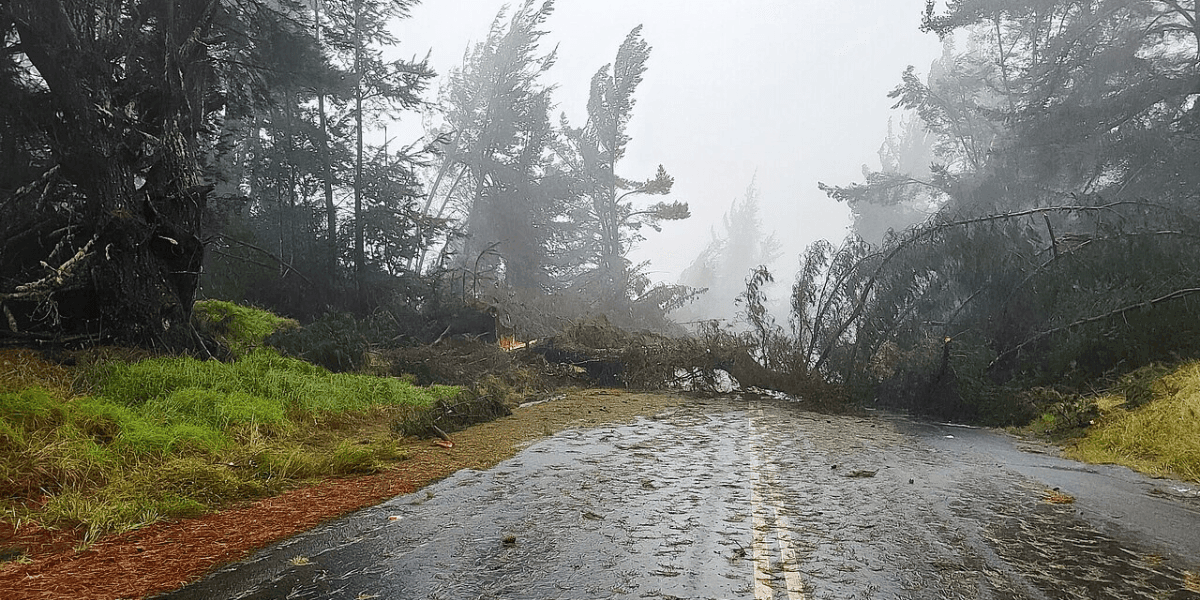
Tropical Storm Moke passed south of Hawaii's Big Island on Sunday, threatening communities still recovering from Hurricane Lala. The National Hurricane Center placed Moke roughly 320 miles south-southwest of Hilo around midday, with sustained winds near 40 mph, but forecasters warned that rainfall represented the more serious danger.
Parts of the Big Island were forecast to receive as much as 10 inches of rain, with isolated totals reaching 15 inches, creating the potential for life-threatening floods and mudslides. Hurricane Lala had already damaged roads and power lines and triggered flooding and landslides; two deaths were linked to that storm, and more than 6,500 customers remained without electricity Sunday. Hawaii County Mayor Kimo Alameda urged residents to stay off roads and shelter in place, while emergency shelters remained available.
The back-to-back storms have turned the state's recovery effort into an immediate test of emergency response and infrastructure resilience, particularly on the Big Island's already saturated windward slopes.
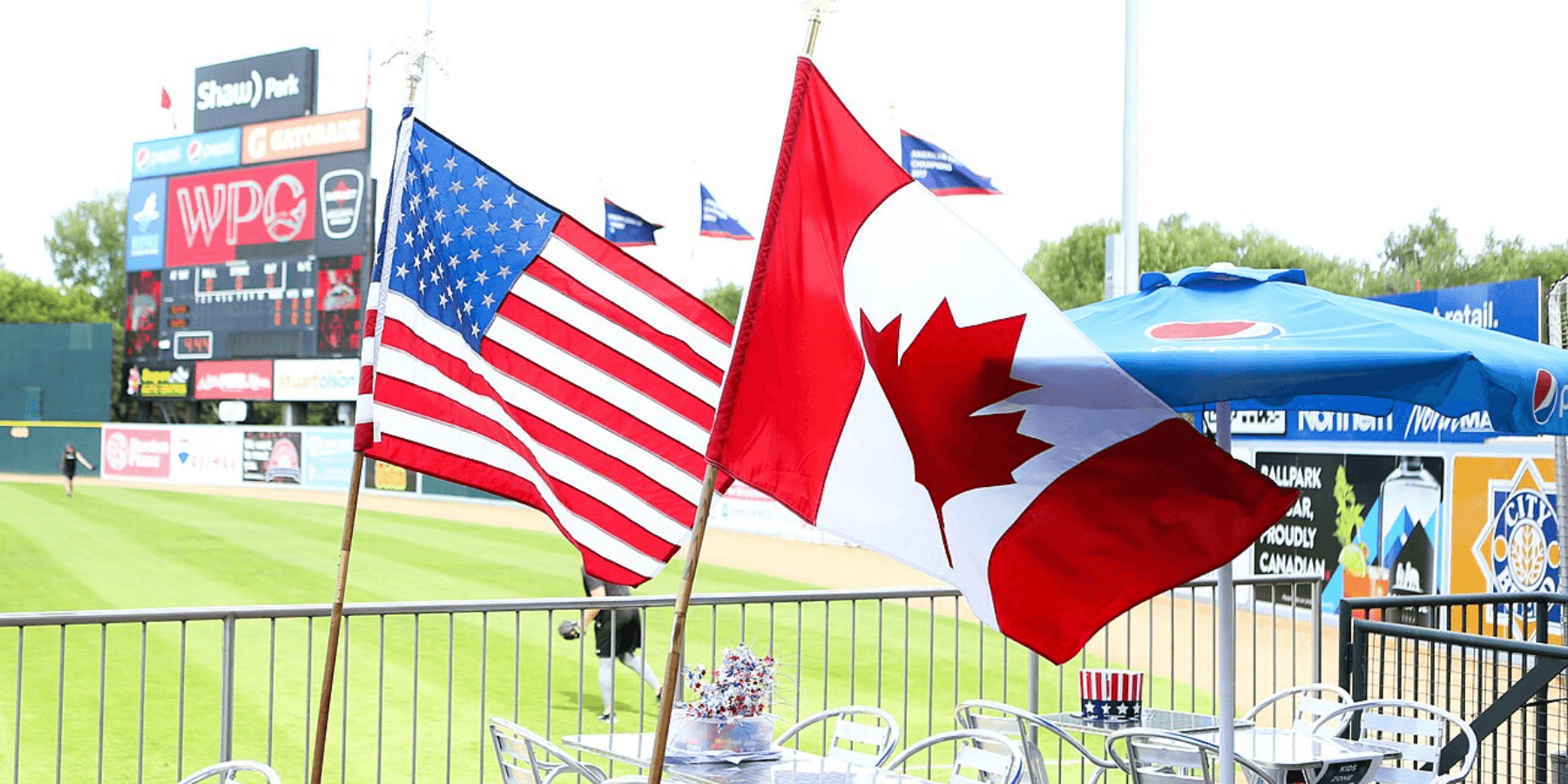
Photo Credit: U.S. Embassy and Consulates in Canada/Wikimedia
Canada Trade Fight Adds to Inflation Concerns
A widening U.S.-Canada trade confrontation emerged as another source of economic uncertainty. The United States began imposing 50% tariffs on Canadian products Saturday after negotiations between the longtime trading partners failed to produce an agreement, while Canada prepared retaliatory measures expected to take effect in September.
Minneapolis Federal Reserve President Neel Kashkari warned Sunday that prolonged tariff exchanges could keep inflation elevated for longer. He pointed to both trade disruptions and the Iran war's effect on energy prices as supply shocks affecting the broader U.S. economy. Canada was America's second-largest trading partner in 2025, with roughly $880 billion in two-way trade in goods and services, making an extended dispute potentially significant for businesses and consumers.
The comments came ahead of important economic reports on consumer confidence and inflation. The Federal Reserve has been struggling with inflation running above its 2% target, with markets watching closely for clues about whether policymakers can ease interest rates in the months ahead.
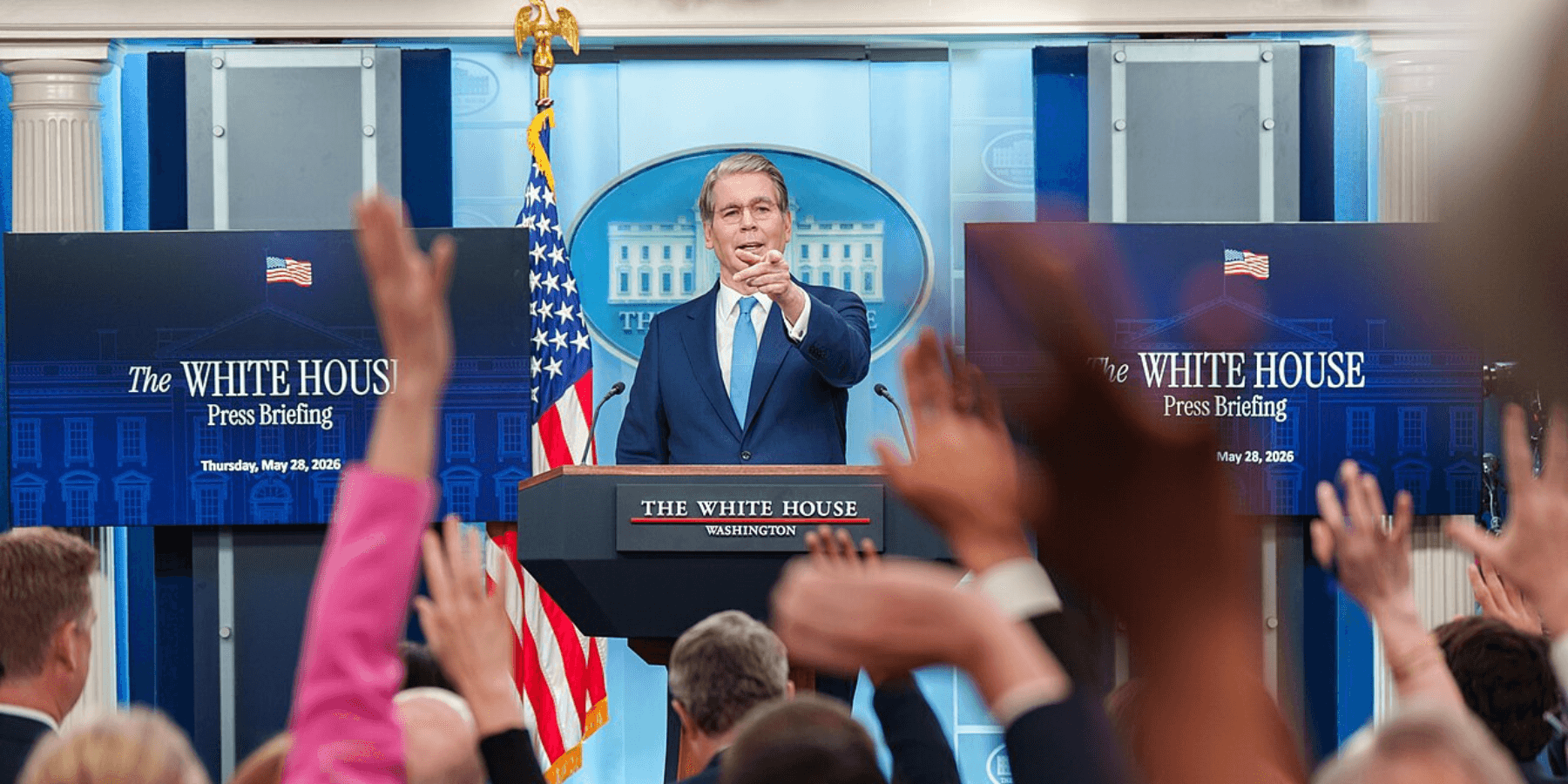
Photo Credit:The White House/Wikimedia
Trump Prepares New Economic Offensive Against Iran
The Trump administration prepared to intensify economic pressure on Iran as the conflict approached the six-month mark. Treasury Secretary Scott Bessent was expected Monday to detail what the administration has characterized as an extraordinary new sanctions campaign designed to further isolate Tehran and restrict its sources of revenue.
Iranian officials pushed back sharply Sunday. Foreign Minister Abbas Araghchi dismissed Washington's threatened sanctions as a sign of desperation, while another Iranian official warned that continued economic warfare could further threaten oil exports. The confrontation carries consequences well beyond foreign policy because disruptions involving the Strait of Hormuz and global energy supplies have contributed to higher U.S. inflation.
The administration's turn toward intensified sanctions comes as Washington seeks leverage against Tehran without abandoning the possibility of further military action, leaving the war's economic and geopolitical consequences central to the national agenda.
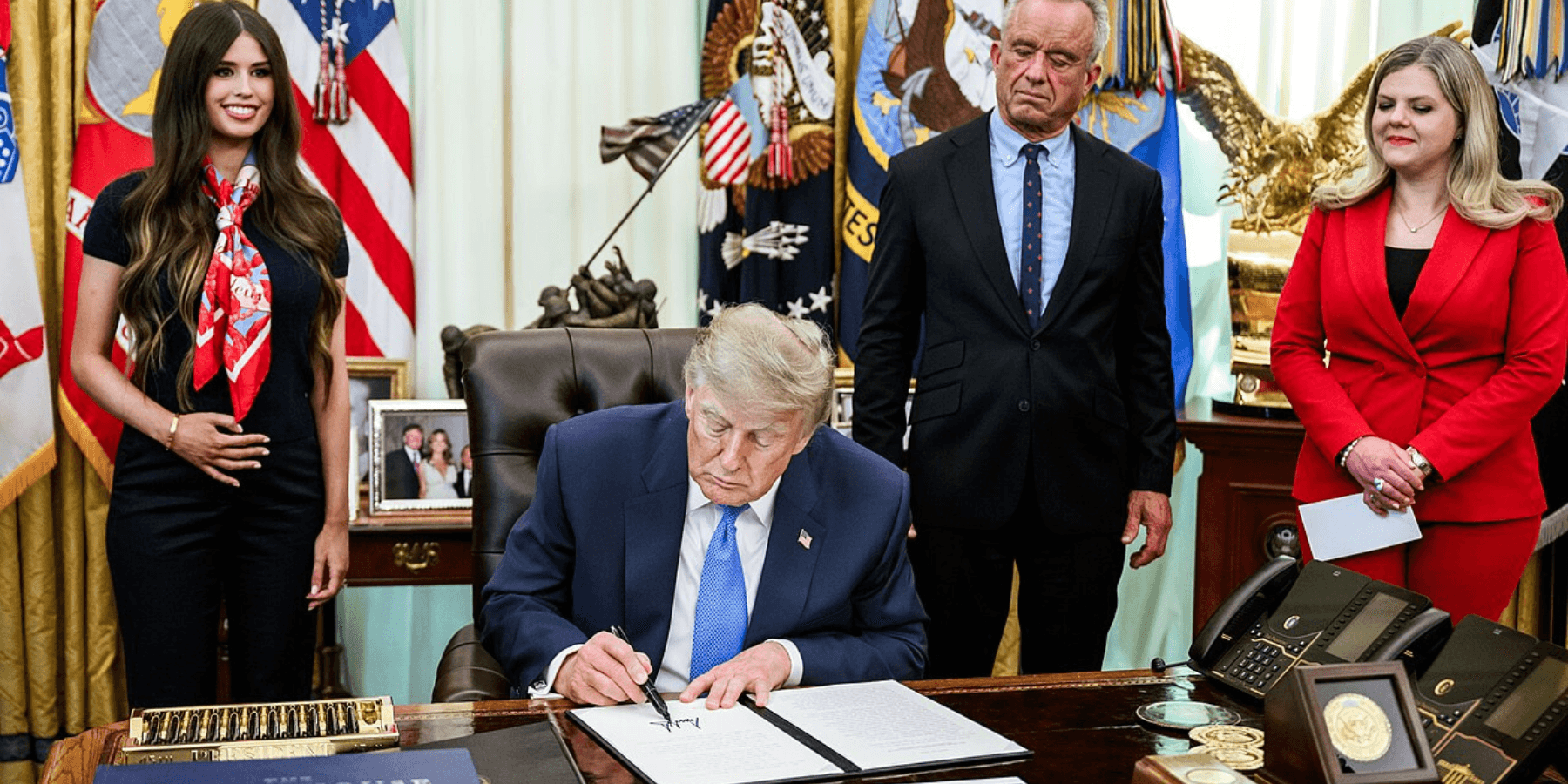
Photo Credit: The White House/Wikimedia
Vaccine Policy Opens a Public Split Inside the Administration
A significant public-health disagreement surfaced Sunday when Centers for Medicare and Medicaid Services Administrator Dr. Mehmet Oz rejected suggestions that the combined measles, mumps and rubella vaccine is lethal. Oz said directly that the MMR vaccine is not a lethal vaccine, distancing himself from recent comments by President Trump.
The disagreement comes as the administration promotes changes to the childhood vaccination schedule. Trump signed an executive order earlier in August supporting the administration of measles, mumps and rubella vaccines as separate shots rather than the widely used combined MMR vaccine. Public-health experts have continued to support the safety and effectiveness of the combined vaccine.
The issue has particular national significance because U.S. measles cases have climbed to their highest level in 35 years, putting vaccination policy and public confidence back at the center of the country's health debate.
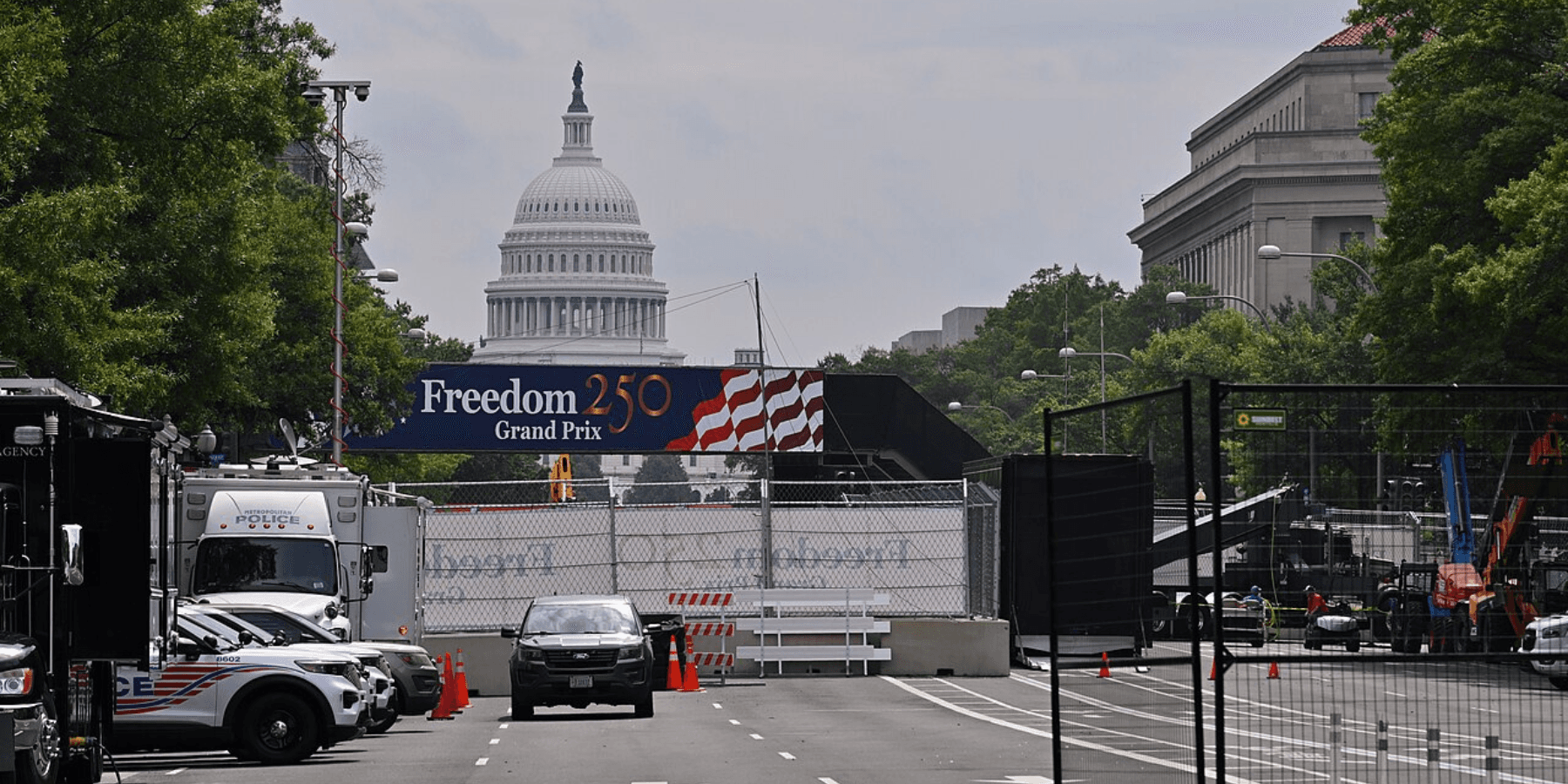
Photo Credit: G. Edward Johnson/Wikimedia (Cropped)
Washington Turns Into a Racetrack for America's 250th
Washington's political landscape briefly became a literal racing circuit Sunday as IndyCar staged the inaugural Freedom 250 Grand Prix around the National Mall. President Donald Trump and first lady Melania Trump took a ceremonial lap in the presidential limousine before Trump waved the green flag, launching cars onto a course that included Pennsylvania Avenue and views of the Capitol and Washington Monument.
American driver Kyle Kirkwood won the 250-mile race after leading 128 of 147 laps, finishing 3.09 seconds ahead of Christian Lundgaard. The event, organized as part of the country's 250th-anniversary celebrations, also featured military aircraft flyovers and other patriotic displays.
Beyond sports, the race underscored the Trump administration's use of large-scale public events to frame the semiquincentennial celebrations. It joined other highly visible events staged during the anniversary year and placed presidential pageantry at the center of an otherwise consequential weekend in Washington.
Looking Ahead
Attention on Monday will turn quickly from the weekend's events to policy. The Trump administration is expected to unveil its expanded sanctions campaign against Iran, while Hawaii will continue monitoring Moke's rainfall and assessing new damage. Investors will also look toward consumer-confidence and inflation data as the Canada tariff confrontation raises questions about prices, growth and Federal Reserve policy. Meanwhile, with the November midterms approaching, disputes over trade, health policy, the Iran war and the administration's broader agenda are increasingly converging with the political campaign.