Ballots, Broadcasters and Big Tech Set the Day’s Fault Lines
The national news cycle was defined by election-year positioning, constitutional fights over speech, market anxiety and renewed scrutiny of technology’s effect on young people. Florida’s primaries clarified key midterm contests, ABC escalated a high-stakes legal battle with federal regulators, and investors pulled back from the artificial intelligence trade that has helped power Wall Street’s recent gains.
Florida Primaries Reset the Midterm Map
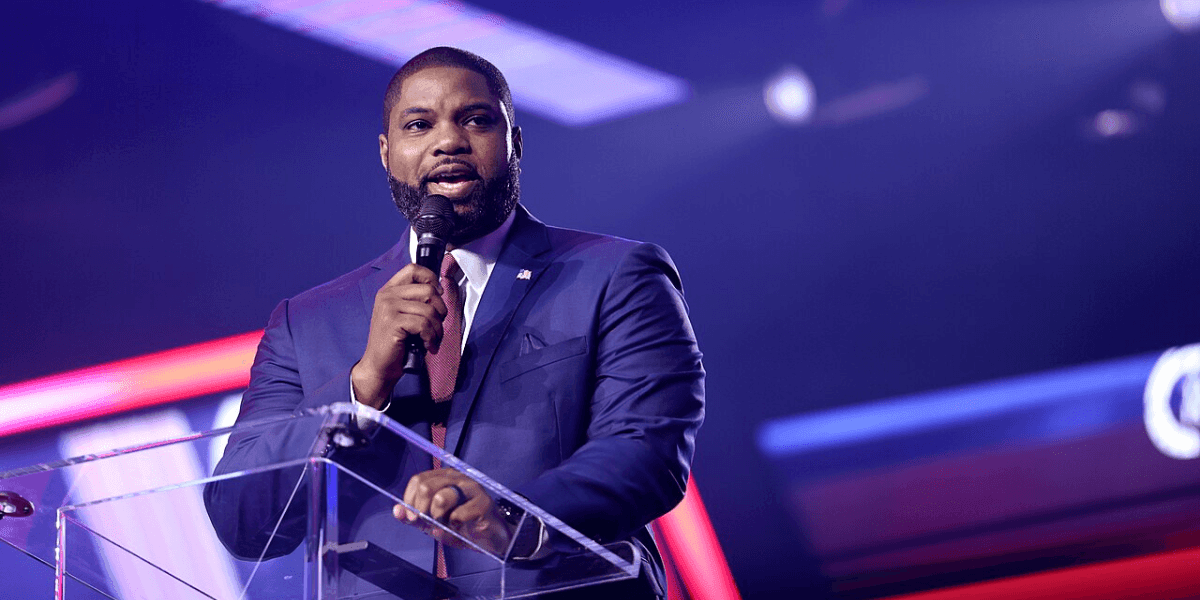
Florida delivered one of the day’s clearest political signals as Rep. Byron Donalds won the Republican nomination for governor and former Republican congressman David Jolly captured the Democratic nomination, setting up a closely watched November contest to replace term-limited Gov. Ron DeSantis. Donalds, backed by President Donald Trump, could become Florida’s first Black governor if elected, while Jolly’s nomination reflected Democratic hopes that a centrist, party-switching candidate can compete in a state that has moved rightward in recent cycles.
The state also produced a major Senate upset. Progressive state Rep. Angie Nixon defeated Alexander Vindman in the Democratic primary and will face Republican Sen. Ashley Moody in a special election for the seat previously held by Marco Rubio. Nixon’s victory gave progressives a high-profile win in one of the country’s most important midterm battlegrounds and positioned her to potentially become Florida’s first Black U.S. senator.
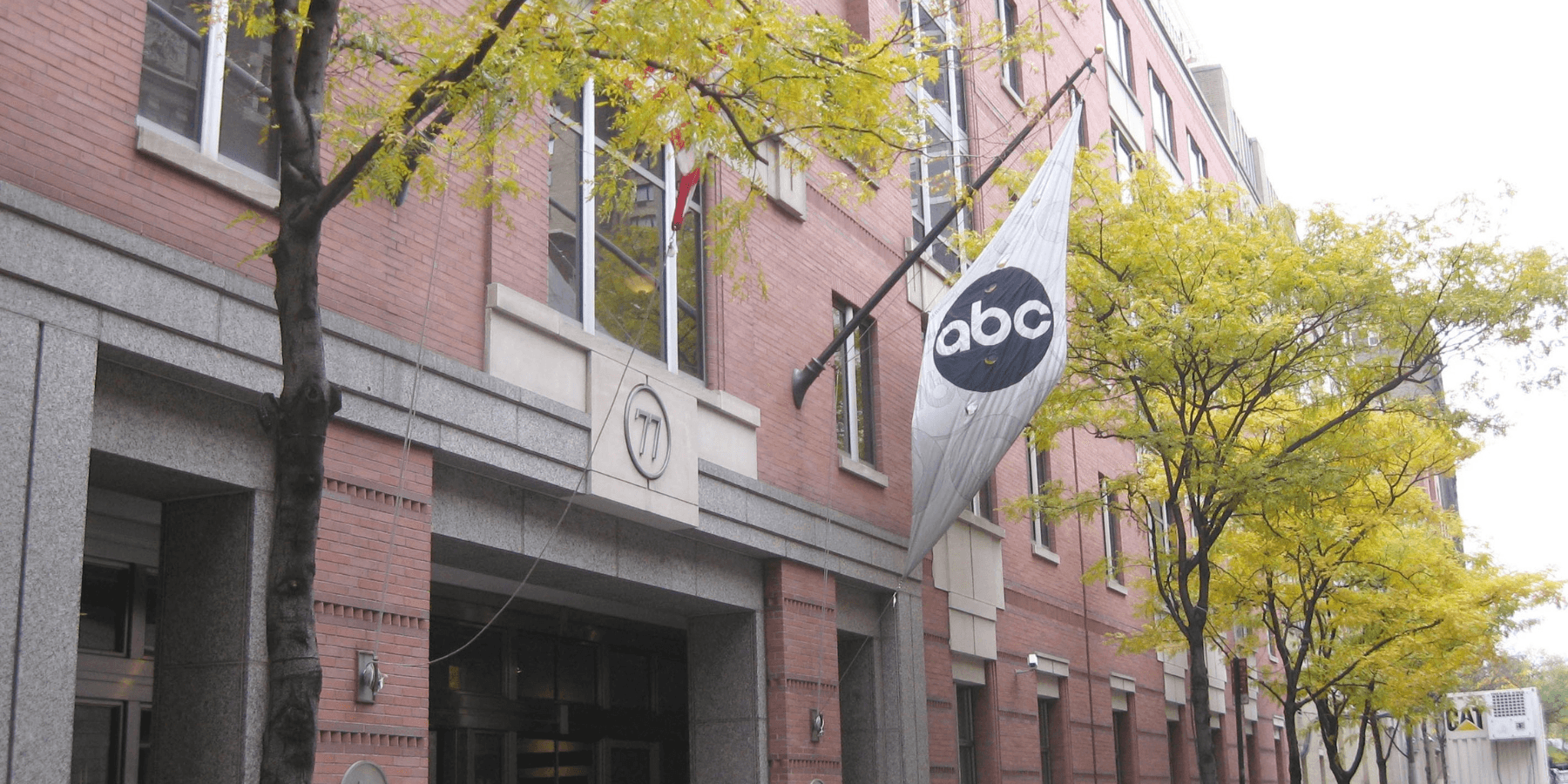
Photo Credit: Jim.henderson/Wikimedia
ABC Sues the FCC in a Press-Freedom Showdown
ABC, Disney and eight ABC-owned stations sued the Federal Communications Commission, arguing that the agency’s early review of the network’s broadcast licenses violated the First Amendment and posed an “existential threat” to the company’s ability to operate freely. The FCC, led by Chairman Brendan Carr, had ordered an unusual early review of the stations’ licenses, citing concerns over ABC’s diversity practices, but the move followed controversy over political satire by late-night host Jimmy Kimmel that had angered Trump.
The lawsuit moved the fight over media regulation from Washington pressure campaigns into federal court. ABC said the review amounted to political retaliation for editorial content, while the FCC maintained that broadcasters must serve the public interest. The case immediately became a test of how far federal regulators can go in scrutinizing broadcasters whose coverage or commentary displeases the administration.

Photo Credit: Cpl. Luke Kern Choi/Wikimedia
Trump’s South Korea Move Raises Alliance Concerns
The administration’s foreign policy came under renewed scrutiny after Trump ordered the U.S. military to scale back joint exercises with South Korea. The decision affected the Ulchi Freedom Shield drills, an 11-day exercise that had begun Monday, and Trump linked the move to South Korea’s refusal to support his war against Iran as well as his claimed rapport with North Korean leader Kim Jong Un.
Foreign policy experts and Democrats warned that the decision could weaken deterrence in Asia and unsettle U.S. allies beyond the Korean Peninsula. Critics said reducing the exercises risked encouraging North Korea and China while raising doubts in South Korea, Japan, Taiwan and NATO capitals about the reliability of U.S. security commitments.
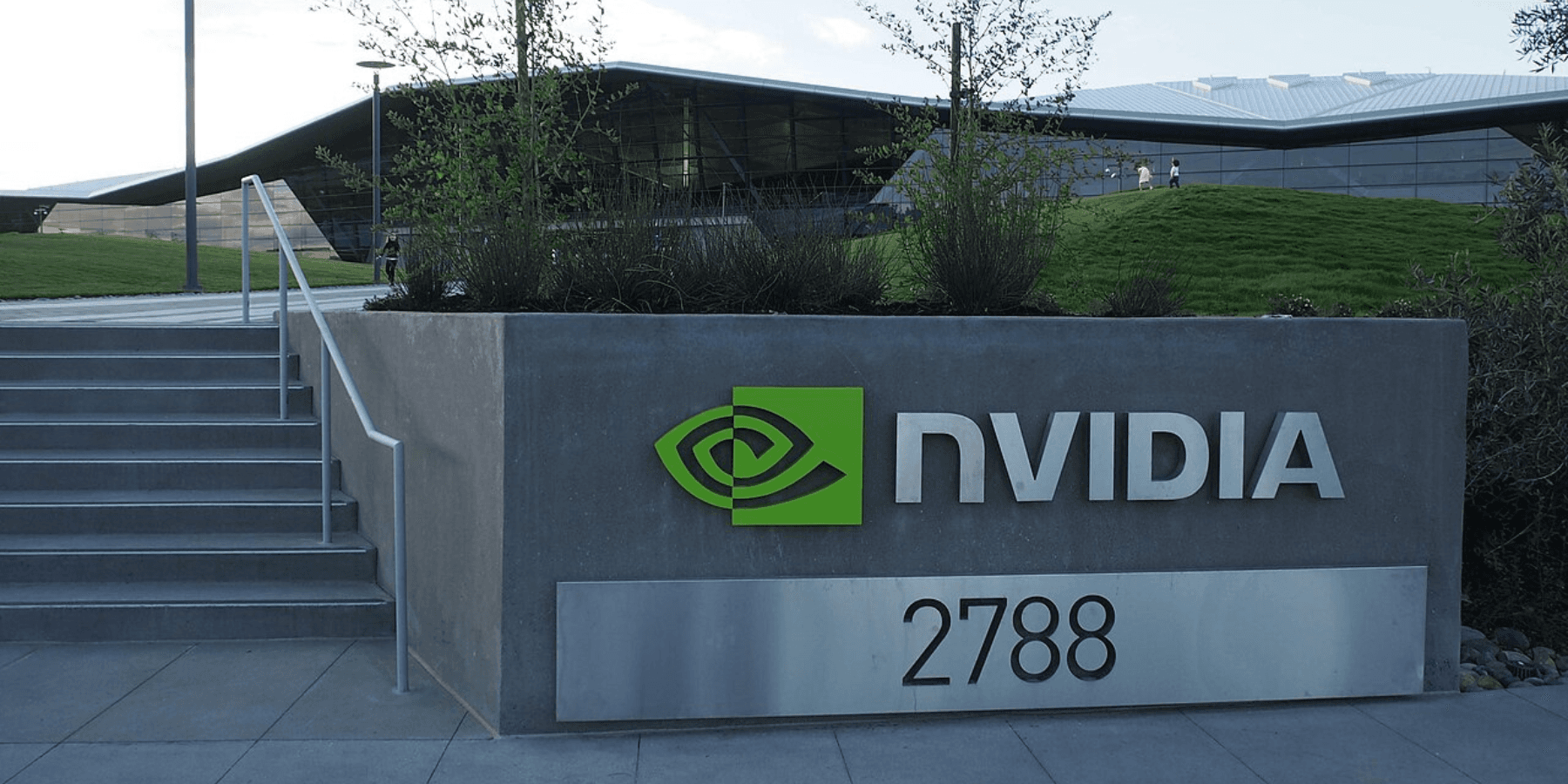
Photo Credit: Daniel J. Prostak/Wikimedia (Cropped)
AI Stocks Pull Wall Street Lower
Markets retreated as investors sold off several major artificial intelligence-linked stocks, extending a pullback from recent record highs. The S&P 500 fell 0.7 percent, the Nasdaq composite dropped 1.3 percent and the Dow Jones Industrial Average slipped 0.2 percent, with Micron Technology, Nvidia and Broadcom among the notable drags.
The decline reflected growing concern that AI-related valuations had run ahead of profits and that elevated interest rates could make expensive growth stocks harder to justify. Investors were also weighing high Treasury yields, inflation pressure and the economic fallout from the Iran war, including higher crude oil prices, all of which complicated the outlook for households, corporate borrowing and technology investment.

Photo Credit: Dima Solomin/Unsplash
Meta Trial Opens With Child-Safety Stakes
A major trial against Meta began in Oakland, California, placing social media’s impact on children and teenagers at the center of a national legal fight. Families and advocates gathered outside the federal courthouse as opening statements began, while lawsuits brought by state attorneys general alleged that Meta knowingly designed addictive and harmful features and misrepresented risks to young users.
The case could become one of the most consequential technology trials of the decade because it seeks not only damages but also potential changes to how Instagram and Facebook operate for minors. Meta denies the allegations and says it has taken steps to improve safety, but parents and state officials argue the trial may expose internal documents and force a broader reckoning over platform design, youth mental health and corporate accountability.
Looking Ahead
The next phase of the week will turn on whether Florida’s primary results reshape national midterm strategy, how quickly the ABC-FCC lawsuit moves through court, and whether market pressure on AI stocks deepens. Foreign policy attention will remain on U.S. alliances in Asia and the conflict with Iran, while the Meta trial is likely to keep child safety and Big Tech regulation in the national spotlight.