
The Best Workplace May Be the One That Is Intentionally Designed
After studying organizations in more than 30 countries, Daniela Jines believes healthier workplaces are created through design, not chance.
Rethinking What Organizations Truly Design
Most organizations devote significant time to designing products, refining customer experiences, and improving operational systems. They invest heavily in technology, measure performance with precision, and continuously search for ways to become more efficient and competitive. Yet, despite all this attention to external outputs and measurable results, one of the most influential systems inside any organization often receives far less intentional focus.
That system is the workplace itself, the environment where people spend a significant portion of their lives, shaping not only their productivity but also their well-being, relationships, and sense of purpose.
A Two-Decade Exploration of Workplace Culture
Daniela Jines has spent more than two decades exploring why some organizations consistently bring out the best in people while others struggle with burnout, disengagement, and declining motivation. Through her extensive research and global experience, she has reached a conclusion that is both simple and profound: healthy workplace cultures rarely happen by accident.
Instead, they are intentionally designed through conscious decisions, thoughtful leadership, and a deep understanding of human behavior. Her work challenges organizations to rethink how they approach culture, urging them to treat it not as a byproduct but as a strategic priority.
A Global Perspective on Human-Centered Organizations
As an Organizational Happiness Strategist, Fulbright Scholar, researcher, author, and founder of Happy Organizations, Jines has traveled to more than 30 countries studying leadership, organizational psychology, neuroscience, and human behavior. Throughout her journey, she has engaged with a wide range of individuals, including business leaders, employees, educators, healthcare professionals, entrepreneurs, and members of Indigenous communities.
Despite the diversity of these environments, she observed a consistent pattern: organizations that sustain high performance over time tend to share a deeper understanding of people. They recognize that success is not solely driven by processes or profits, but by the human experience within the workplace.

Moving Beyond Surface-Level Solutions
When organizations begin to notice declining engagement or increasing burnout, their first instinct is often to introduce new initiatives. These may include wellness programs, leadership seminars, or resilience workshops. While such efforts can provide temporary relief or valuable insights, Jines believes they often address symptoms rather than root causes.
The real issue lies in the environment itself, the daily experiences that shape how employees feel, interact, and perform. Workplace culture is not simply the result of individual personalities or isolated programs; it is shaped by everyday decisions related to leadership, communication, trust, purpose, recognition, and psychological safety. Over time, these decisions accumulate and define the organizational experience.
Designing Work with Intention
Jines emphasizes that designing work intentionally requires a shift in mindset. Instead of hoping that improvements will occur naturally or through occasional interventions, organizations must actively examine how their systems influence behavior and well-being.
This involves asking critical questions about how employees are supported, how feedback is delivered, how collaboration is encouraged, and how success is defined. By taking a more deliberate approach, organizations can create environments that not only enhance performance but also foster a sense of belonging and fulfillment.
Universal Human Needs Across Cultures
Her global research has played a crucial role in shaping this perspective. By engaging with diverse cultures and disciplines, Jines has gained a broader understanding of what people need to thrive at work. Although cultural norms and practices vary widely, she found that certain human needs remain universal.
People want to feel respected and valued for their contributions. They seek meaningful relationships with colleagues and leaders. They desire opportunities to grow, learn, and make a difference. Most importantly, they want to know that their work has purpose and significance.
These shared needs form the foundation of what Jines describes as Organizational Happiness as an Art, a concept that blends scientific knowledge with human-centered leadership.

Where Science Meets Leadership
According to Jines, scientific research provides valuable insights into how people think, recover, collaborate, and perform. Neuroscience helps explain the impact of stress on cognitive function and emotional regulation. Organizational psychology reveals how culture influences behavior and decision-making. Leadership studies highlight the importance of trust, empathy, and effective communication.
However, she also emphasizes that evidence alone is not enough to transform organizations. Creating workplaces where people genuinely flourish requires more than data; it demands empathy, creativity, and a commitment to translating knowledge into meaningful action.
The Role of Leadership in Shaping Culture
This balance between science and human experience is central to Jines’ approach. She believes that leaders play a critical role in shaping workplace culture, not only through policies and strategies but also through their daily interactions and behaviors.
Leaders who prioritize understanding, connection, and authenticity can create environments where employees feel safe, supported, and motivated to contribute their best work. In contrast, environments that lack these qualities often lead to disengagement, stress, and reduced performance.
Redefining Organizational Success
Jines also challenges traditional definitions of success. While financial performance remains important, she argues that it should not be the sole measure of an organization’s effectiveness.
The strongest organizations recognize that long-term success depends on their ability to create environments where people can perform at their best without sacrificing their health, relationships, or sense of purpose. This perspective encourages leaders to consider how organizational design influences motivation, collaboration, resilience, and innovation.
By prioritizing both people and performance, organizations can achieve more sustainable and meaningful outcomes.
From Insight to Action
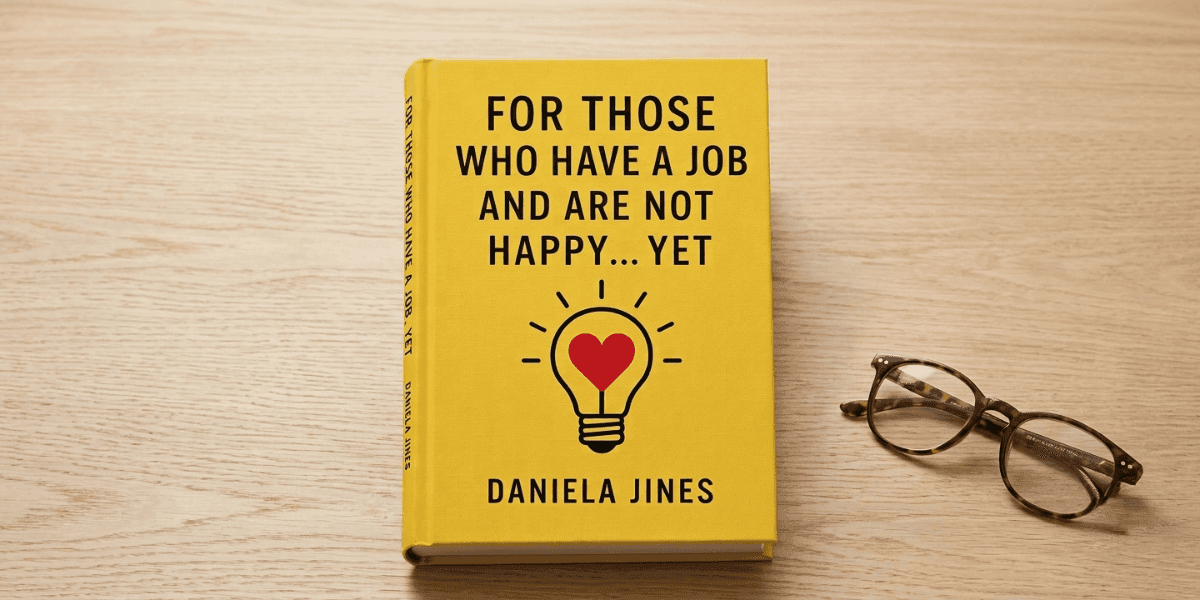
Her insights have been translated into practical guidance through her book, For Those Who Have a Job and Are Not Happy... Yet. Drawing on decades of research, consulting experience, and cross-cultural learning, the book offers tools and strategies that help both leaders and employees rethink how workplaces can be intentionally designed.
Rather than presenting abstract theories, it provides actionable steps that can be applied in real-world settings, making it accessible to a wide audience.
A More Intentional Future of Work
Ultimately, Jines’ work serves as a reminder that organizations have a profound influence on how people experience work every day. By approaching workplace culture with intention and care, they can create environments where individuals feel valued, engaged, and empowered.
In doing so, they not only enhance performance but also contribute to a more positive and sustainable future of work.
Continue Exploring the Future of Work
To learn more about Daniela Jines and Happy Organizations, visit Daniela Jines . Happy Organizations Connect with her on LinkedIn and follow her on Instagram.
Readers interested in For Those Who Have a Job and Are Not Happy... Yet can find the book through Barnes & Noble.