
Trade Battles, China Diplomacy, and Economic Strain Put Washington on Edge
The political and economic pressures facing the United States intensified this weekend as the Trump administration confronted another legal setback on trade policy, growing voter anxiety over the economy, and rising geopolitical uncertainty ahead of a high-stakes summit with China. Developments across Washington reflected a broader struggle over executive authority, inflation concerns, and America’s role abroad as the administration moves deeper into its second year.
Federal Trade Court Delivers Another Blow to Trump Tariff Strategy
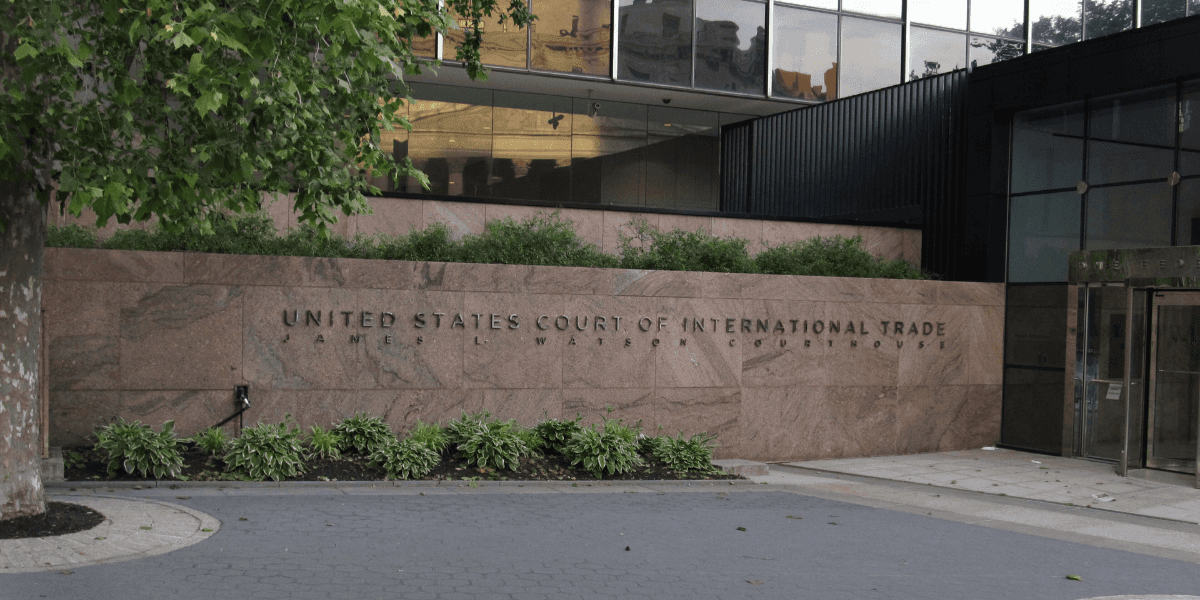
A federal trade court in New York ruled this week that President Trump’s newer 10 percent global tariffs were unlawful, marking another significant legal defeat for the administration’s trade policy. The ruling came only months after the U.S. Supreme Court struck down many of Trump’s earlier tariffs imposed under emergency powers authorities.
The Court of International Trade concluded that the administration had improperly used Section 122 of the Trade Act of 1974, which permits temporary tariffs only under narrow balance-of-payments emergencies. Judges determined that the government had not demonstrated the type of economic crisis required under the statute. Businesses and several states that challenged the tariffs argued the measures exceeded presidential authority and imposed major financial burdens on importers.
The administration has already signaled plans to appeal and is exploring other legal mechanisms for future tariffs. Still, the rulings have intensified debate over the limits of executive power in trade policy and raised new questions about how the White House intends to pursue its economic agenda moving forward.

Photo Credit: Peter Bond/Unsplash
Economic Anxiety Deepens Ahead of Midterms
New national polling released Sunday suggested growing public dissatisfaction with the administration’s handling of the economy and inflation. A Financial Times–Focaldata survey found that nearly 58 percent of registered voters disapprove of Trump’s management of inflation and living costs, while a majority also expressed dissatisfaction with his broader economic policies.
The poll also indicated widespread skepticism toward the administration’s tariff strategy. More than half of respondents said tariffs have harmed the economy, reflecting concerns about consumer prices and market instability. The findings arrive as fuel prices remain elevated amid continuing tensions in the Middle East and uncertainty in global energy markets.
At the same time, other polling showed the president retaining support on select issues, including deportation of violent undocumented immigrants and certain law-and-order policies. Even so, economic concerns appear to be overshadowing many of those advantages as both parties begin positioning for November’s congressional elections.
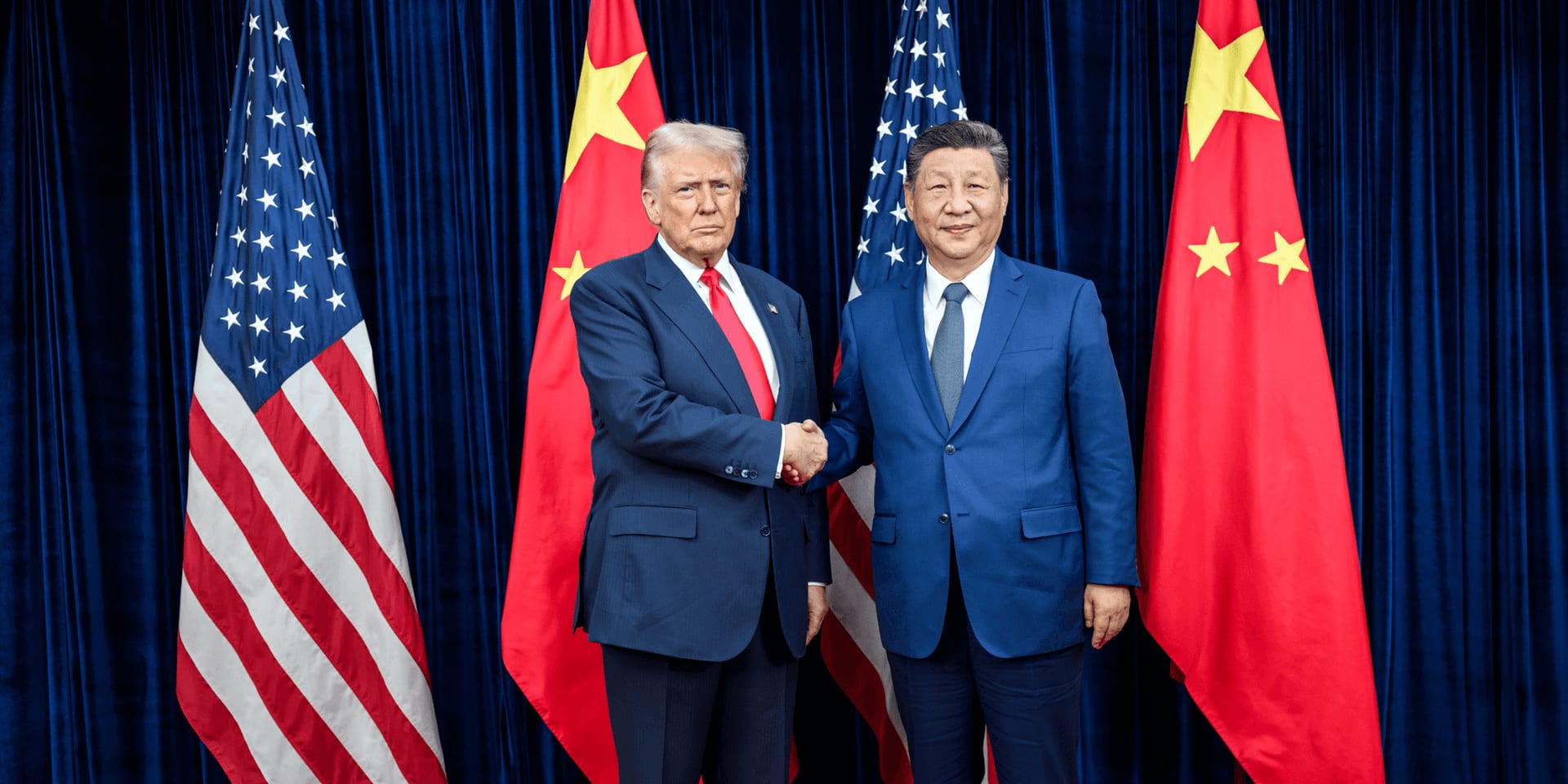
President of the United States Donald Trump greets General Secretary of the Chinese Communist Party Xi Jinping before a bilateral meeting in South Korea, October 30, 2025
Photo Credit: The White House/Wikimedia
Trump Prepares for High-Stakes China Summit
International attention increasingly turned toward President Trump’s upcoming summit with Chinese President Xi Jinping in Beijing, expected to be one of the most consequential diplomatic meetings of Trump’s second term. The summit comes amid heightened tensions involving trade disputes, Taiwan, and the ongoing fallout from conflict involving Iran.
According to reports, both governments are seeking economic and strategic concessions. U.S. officials are expected to push for expanded Chinese purchases of American goods and improved access for U.S. companies, while Beijing is reportedly seeking relief from export controls and softer rhetoric surrounding Taiwan.
The meeting is also unfolding against a politically delicate backdrop at home. Critics in Washington, including some Republicans, have expressed concern that Trump could offer concessions to secure symbolic diplomatic victories ahead of the midterm elections. Analysts say the summit may reveal whether the administration intends to prioritize strategic competition with China or pursue a more transactional approach focused on short-term economic agreements.
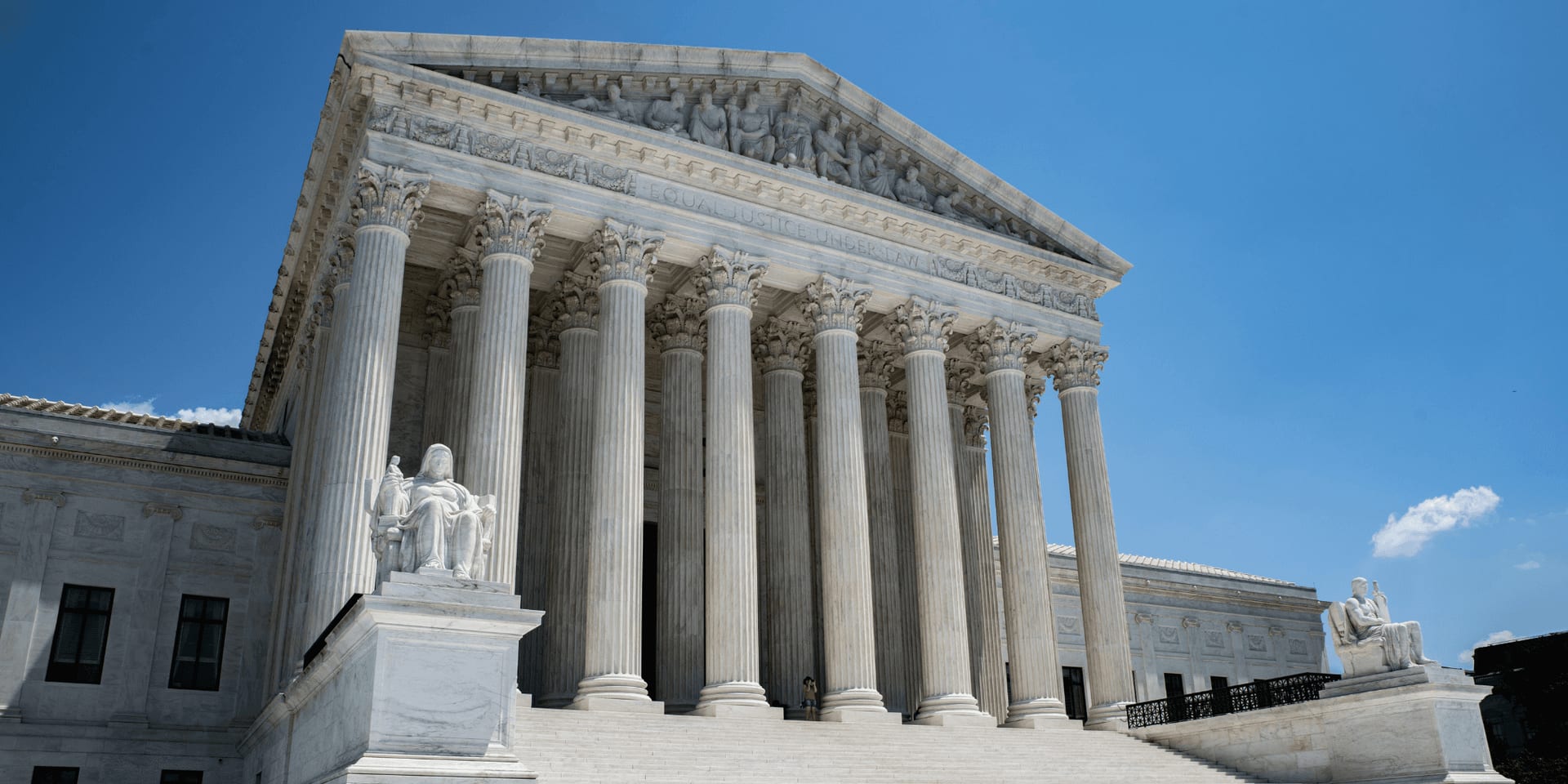
Photo Credit: mana5280/Unsplash
Supreme Court Decisions Continue to Reshape Executive Power Debate
The legal battles over tariffs have become part of a broader constitutional debate over presidential authority. Earlier this year, the Supreme Court ruled 6–3 that the International Emergency Economic Powers Act did not authorize the president to impose sweeping tariffs without congressional approval. The decision represented one of the most consequential judicial checks on executive economic power in recent years.
Legal scholars and policy analysts argue the ruling could have implications extending beyond tariffs. Several experts noted that the Court’s reasoning reinforced Congress’s constitutional authority over taxation and revenue measures, potentially limiting future administrations from relying on expansive emergency powers in economic policy.
The decisions have also revived discussions on Capitol Hill about whether Congress should reclaim a larger role in trade policy after decades of expanded executive authority under both Republican and Democratic administrations.
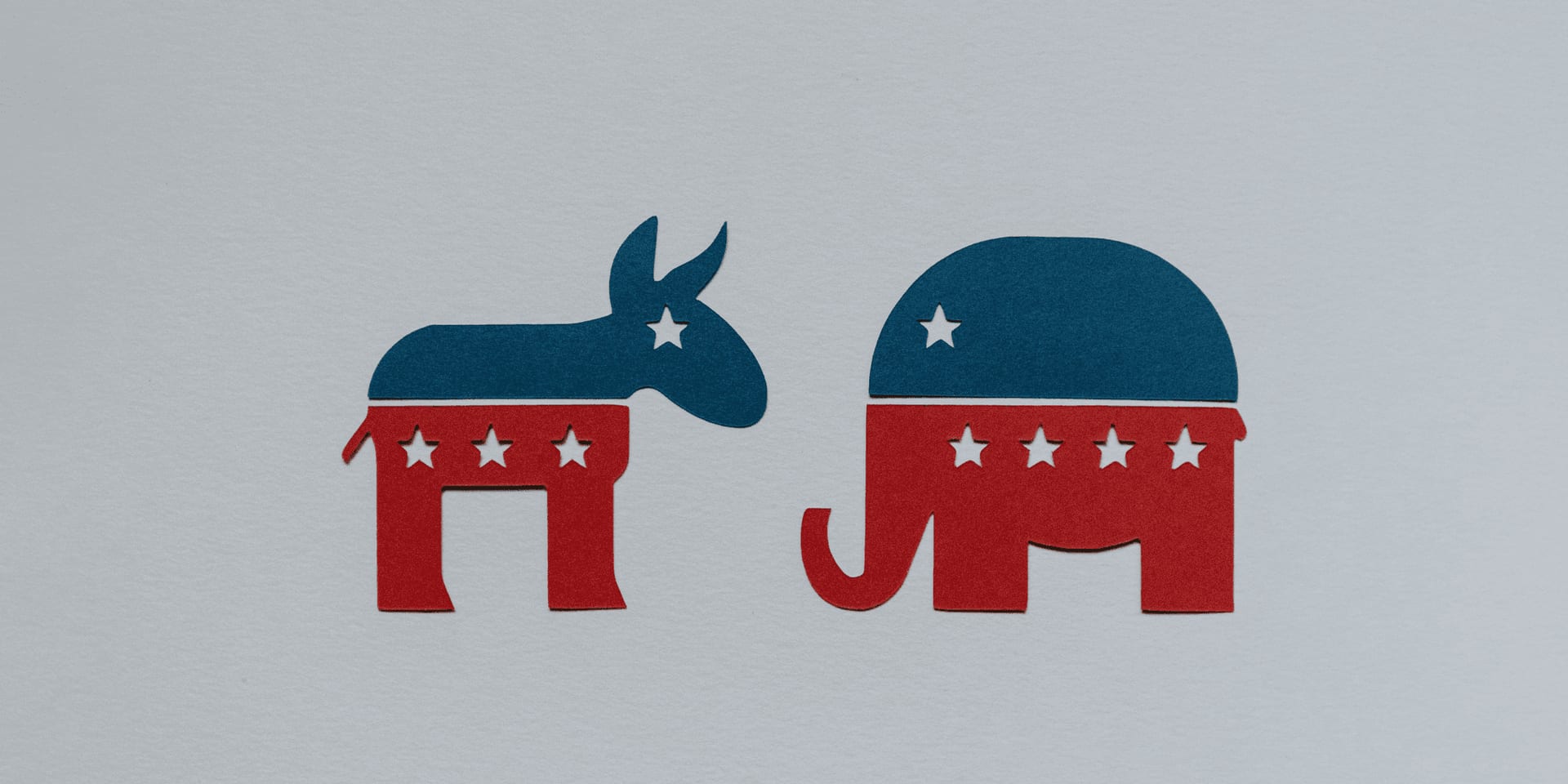
Photo Credit: Kelly Sikkema/Unsplash
Political Landscape Shows Signs of Intensifying Polarization
As economic and foreign policy pressures mount, the political environment remains sharply divided. Polling released this week suggested Democrats currently hold a modest advantage in congressional preference among registered voters, while Republicans continue to maintain strength on immigration and security-related issues.
The administration’s handling of foreign policy, particularly tensions involving Iran and China is emerging as another potential vulnerability. Surveys cited this weekend showed significant public concern over military escalation abroad and uncertainty about the long-term economic effects of ongoing geopolitical conflicts.
At the same time, Trump remains a dominant figure within Republican politics, with the White House emphasizing tax cuts, deregulation, and aggressive trade negotiations as central pillars of its agenda heading into the second half of 2026.
Looking Ahead
In the coming days, attention will focus heavily on the expected Trump-Xi summit and whether the administration can stabilize both economic confidence and international alliances amid rising global tensions. Legal appeals over the tariff rulings are also likely to accelerate, potentially setting up another major showdown over presidential authority and trade policy.
Meanwhile, with midterm campaigns beginning to intensify, economic conditions, especially inflation, energy prices, and trade uncertainty, are expected to remain at the center of the national political conversation.