
Trump Heads Into China Summit, Democrats Secure Senate Majority as U.S. Loses Measles-Elimination Status and Technology Outages Raise Concerns
President Donald Trump arrived in China for high-stakes talks with Chinese President Xi Jinping and Russian President Vladimir Putin, as Washington navigated growing concerns over technology disruptions affecting critical American infrastructure. At home, Democrats secured a decisive Senate majority following a closely watched Alaska election, while federal health officials confronted a major public health setback after the United States lost its measles-elimination status for the first time in 26 years. Meanwhile, lawmakers questioned a multibillion-dollar aviation modernization proposal, and renewed military exchanges involving Iran threatened shipping security in the strategically important Strait of Hormuz.
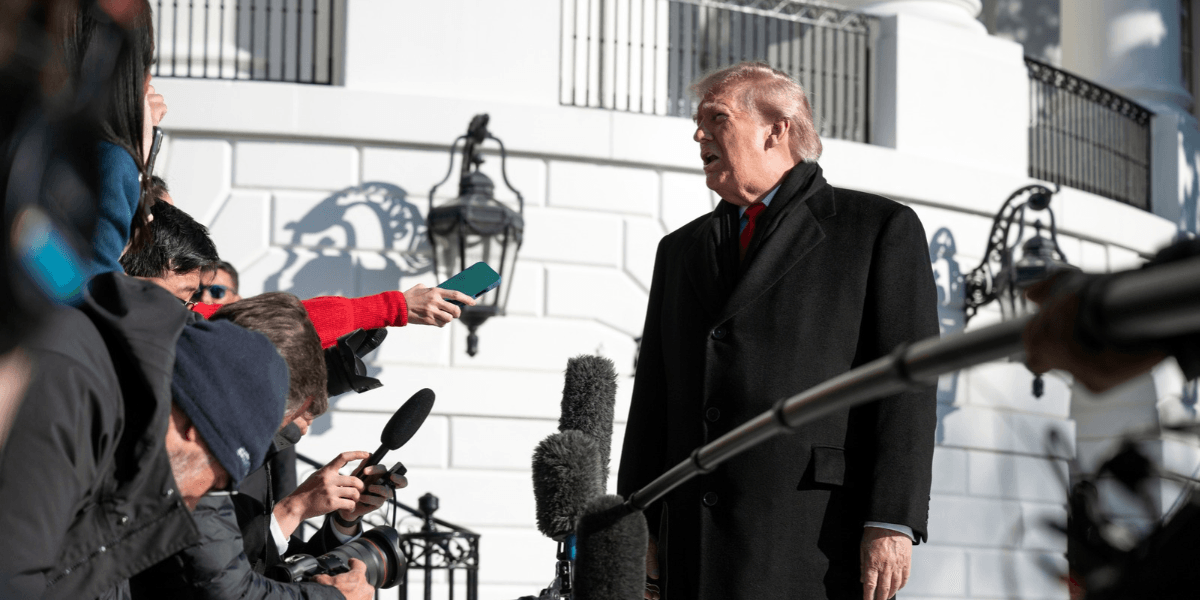
Trump Arrives in China for Talks With Xi and Putin as Trade, Ukraine and Nuclear Security Take Center Stage
President Donald Trump arrived in China on Wednesday ahead of a closely watched meeting with Chinese President Xi Jinping and Russian President Vladimir Putin, bringing together the leaders of three major military and economic powers at a time of heightened geopolitical uncertainty. The planned discussions, taking place alongside the Asia-Pacific Economic Cooperation summit, are expected to address trade restrictions, technological competition, the war in Ukraine and the possibility of renewed nuclear arms-control negotiations. The meeting represents an unusual diplomatic opportunity, although significant differences between Washington, Beijing and Moscow remain unresolved.
The summit comes as the United States seeks to reinforce its technological and economic position in Asia while maintaining pressure on Russia over Ukraine. China has resisted proposals to enter nuclear arms-control arrangements on the same terms as Washington and Moscow, arguing that its smaller arsenal makes such restrictions inequitable. Russia, meanwhile, has indicated greater interest in bilateral discussions with the United States than in a broader three-way agreement. Trump has suggested that nuclear security could become part of the agenda, but no substantive agreement has been announced.
Before arriving in China, Trump visited the Philippines, where he met President Ferdinand Marcos Jr. and announced a major bilateral trade agreement alongside expanded defense cooperation. He also participated in a meeting of the Quad security partnership with leaders from Australia, India and Japan, emphasizing cooperation across the Indo-Pacific. The diplomatic activity underscores Washington's effort to maintain regional alliances while negotiating directly with Beijing. Attention now turns to Thursday's discussions, where any commitments involving trade, military communication or future negotiations could carry implications well beyond the Asia-Pacific region.
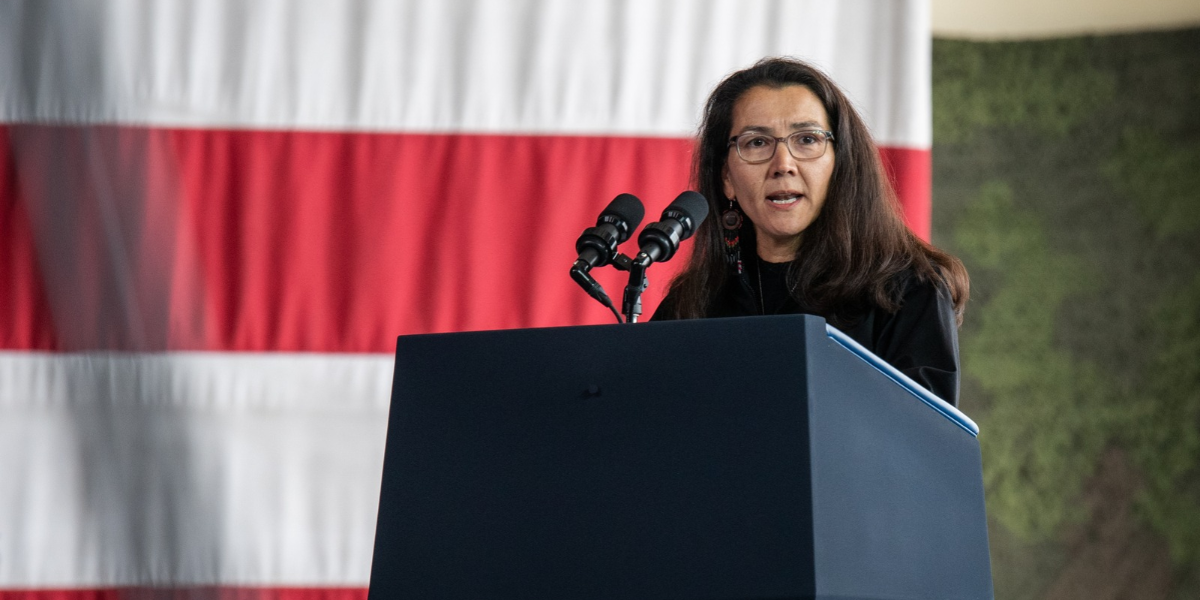
Democrats Secure 56-Seat Senate Majority After Mary Peltola Wins Alaska Race
Democrat Mary Peltola defeated incumbent Republican Sen. Dan Sullivan in Alaska, completing the final unresolved Senate contest from the November midterm elections and giving Democrats a 56-44 majority when the new Congress convenes in January. The victory marked the party's ninth Senate seat gained in the election cycle and significantly strengthened its position heading into the second half of President Trump's term. Peltola, a former U.S. representative from Alaska, emerged victorious after a closely watched contest that remained undecided for approximately two weeks following Election Day.
The outcome carries substantial consequences for the balance of power in Washington. A 56-seat majority would give Democrats greater control over Senate committees, legislative scheduling, confirmation proceedings and congressional oversight. The party would also have additional flexibility to manage internal disagreements while advancing legislation or reviewing executive-branch appointments. The new balance could intensify scrutiny of administration officials, particularly as congressional Democrats prepare investigations into national security decisions, government operations and other executive actions.
The Alaska race is also facing continued examination over allegations that individuals associated with Peltola's campaign helped recruit another candidate to influence the outcome. Peltola has denied the allegations, and the investigation remains unresolved. The election result nevertheless establishes a new political landscape for the incoming Congress. In the immediate term, attention will focus on the remaining legislative business of the current session and the leadership, committee and oversight decisions awaiting senators in January.

United States Loses Measles-Elimination Status After 26 Years as Outbreaks Expose Vaccination Gaps
The United States has officially lost its measles-elimination status after more than a year of continuous transmission, marking a major reversal in the country's public health record. The Pan American Health Organization announced the decision on Tuesday, November 17, ending a designation the United States had maintained since 2000. More than 5,400 measles cases have been reported nationwide in 2026, the highest annual total in more than three decades. Pennsylvania alone has recorded more than 1,500 cases, illustrating the scale of outbreaks affecting communities with insufficient vaccination coverage.
The decision reflects growing concern about declining immunization rates and the resurgence of a disease that public health authorities had previously brought under sustained control. National measles, mumps and rubella vaccination coverage among kindergarten students has fallen to approximately 92.4%, below the roughly 95% threshold generally needed to prevent widespread transmission. Measles is among the most contagious infectious diseases, spreading through the air and potentially causing pneumonia, brain inflammation and death. The loss of elimination status does not mean measles has become permanently established in the United States, but it confirms that public health efforts have failed to interrupt sustained transmission.
Health and Human Services Secretary Robert F. Kennedy Jr. said the administration intends to close vaccination gaps and restore the country's elimination designation. The administration has reported providing $100 million to affected health departments, although Kennedy's broader changes to federal vaccine policy have drawn criticism from medical experts concerned about public confidence in immunization. Centers for Disease Control and Prevention Director Erica Schwartz said the designation change would not alter the federal response and emphasized vaccination as the principal means of preventing further outbreaks. The Pan American Health Organization has requested renewed elimination plans from the United States, Mexico and Bolivia, which also lost their designations. Restoring the status will require stopping continuous transmission for at least 12 months.
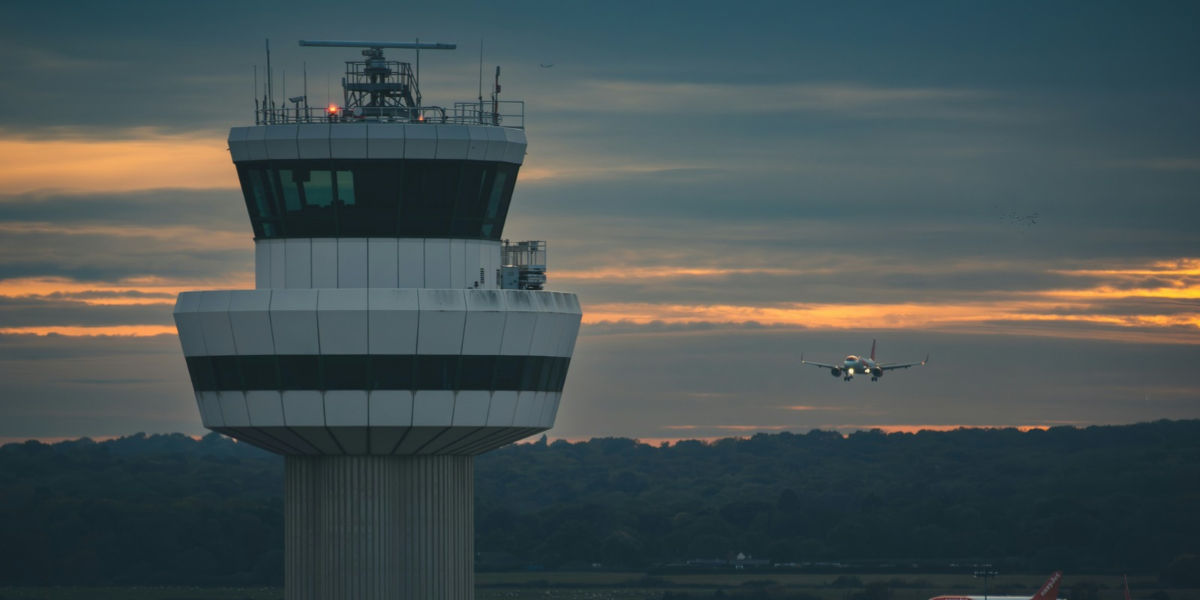
Technology Failures Disrupt U.S. Infrastructure as Congress Questions $50 Billion Aviation Modernization Plan
A series of technology outages affecting major American institutions has raised concerns about the resilience of critical infrastructure, with disruptions reported across aviation, financial services, commercial technology platforms and federal communications systems. Problems involving Microsoft services, JPMorgan Chase and the Federal Aviation Administration have been followed by an outage affecting an internal classified communications network used by National Security Agency personnel. The incidents have attracted particular attention because of their proximity in time, although federal officials have cautioned against assuming that they share a common cause.
Secretary of State Marco Rubio said Wednesday that authorities had found no evidence linking the disruptions or indicating that foreign governments, criminal organizations or other malicious actors were responsible. His comments came as federal agencies continued investigating the individual incidents. The aviation disruption has received especially close scrutiny after a nationwide ground stop caused extensive flight delays and cancellations. Investigators have focused on a network equipment installation in Arkansas that contributed to communications and radar-system overloads during the FAA's transition from older copper infrastructure to fiber-optic technology.
The FAA has suspended additional installations of the affected Juniper networking equipment and temporarily returned to older Cisco systems while investigators work to establish the underlying cause. The agency has reproduced the technical failure but has not identified its definitive root cause. The disruption has also renewed debate over the cost and pace of aviation infrastructure modernization. Transportation Secretary Sean Duffy has requested approximately $50.1 billion from Congress for aviation improvements, including roughly $10 billion for air traffic control modernization. Lawmakers from both parties have questioned whether the entire proposal is necessary for immediate safety improvements, while generally recognizing the need to replace aging systems. Financial analysts have estimated that the disruption and subsequent recovery could cost the four largest U.S. airlines a combined $345 million. Congressional hearings and the FAA's technical investigation will determine how quickly modernization efforts can resume and whether additional safeguards are required.

U.S.-Iran Military Exchanges Intensify as Strait of Hormuz Shipping Faces Renewed Threats
Military tensions in the Middle East escalated Tuesday and Wednesday as American forces struck an Iranian military target on Qeshm Island in the Strait of Hormuz, following reported Iranian attacks against facilities used by U.S. forces in neighboring Gulf states. American military officials said U.S. aircraft targeted an Iranian missile launch site, while Iran's Revolutionary Guard claimed responsibility for an earlier strike against a military installation in Bahrain. Iranian forces also announced drone operations targeting U.S. military facilities at Kuwait's Ali Al Salem Air Base. Kuwaiti authorities reported intercepting hostile drones but did not confirm that the installation had been struck.
The latest exchanges threaten to destabilize an already fragile regional security environment following months of conflict involving Iran and the United States. Although the intensity of direct fighting has declined since the war began in late February, no comprehensive peace agreement has been reached. Washington continues to maintain restrictions against Iranian maritime trade, while Tehran has sought to challenge commercial navigation through the Strait of Hormuz. The narrow waterway is one of the world's most important energy transportation corridors, carrying substantial volumes of internationally traded oil and liquefied natural gas. Continued military activity in the area creates risks for shipping companies, energy producers and countries dependent on Gulf exports.
The confrontation has also expanded beyond direct U.S.-Iran exchanges. Bahrain reported intercepting additional Iranian aerial attacks early Wednesday, while the United Arab Emirates' state oil company reported an attack on one of its vessels in the strait that left one crew member missing and 11 injured. Separately, Saudi-backed forces launched major airstrikes against Houthi-controlled areas of Yemen, targeting suspected missile storage facilities and drone workshops. Houthi authorities reported at least 17 deaths, while Saudi defenses intercepted missiles directed toward Riyadh. The overlapping incidents underscore the difficulty of containing regional hostilities while diplomatic efforts remain stalled. The immediate focus is on preventing additional attacks against commercial vessels and military installations, with negotiations over maritime access and regional security still facing significant obstacles.
Looking Ahead
Thursday's planned meeting between Trump, Xi and Putin will be the most closely watched diplomatic event, with attention focused on whether the three leaders can establish a framework for further discussions on nuclear security, trade restrictions and the war in Ukraine. In Washington, the consequences of the midterm elections will become clearer as congressional leaders prepare for the incoming Senate majority and potential changes in oversight priorities. Federal investigators are also expected to continue examining the recent technology disruptions, while lawmakers consider whether to prioritize emergency aviation infrastructure upgrades within the administration's broader funding request.
Public health officials face the immediate challenge of containing measles outbreaks and developing a credible path toward restoring elimination status. In the Middle East, further military exchanges or disruptions to commercial shipping through the Strait of Hormuz could have consequences for global energy markets and regional security. Together, these developments leave policymakers confronting several unresolved questions involving international diplomacy, domestic infrastructure, public health and economic stability as the week progresses.