
Trump, Putin and Xi Prepare for Landmark Summit as Ukraine Peace Talks, Supreme Court Asylum Case and Measles Crisis Draw Attention
President Donald Trump prepared for a high-stakes meeting with Russian President Vladimir Putin and Chinese President Xi Jinping as Washington pursued new discussions on nuclear arms control and international security. Meanwhile, Ukrainian President Volodymyr Zelenskyy challenged emerging U.S. proposals for a European security settlement, and the Supreme Court agreed to review the administration’s restrictions on asylum at the southern border. In public health, the United States faced a historic setback after losing its measles-elimination status, while airlines continued recovering from a nationwide aviation shutdown that stranded travelers and disrupted thousands of flights.
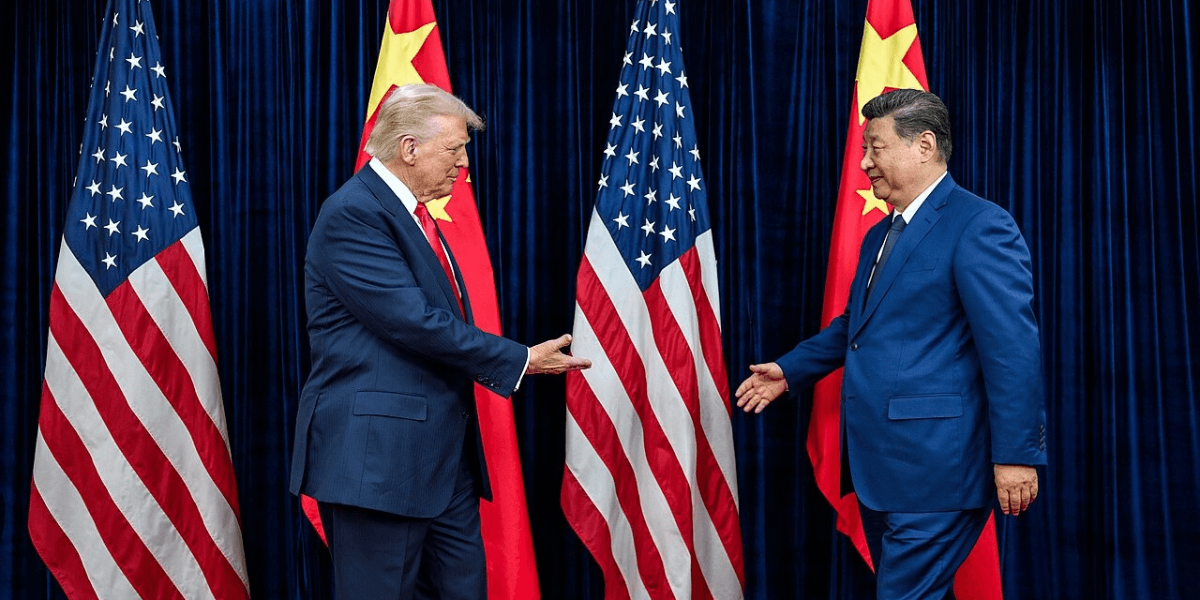
Trump, Putin and Xi Prepare for Unprecedented Three-Way Meeting on Nuclear Arms and Global Security
President Donald Trump is preparing to meet Russian President Vladimir Putin and Chinese President Xi Jinping on Thursday, November 19, during the Asia-Pacific Economic Cooperation summit in Shenzhen, China. The White House confirmed plans for the gathering Friday, with the Kremlin confirming them Saturday. The meeting would bring together the leaders of the world's three largest geopolitical and nuclear powers in an unusual diplomatic format, at a time of continuing tensions over Ukraine, the Middle East, international trade and the future of nuclear arms agreements.
A central subject is expected to be Trump's proposal for a broader nuclear arms-control arrangement involving all three countries. The last major U.S.-Russia strategic nuclear weapons treaty, New START, expired in February 2026, removing longstanding treaty limits on the world's two largest nuclear arsenals. Trump has argued that a replacement agreement should include China, whose nuclear capabilities have expanded significantly in recent years. The United States and Russia each possess thousands of nuclear warheads, while Pentagon estimates place China's arsenal at more than 600. Bringing Beijing into a new agreement would represent a substantial change from previous bilateral arrangements, although differences in arsenal sizes and national security priorities remain significant obstacles.
The planned summit also comes amid uncertainty surrounding the U.S. conflict with Iran. Reuters reported Saturday that Trump had told senior advisers he was considering refraining from additional military strikes unless Tehran or Iran-backed Houthi forces carried out new provocations. The president has not announced a final decision, and the administration continues to weigh military and diplomatic options. U.S. officials have indicated that Iran and nuclear arms control are likely to feature in the Shenzhen discussions, while expectations for immediate agreements remain limited. The meeting's significance will depend largely on whether the three governments establish a framework for further negotiations rather than simply exchanging positions on existing disputes.
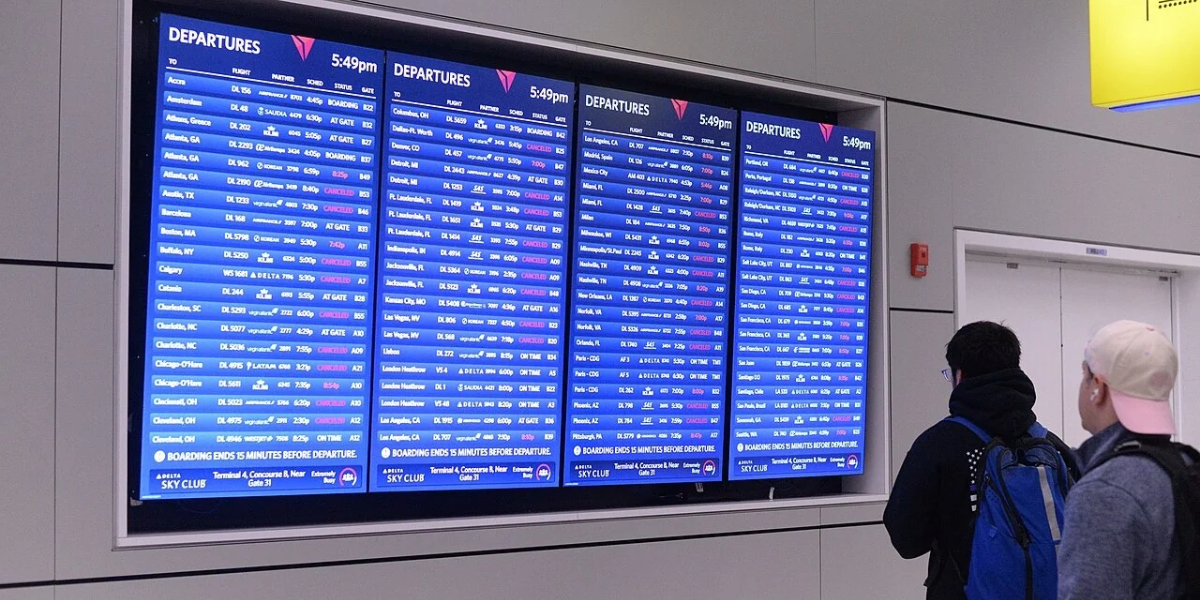
Thousands of Flights Canceled as U.S. Aviation System Recovers From Historic Nationwide Shutdown
Airlines across the United States struggled Saturday to restore normal operations following a sweeping Federal Aviation Administration ground stop that brought much of the nation's air travel system to a standstill Friday. The disruption, described as the longest nationwide flight shutdown since the September 11, 2001, terrorist attacks, exposed vulnerabilities in aging air traffic control infrastructure and left passengers facing widespread cancellations, delays and missed connections.
According to Reuters, airlines canceled nearly 10,000 flights and delayed more than 7,000 on Friday after the FAA suspended departures nationwide for almost five hours. By Saturday morning, more than 3,700 additional flights had been canceled and approximately 2,000 delayed as carriers attempted to reposition aircraft, reorganize crews and accommodate stranded travelers. Although the FAA eventually lifted the ground stop, the scale of the disruption meant that normal schedules could take several days to recover. The interruption also affected professional and college sports teams traveling for weekend competitions.
Transportation Secretary Sean Duffy attributed the shutdown to problems involving communications equipment and network infrastructure within the air traffic control system. Administration officials said newer technology being integrated into the system overloaded older equipment, producing intermittent communications failures and radar-data disruptions. Homeland Security Secretary Markwayne Mullin said investigators had found no indication that the incident resulted from a malicious attack. Duffy renewed calls for substantial federal investment in aviation modernization, including a proposed $50 billion effort to upgrade critical infrastructure. The immediate challenge for airlines remained clearing the backlog, while federal officials faced questions about how a technical failure could produce such extensive nationwide consequences.

United States Loses Measles-Elimination Status After 26 Years as Outbreaks Continue
The United States has lost its designation as a country that eliminated sustained measles transmission, reversing a major public health achievement first recognized in 2000. Researchers familiar with deliberations by the Pan American Health Organization confirmed Saturday that the international health body had determined measles was again spreading continuously within the country. The decision followed a review of outbreaks that persisted for more than 12 months, the threshold used to determine whether a country has reestablished endemic transmission.
The Centers for Disease Control and Prevention has recorded approximately 5,412 measles cases in 2026, more than twice the number reported during 2025 and the highest annual total in more than three decades. More than 590 hospitalizations have been recorded, with at least six deaths reflected in federal figures and additional fatalities reported by state health departments. Pennsylvania has experienced one of the largest outbreaks, reporting more than 1,500 cases. Public health researchers have linked the resurgence to declining immunization coverage and sustained transmission in communities with low vaccination rates. National coverage for the measles, mumps and rubella vaccine among kindergarten students has fallen below the 95% level generally considered necessary to prevent widespread outbreaks.
The loss of elimination status does not mean measles had previously disappeared completely from the United States. Rather, the designation reflected the country's ability to prevent the virus from circulating continuously, even when infections were introduced through international travel. Regaining the designation will require interrupting sustained transmission for at least 12 months and demonstrating that surveillance and outbreak-control measures are effective. PAHO is expected to formally discuss its findings at a November 17 news conference, placing renewed attention on vaccination coverage, disease monitoring and the federal government's response to the resurgence.
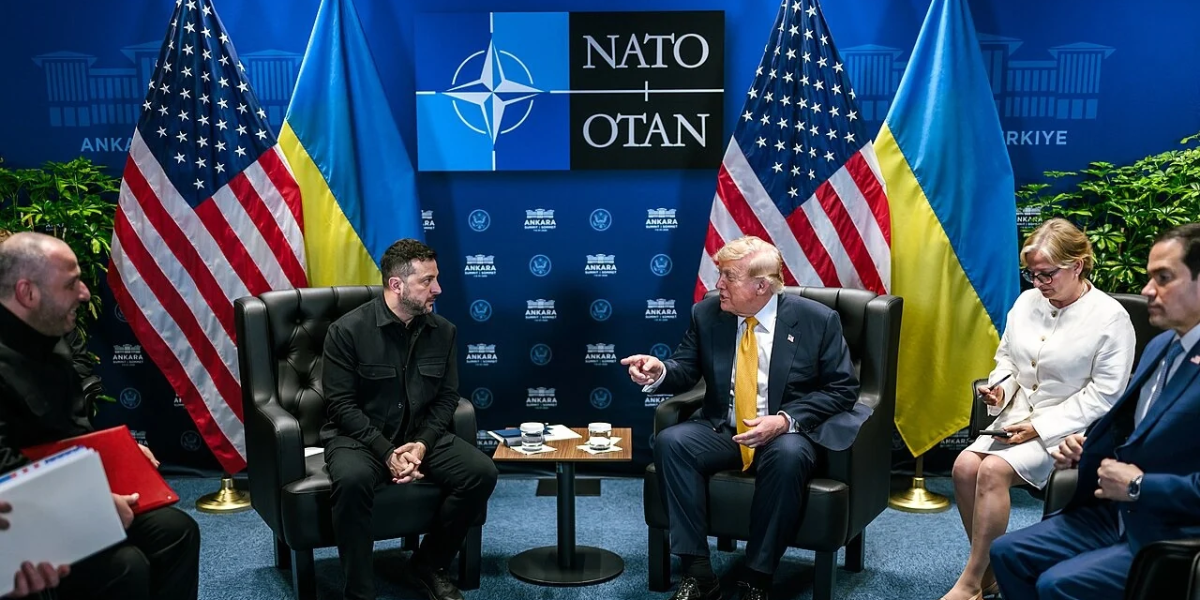
Ukraine Challenges Emerging U.S. Security Proposals as Negotiations With Russia Continue
Ukrainian President Volodymyr Zelenskyy raised concerns Saturday about U.S. proposals for a new European security framework, warning that certain arrangements could advance Russian President Vladimir Putin's longstanding objective of weakening NATO and reshaping Europe's security order. Zelenskyy's comments followed discussions in which American negotiators raised the possibility of linking Ukraine's future NATO membership to a withdrawal from Ukrainian-controlled portions of the eastern Donbas region. The proposal remains under discussion, and no agreement has been announced.
Zelenskyy said Ukraine would not accept a settlement requiring it to surrender territory without credible security guarantees. He also emphasized that European countries must have a central role in determining the continent's postwar security arrangements. The issue presents a difficult diplomatic challenge because Russia continues to oppose Ukrainian NATO membership, while Kyiv regards enforceable security protections as essential to preventing renewed aggression. A potential agreement involving territorial concessions, alliance commitments and reconstruction assistance would require negotiations among multiple governments and could face significant domestic opposition in Ukraine.
Diplomatic discussions have nevertheless produced limited progress on humanitarian issues. Zelenskyy said negotiators had reached an agreement in principle on a prisoner exchange involving approximately 1,200 to 1,300 people on each side, although implementation details remained unresolved. Ukraine has also sought an agreement to halt attacks on energy infrastructure, restore maritime access in the Black Sea and arrange direct talks between national leaders. Russia has resisted a proposed energy ceasefire, according to Ukrainian officials. Fighting continued alongside the diplomatic efforts, including Russian strikes that injured civilians in Zaporizhzhia and Ukrainian attacks on Russian energy and military facilities. The coming days will test whether negotiations can produce practical measures even as the broader territorial and security disputes remain unsettled.
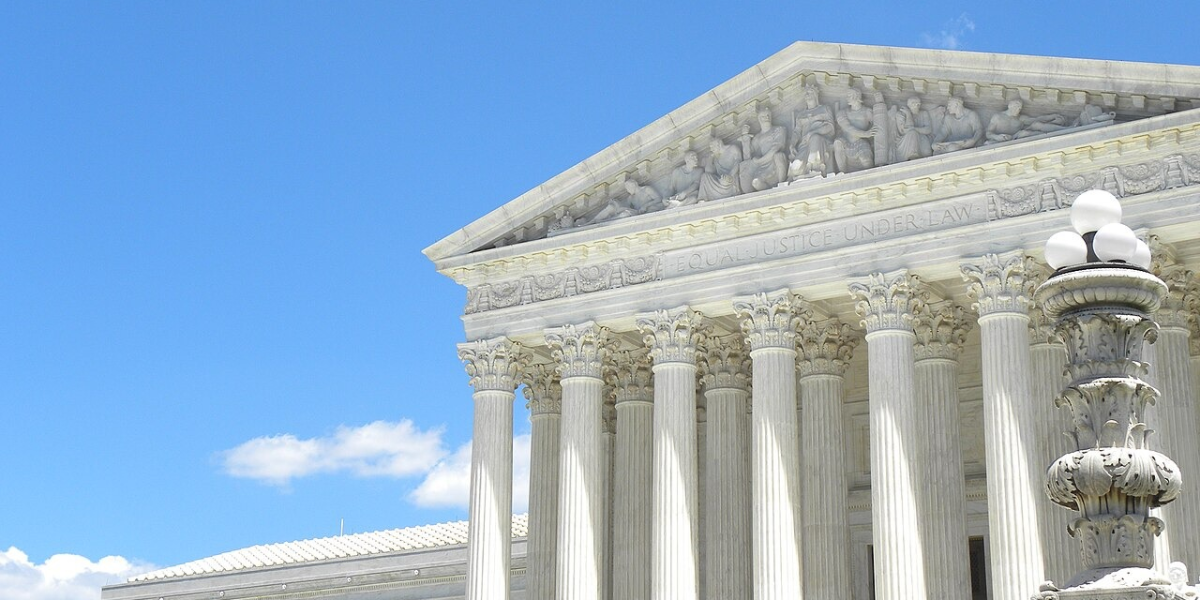
Supreme Court Agrees to Review Trump's Restrictions on Asylum at the Southern Border
The U.S. Supreme Court agreed Friday to hear a major challenge to President Trump's executive order restricting access to asylum at the U.S.-Mexico border, setting up another consequential ruling on the administration's immigration policies. The case concerns whether a president can broadly suspend the ability of certain migrants to apply for asylum despite federal statutes establishing procedures for people seeking protection from persecution. Lower courts found the administration's restrictions unlawful, prompting the federal government to seek Supreme Court review.
The administration argues that the president possesses substantial authority to restrict immigration and that accepting asylum applications from migrants who are ultimately ineligible places unnecessary pressure on federal resources. Government lawyers have pointed to lengthy processing times and the burden created when applicants remain in the country while their cases are considered. Immigration advocates, including attorneys associated with the American Civil Liberties Union and the National Immigrant Justice Center, argue that federal law allows people to seek asylum regardless of how they entered the United States and requires individualized consideration of protection claims. They contend that the executive branch cannot eliminate access to the application process through a blanket restriction.
The dispute is one of several significant immigration cases on the Supreme Court's current docket. The justices are also expected to address questions involving deportations to countries other than migrants' homelands and the length of immigration detention during removal proceedings. The asylum restrictions have remained in effect while litigation continues, making the eventual ruling important for border enforcement practices and the legal rights of people seeking protection. Oral arguments are expected in the coming months, with a decision anticipated by the end of June 2027. The outcome could clarify the boundaries between presidential authority over immigration enforcement and statutory protections established by Congress.
Looking Ahead
Federal aviation officials and major airlines will face continued scrutiny as they work to restore flight schedules and determine what safeguards are needed to prevent another nationwide shutdown. Public health attention will turn to the Pan American Health Organization's expected November 17 announcement on measles elimination, while state and federal agencies assess how to contain ongoing outbreaks. The Supreme Court's immigration docket will remain a significant focus as the justices prepare to consider the administration's asylum restrictions.
Internationally, the November 19 meeting between Trump, Putin and Xi in Shenzhen will be a central diplomatic event, particularly for its potential implications for nuclear arms control and the conflict with Iran. Separate negotiations involving Ukraine and Russia will be closely watched for progress on prisoner exchanges, energy infrastructure protections and security guarantees. The coming week will help establish whether these diplomatic initiatives produce concrete commitments or leave the underlying disputes unresolved.