War Pressures Mount as Protests Surge and Economic Tremors Ripple Across the U.S.
The United States entered the final days of March under intensifying pressure from both global conflict and domestic unrest. A deepening confrontation with Iran is reshaping economic expectations and fueling political tensions at home, while millions of Americans have taken to the streets in protest. Financial markets, policymakers, and communities alike are grappling with the rapidly shifting landscape as uncertainty defines the national mood.

By
Mar 30, 2026
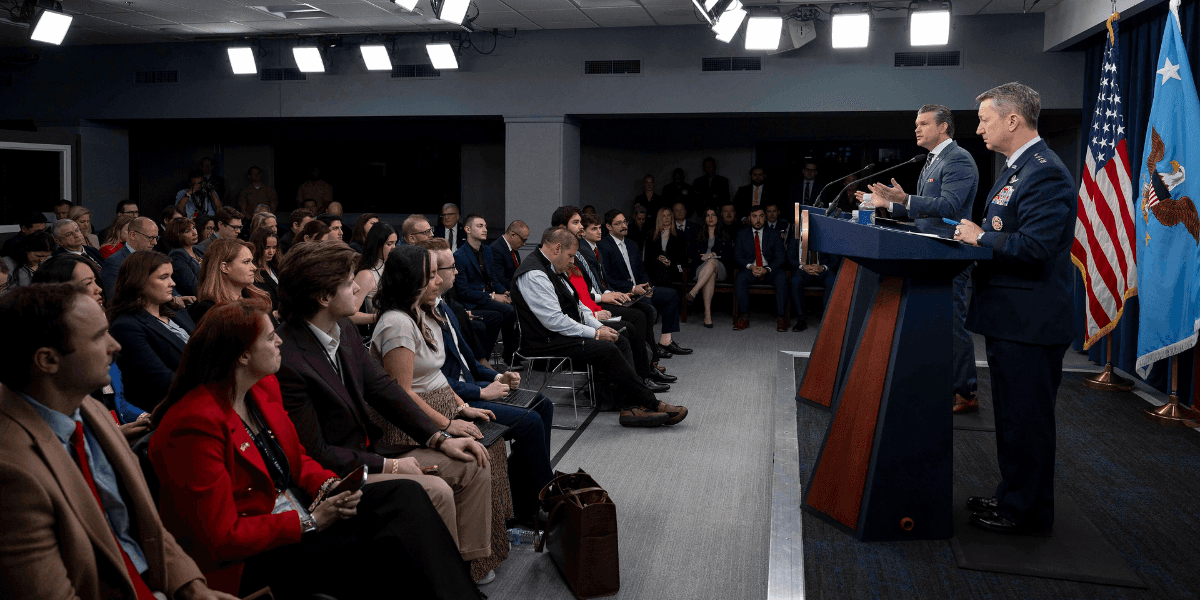
Escalation Fears Grow in U.S.–Iran Conflict
Concerns over a broader U.S. military role in Iran dominated headlines, with reports indicating discussions of potential ground operations and strategic resource control. The conflict has already disrupted global energy markets, pushing oil prices higher and raising fears of prolonged instability in the Middle East.
Diplomatic efforts continue behind the scenes, with international talks exploring cease-fire possibilities and contingency plans for key shipping routes such as the Strait of Hormuz. However, rhetoric from both sides remains tense, and the possibility of escalation continues to weigh heavily on U.S. foreign policy and defense planning.
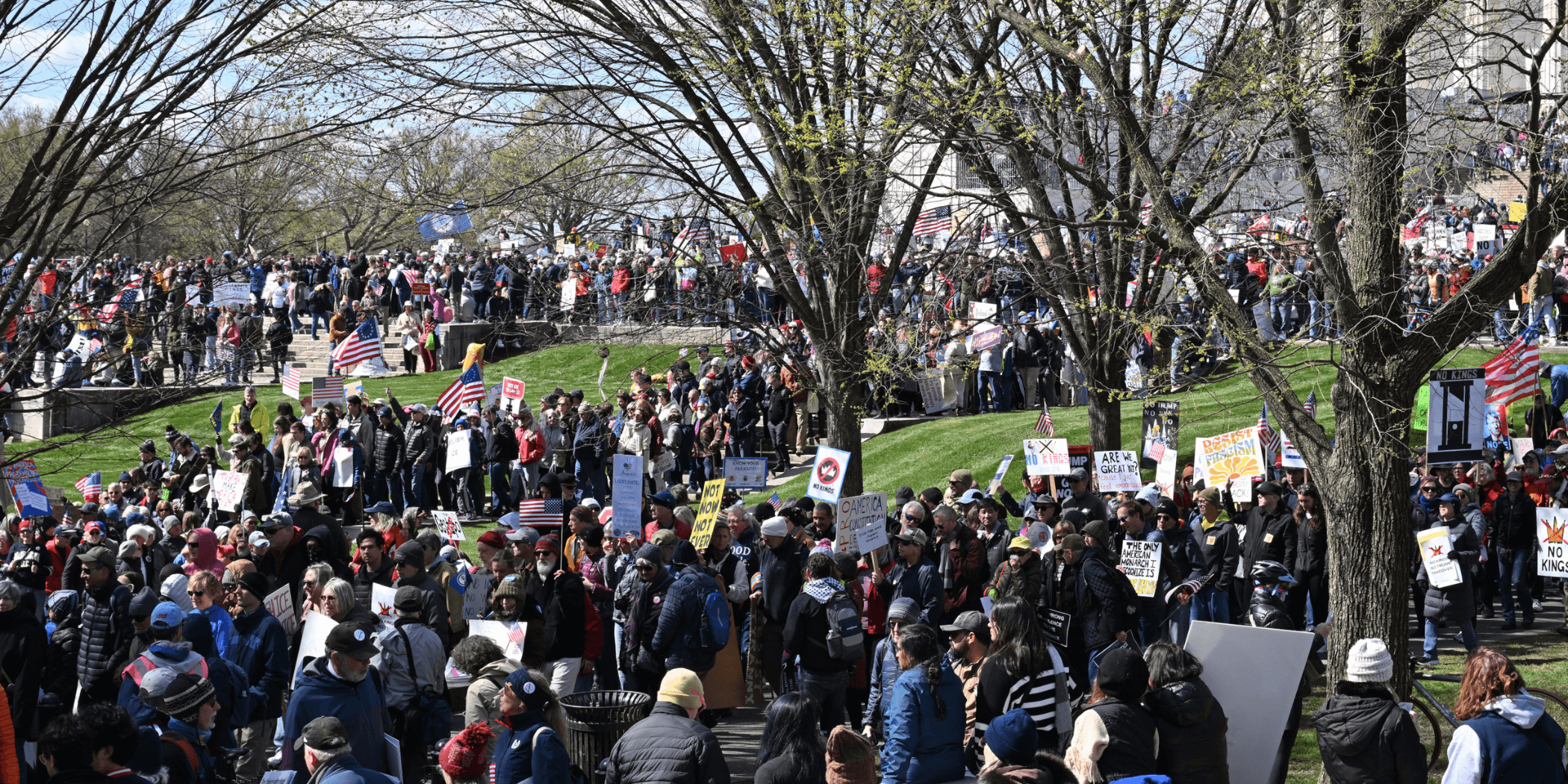
Millions Rally Nationwide in “No Kings” Protests
Across all 50 states, millions of Americans participated in coordinated “No Kings” protests, marking one of the largest single-day demonstrations in recent U.S. history. Protesters voiced opposition to the administration’s war policies, immigration enforcement measures, and broader concerns about executive power.
The demonstrations reflect a widening political divide, with grassroots organizations, labor groups, and advocacy networks mobilizing large-scale turnout. While the administration has largely dismissed the protests publicly, the scale and persistence of the movement signal a significant moment of civic engagement and political pressure.
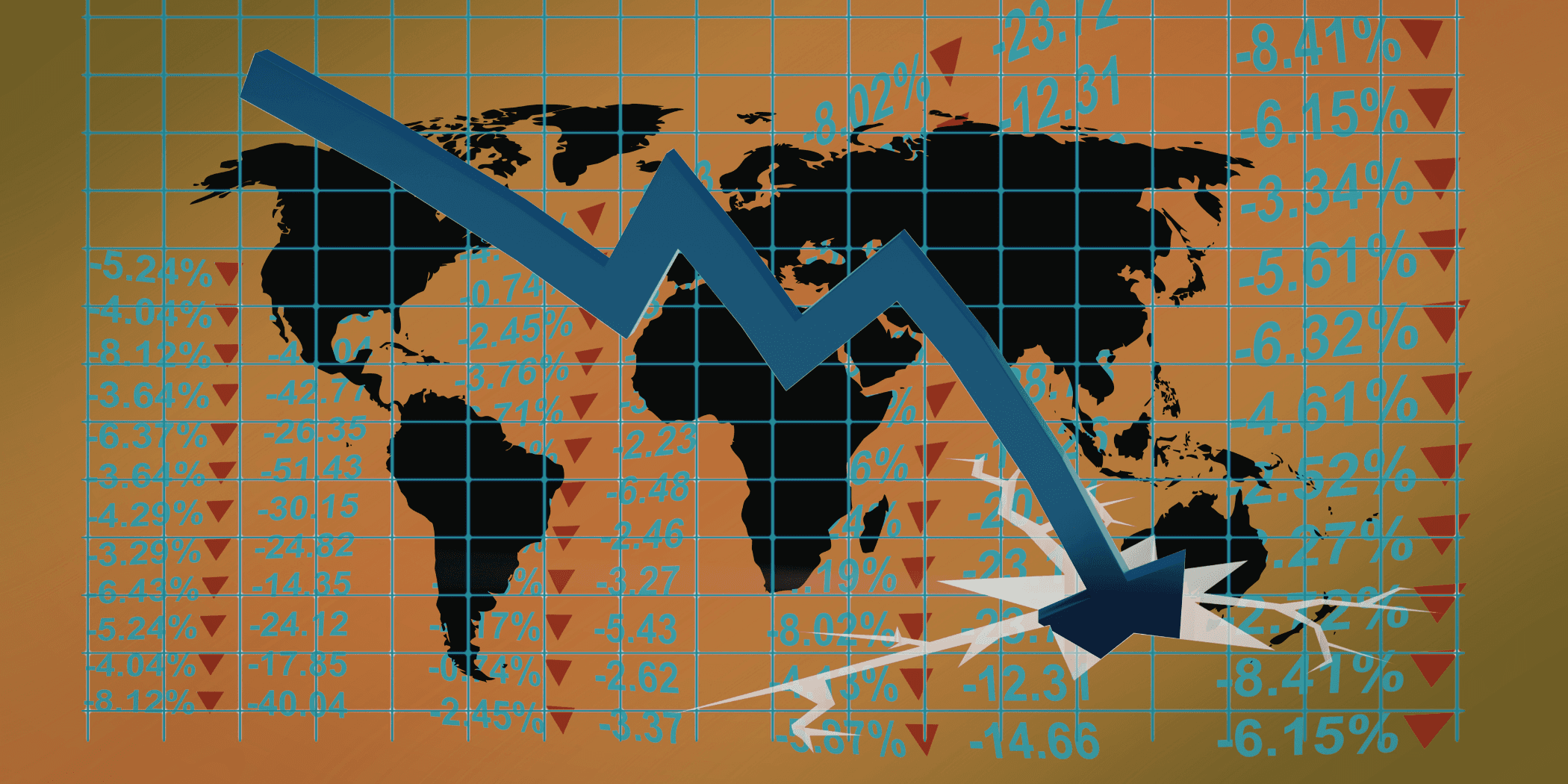
Economic Outlook Darkens Amid War and Instability
Economic indicators shifted sharply in March as geopolitical tensions and domestic fiscal uncertainty disrupted earlier expectations of growth. Analysts now warn of slowing job creation, declining consumer confidence, and heightened recession risks.
Industries such as travel and tourism have been particularly hard hit, with rising fuel costs and operational disruptions leading to cancellations and reduced demand. Economists describe the current moment as a potential inflection point, with the combined effects of war and policy uncertainty reverberating across nearly every sector.

Mortgage Rates Climb as Inflation Concerns Persist
Housing markets are also feeling the strain, with mortgage rates climbing to their highest levels in months. The average 30-year fixed rate rose to approximately 6.56%, reflecting inflationary pressures linked in part to rising energy costs and global instability.
The Federal Reserve now faces a more complicated path forward, balancing the need to control inflation with the risk of slowing economic growth. Borrowers and prospective homebuyers are increasingly cautious, as affordability concerns return to the forefront of the housing market.

Markets Show Volatility Amid Geopolitical Uncertainty
After weeks of losses, U.S. stock futures showed modest gains, though investor sentiment remains fragile. Market activity has been heavily influenced by geopolitical developments, with many investors shifting toward safe-haven assets such as gold and cryptocurrencies.
Corporate developments, including new investments in AI-driven healthcare, offer some signs of innovation and resilience. Still, upcoming economic reports—particularly on jobs and consumer spending—are expected to play a critical role in shaping market direction in the weeks ahead.
Looking Ahead
As April approaches, the trajectory of the Iran conflict will remain the central variable influencing both domestic policy and economic stability. Lawmakers face mounting pressure to respond to public protests while navigating fiscal challenges at home. Meanwhile, key economic data releases and Federal Reserve signals will be closely watched for clues about the nation’s financial outlook.
The convergence of geopolitical tension, economic uncertainty, and widespread civic mobilization suggests that the coming weeks could prove decisive in shaping the direction of the country through the remainder of 2026.