Who Pays for Mold Inspection in New York? A Guide for Tenants, Landlords, Buyers, and Sellers
This guide explains who often has to pay for mold checks in New York. It talks about how things work for tenants, landlords, buyers, and sellers. The text tells you when the cost should be paid by the person who owns the property, and when someone else may need to pay it. It also goes over New York rules about this.
Mold Inspections in New York – Who Pays?
Mold in the home is a big worry. People who rent, own, or want to buy a home in New York think about it a lot. Mold can make you feel bad about your health. You might ask who has to pay for the mold check.
The answer can be different based on what is going on. If you rent, buy, or sell a home, you might wonder who needs to pay for a new york mold specialist. This can change depending on things like building care, how people living there act, or what step you are at in selling or buying the place.
What Is a Mold Inspection and Who Performs It?
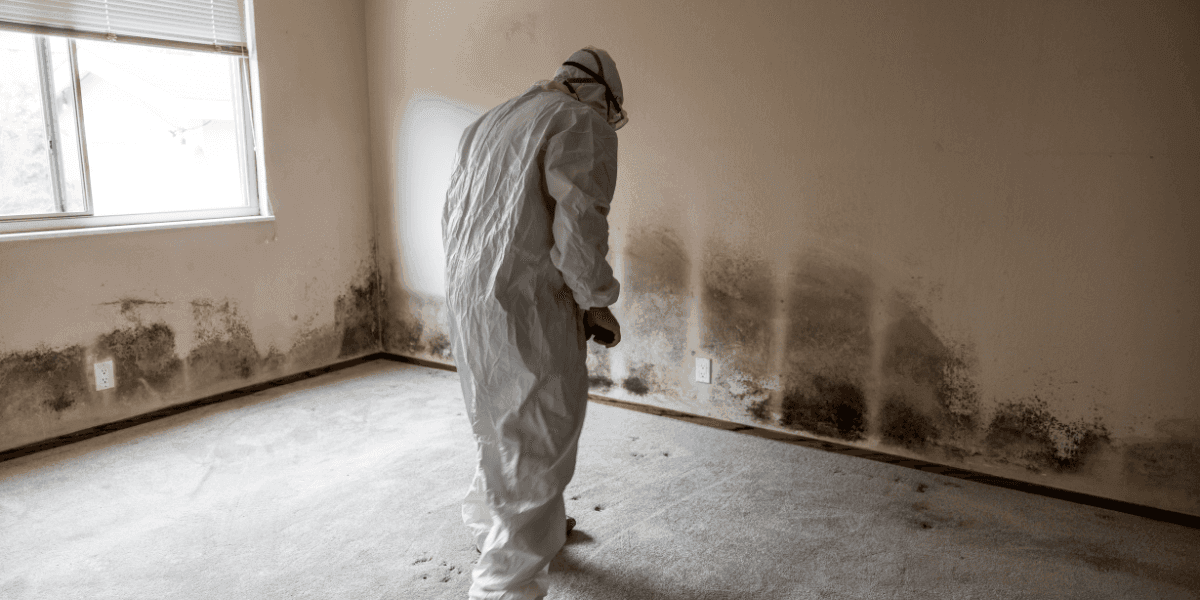
Before we talk about who pays, let's go over what a mold inspection is. In New York, people call a mold inspection a mold assessment. A mold assessment is done by licensed pros called mold assessors.
Mold assessors look for things like water damage, mold growing, and any places where there might be moisture. After they find the issues, they make a plan that shows the steps needed to get rid of mold and stop it from coming back. This is not the same as someone just taking a look, which can be done by the building owner, a building manager, or a home review person.
Who Pays for Mold Inspections in Rentals?
In New York, the person who owns the building needs to make sure the place is safe to live in. The Warranty of Habitability law says that the owner has to keep the home in good shape. If there is mold from things like leaks or bad pipes, the owner has to fix the problem. They also need to pay for someone to check the mold.
New York City Specifics: Local Law 55
In New York City, Local Law 55 says there must be an inspection every year for mold and other indoor allergens in buildings that have several units. If tenants tell the landlord about mold, leaks, or water damage, the landlord has to fix it. Tenants can call 311 for a free inspection from the Housing Preservation and Development (HPD) group. They will check for mold or water damage and can tell a licensed company to fix the problem.
When Tenants Are Responsible for the Cost
Landlords usually look for mold inspection new york related to building problems if they have experience prior leaks or water damage. But people living in the place may need to pay for mold checks if the problem is because of how they live. For example, if there is too much moisture because someone does not use the fan in the bathroom or dries clothes inside, mold can grow. In these moments, people may have to pay for checking for mold on their own.
But if tenants think their landlord is not handling mold problems, they can get an independent mold assessor. If they go to court after this, they might get back the money they spent if the landlord is found to be at fault for the mold issue.
Who Pays for Mold Inspections During Home Sales?
When you buy a home in New York, the buyer usually pays for the mold inspection. Mold inspections are part of the larger home inspection. This happens after you sign the purchase papers. The inspection takes place during the time set for checking the house.
What’s the Difference Between a Home Inspection and a Mold Assessment?
A home inspection shows things you can see, like mold or water damage. A mold check looks deeper, and only someone with the right license can do it. If the home checker finds signs of mold, you can get a licensed mold expert to look at everything closely.
Seller’s Responsibility: Can They Pay for a Mold Inspection?
Usually, the person buying the home pays for mold inspections. But sometimes, a seller might want to check the home for mold first, especially if there were any leaks or mold issues before. This can help the buyer feel good about the home and show that there is no mold before they finish buying it.
Negotiating Mold Inspection Costs in Real Estate Transactions
Sometimes, the buyer and seller talk about who will pay for the mold inspection. If the inspection finds mold, they can agree that the seller will pay for the inspection and fixing the mold. Another way is the buyer may ask for a lower price, so they can pay to fix the mold problem.
When Should Tenants, Landlords, Buyers, and Sellers Get an Independent Mold Inspection?
Tenants: If the person who owns your place will not fix mold problems, says it is your fault without looking for leaks, or just wipes the area clean but the mold comes back again and again.
Landlords: If the people living in your building often say there is a mold problem, or if the building keeps having water issues that do not get fixed the right way.
Buyers: If you think there might be mold because of old water damage, or if someone who checks houses says you should get a mold checkup.
Sellers: If you are trying to sell a house that had mold before, it is a good idea to get an outside checkup done after cleaning up so buyers know the place is in good condition.
FAQs About Mold Inspections in New York
Does My Landlord Have to Pay for Mold Inspection in New York City?
If mold shows up because of building problems like leaks or water getting in, the landlord has to pay for the inspection under the Warranty of Habitability and Local Law 55.
Can a Renter Get Money Back for a Mold Check?
If someone living in a place pays for a check to see if there is mold, the landlord might have to pay them back. This can happen if the check shows that mold is there because of problems in the building. It is most likely when the renter has given written notice to the landlord to tell them about the issue.
Can I Have the Buyer or Seller Pay for a Mold Check When Selling a Home?
The buyer will usually pay for a mold check. But the buyer and the seller can talk about who will pay for the check or removal of mold. If the home had water damage or mold in the past, the seller might pay for the inspection.
The Importance of Professional Mold Inspections in New York
In New York, landlords usually pay for mold checks if the problem comes from something in the building. When people buy a home, the buyer will pay for mold checks to be done at the same time as the home inspection.
No matter if you are a tenant, buyer, seller, or someone who owns a place, it is important to know who has to pay for mold inspections. It is also good to make sure the person checking for mold has a license. This can help clear up fights and show the right steps to fix any problems.
Read our Essential Guide Tenant Rights for Mold Fast Mold Testing
**gives you professional and fair assessments that do not have any conflict of interest. Our team works hard to give you clear reports. These reports can help with rental problems, insurance cases, and when you buy or sell real estate.
Check out our reviews.