
You Did Everything Right: Here’s What Nobody Told You About Sunlight
Robert Did Everything Right, And Still Didn’t Feel Right
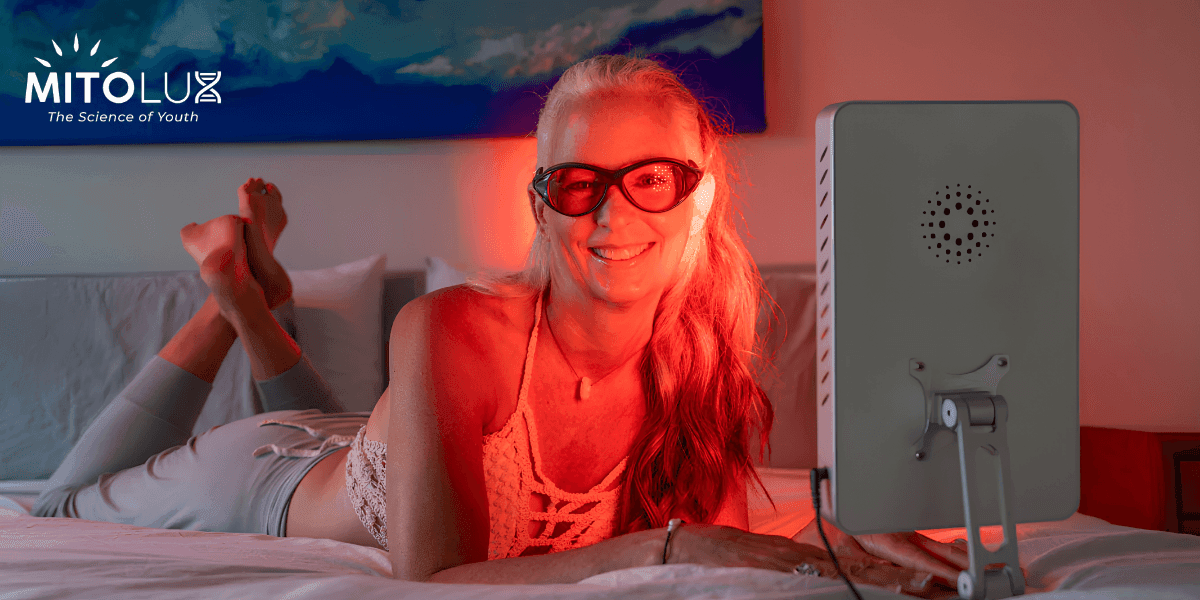
Robert is 63. For more than 20 years, he followed the guidance he was given with consistency and care. He wore SPF 50 every day, avoided peak sun hours, and treated sunlight as something to manage carefully rather than experience freely. By every visible measure, the approach worked. His skin stayed stable, his checkups were routine, and nothing about his habits ever raised concern.
But over time, a different picture began to appear across routine health markers that are not always considered together. His vitamin D levels dropped to 14 ng/mL. His blood pressure eventually required two medications. At 60, bone density scans showed osteopenia, changes that didn’t seem to match how carefully he had managed his health for decades.
Robert did not ignore advice. He followed it closely. What he had never been given was a fuller understanding of tradeoffs, how limiting one environmental exposure can quietly influence other systems over time without an obvious signal pointing back to a cause.
He had removed a daily signal his body depended on, one that supports cardiovascular function, immune response, hormonal balance, and sleep architecture. He didn’t know. No one told him.
For many readers, especially women between 35 and 60 who have spent years following conventional health guidance carefully, this kind of gap can feel familiar. Not as a dramatic failure, but as a quiet question: if I’m doing everything right, why doesn’t everything feel fully aligned?
The Quiet Pattern Many People Recognize
Most health conscious people are not doing anything obviously wrong. They are consistent. They care. They follow widely accepted advice around food, movement, sleep, and prevention. And yet, there are moments when lived experience does not fully match effort.
It is rarely a dramatic breakdown. More often, it appears as a subtle mismatch. Energy feels uneven across the day. Rest does not always feel complete. Focus dips unexpectedly, or mornings feel harder than they used to, despite maintaining the same healthy routines.
In most health conversations, attention goes to individual habits because they are easy to define and measure. What receives far less attention is the environment those habits exist within. Not as background scenery, but as a constant stream of signals the body responds to throughout the day. Among those signals, light may be one of the most consistent, and most overlooked.
When Indoor Life Becomes the Default Environment
Modern routines did not change overnight. They shifted gradually as work, entertainment, and daily responsibilities moved indoors and became structured around fixed schedules and artificial lighting. Today, many people spend most of their waking hours inside environments where light remains relatively stable regardless of the time of day.
That consistency offers convenience, but it also reduces exposure to the changing environmental cues humans historically experienced outdoors. These natural shifts in brightness and wavelength help organize internal timing systems that influence alertness, restfulness, and daily rhythm.
When those cues become limited, the effects are not always obvious in isolation. Instead, people notice indirect patterns. Difficulty fully waking up in the morning. Afternoon fatigue. A sense that their internal rhythm feels slightly disconnected from the structure of their day.
Because these experiences are so common, they are often attributed entirely to stress, workload, or aging. Less often are they connected back to the environment itself and how dramatically it has changed over time.
A Photographer Who Began Looking at Light Differently
Gerardo “Guti” Gutiérrez spent much of his professional life working with light through photography, where even small adjustments in lighting can alter clarity, mood, and perception. Over time, he became increasingly interested in how different indoor environments affect people when natural light is limited or inconsistent for long stretches.
That curiosity evolved into a deeper research process. Over the course of three years, Guti reviewed more than 7,000 peer reviewed studies across photobiology and related scientific disciplines. His goal was not to reduce complex science into a single sweeping conclusion, but to better understand how environmental light is discussed across fields studying human physiology and daily functioning.
He later shared that synthesis in Rewired by Light, a book that translates scientific findings into a broader conversation about modern indoor living. That same perspective eventually informed the development of Mitolux, not as a reinvention of wellness, but as a response to how dramatically human environments have shifted indoors compared to earlier generations.
A Different Approach to Indoor Wellness
Mitolux approaches wellness through environment rather than behavior. Instead of asking people to add more complexity to already crowded routines, the company focuses on the conditions surrounding those routines, specifically how indoor light exposure can better reflect the broader spectrum found in natural sunlight.
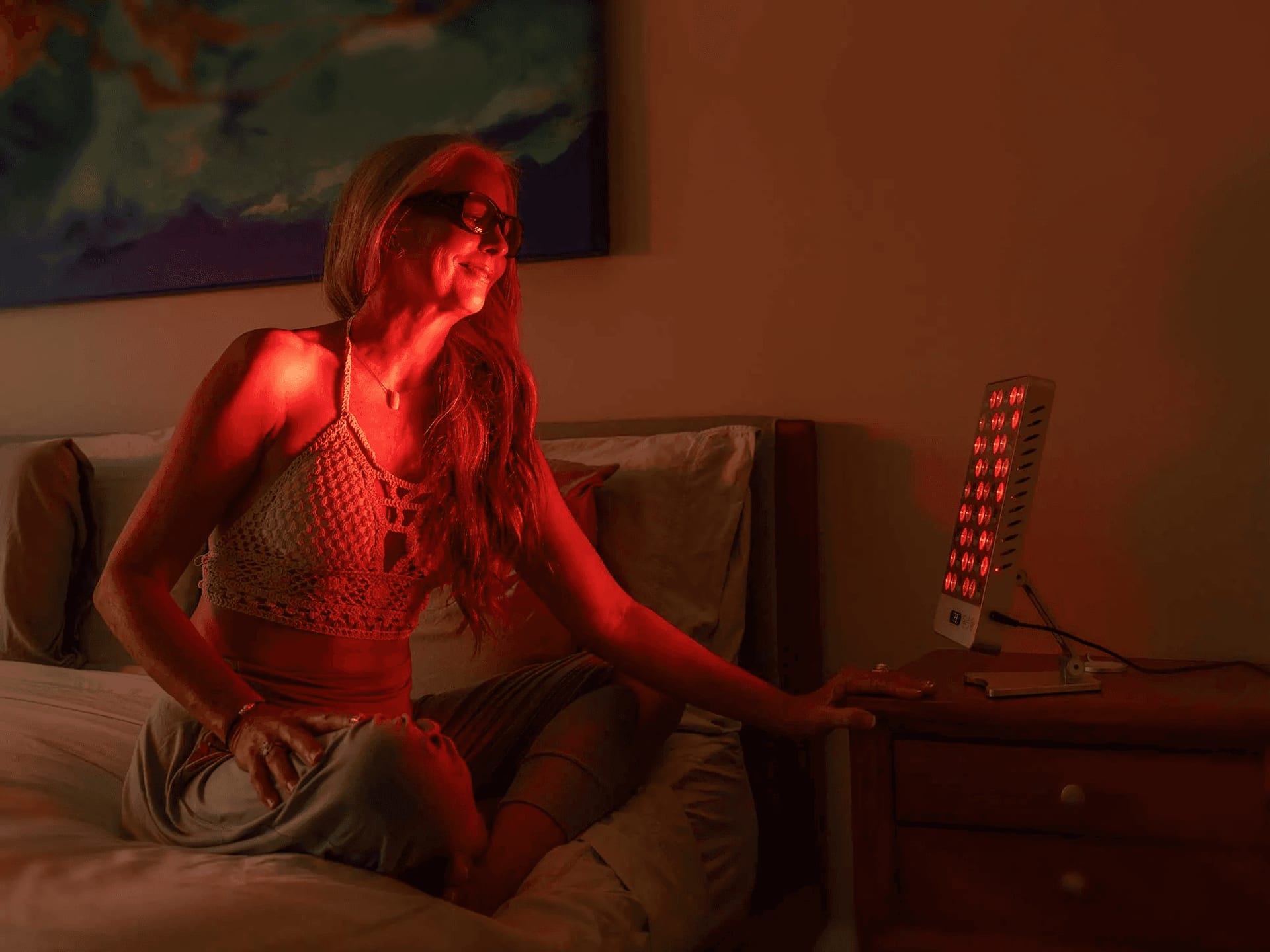
Its BTS2 system is a home use light device that combines UVB, red, and near infrared light within a single controlled unit designed for indoor settings. UVB is part of the natural sunlight spectrum involved in the body’s vitamin D synthesis pathway during outdoor exposure. Red and near infrared wavelengths are commonly explored in light based wellness discussions examining how environmental light may influence how people feel throughout the day.
The BTS2 excludes UVA wavelengths, which are more commonly associated with tanning focused applications. It also includes adjustable settings, built in safety features, protective eyewear, and durable construction intended for repeated home use. The system is designed as a controlled UVB exposure tool for indoor environments where natural sunlight access may be limited. As with any wellness related approach, individual experiences vary based on personal and environmental factors.
When the Conversation Shifts From Behavior to Environment
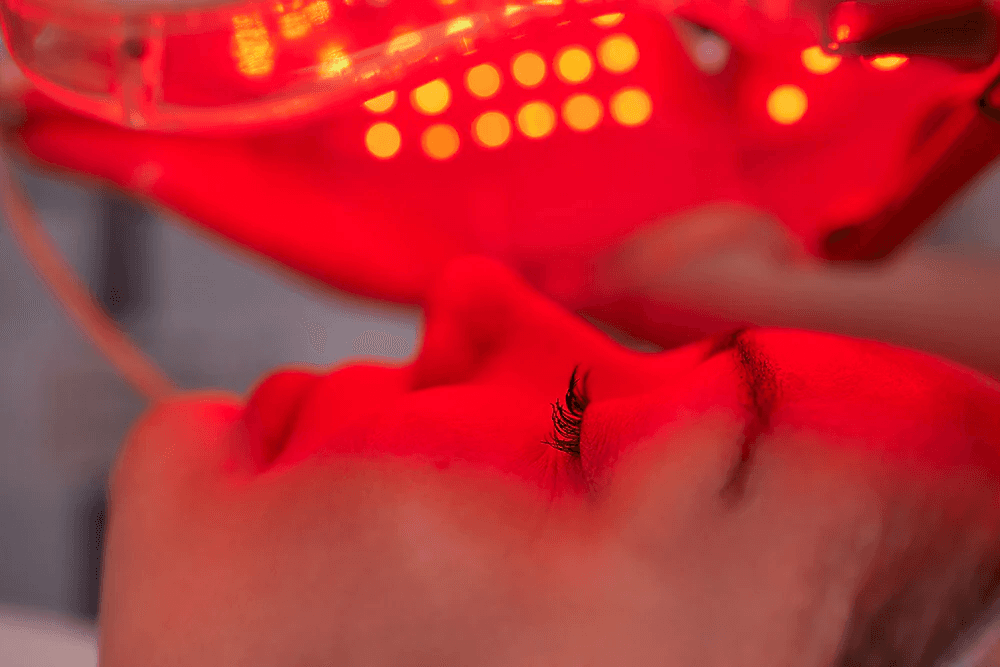
For some people, the most meaningful shift is not in what they do differently, but in what they begin noticing.
Instead of focusing only on routines, attention moves toward the environment surrounding those routines. Light becomes something dynamic rather than passive. Something that changes across spaces, times of day, and levels of exposure in ways many people rarely think about consciously.
Some users report feeling more energized or more balanced in their daily routines, though those experiences are personal and not universal. The emphasis is not on dramatic transformation or optimization. It is on awareness, specifically how environmental signals and biological rhythms interact continuously throughout daily life.
That perspective resonates with people who are not necessarily trying to overhaul their lifestyle, but who want to better understand why their current baseline sometimes feels different from what they expected despite years of doing everything “right.”
Award Winning Innovation In Indoor Light Wellness
Mitolux was recently recognized by Best of Best Review as the Best Full Spectrum Light Therapy Device in Dallas, Texas of 2026, highlighting the company’s commitment to innovation, product quality, and science informed wellness design. The recognition reflects Mitolux’s unique approach to indoor environmental wellness through its BTS2 system, which combines UVB, red, and near infrared light into one controlled home use device.
A Larger Question About Modern Living Spaces
The conversation ultimately extends beyond any single product or wellness trend. It reflects a broader question about how modern indoor spaces are designed in the first place.
Homes, offices, and shared environments are typically built around comfort, efficiency, and control. Environmental inputs like natural light are present, but they are not always treated as active elements shaping daily experience over time.
Mitolux exists within that larger conversation about how people live indoors today and how those environments may interact with human biology in subtle but meaningful ways.
For Mitolux, the question is not whether light matters. Research on environmental light has been accumulating for decades. The larger question is whether the spaces where modern life actually happens, the desk, the apartment, the home office, are designed to support it.
To learn more about Mitolux, explore the company’s educational resources and follow the brand on Instagram, Facebook, and YouTube for ongoing discussions around light, indoor living, and environmental wellness.
Disclaimer: Mitolux is intended for general wellness and self-care use only. Individual experiences vary. This content is for informational purposes only and does not constitute medical advice. Mitolux is not intended to diagnose, treat, cure, or prevent any disease or medical condition. Use only as directed. Consult a qualified healthcare professional before use if you have a medical condition, are pregnant, or take medications that increase light sensitivity.

-12.png&w=3840&q=88)