
America's Midweek Crosscurrents: War, Washington, and Economic Pressures
The United States spent Wednesday navigating a mix of international conflict, domestic political battles, and economic uncertainty. Developments in the Middle East continued to dominate the national agenda as the Trump administration defended its military strategy while advancing a controversial diplomatic agreement with Saudi Arabia. At home, lawmakers wrestled with spending legislation, markets reacted to rising oil prices, and election politics intensified ahead of the 2026 midterms.
Pentagon Defends Expanding Iran Campaign as Costs Rise
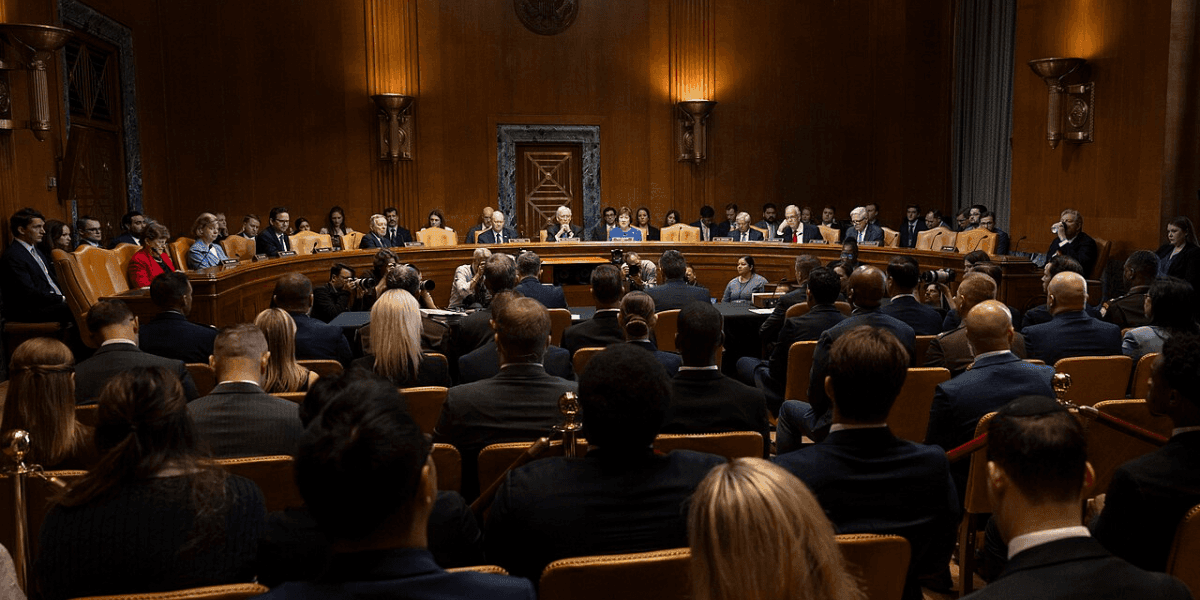
The conflict between the United States and Iran remained the nation's leading story as U.S. military operations entered their eleventh consecutive day. Defense Secretary Pete Hegseth testified before Congress that the campaign has now cost approximately $37.5 billion, while requesting additional funding to sustain military operations. Iranian retaliatory attacks on U.S. positions in the region have kept tensions elevated, and lawmakers continued debating both the strategic objectives and long-term financial burden of the campaign.
President Donald Trump also participated in ceremonies honoring American service members killed during the recent fighting, underscoring the growing human cost of the conflict. Military developments overseas continued to influence both congressional debate and broader public discussion over U.S. foreign policy.
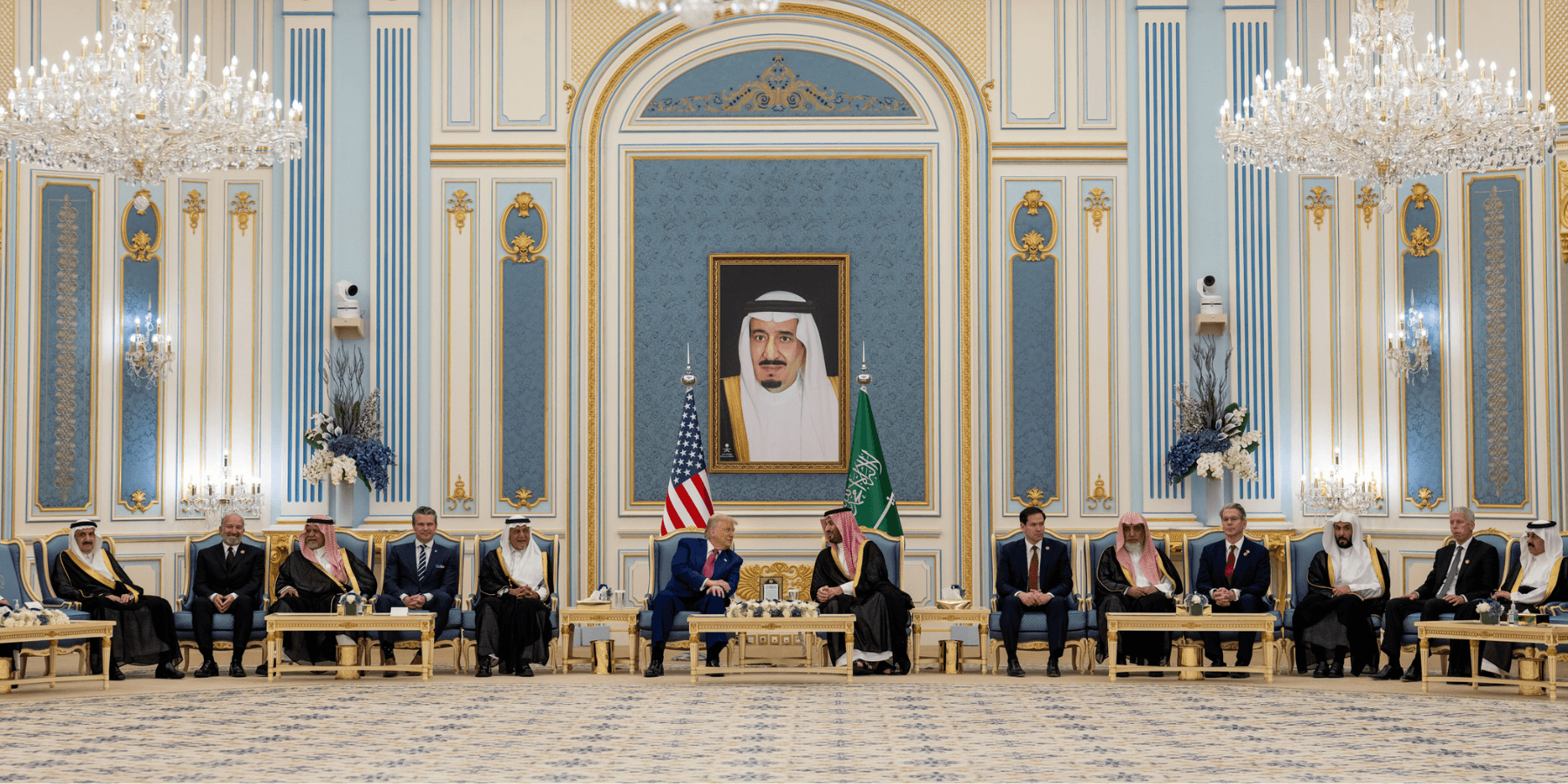
Photo Credit: Official White House Photo by Daniel Torok/Wikimedia
President Donald Trump with Saudi Crown Prince Mohammed Bin Salman Al Saud at the Royal Court Palace in Riyadh, Saudi Arabia, May 2025.
Saudi Nuclear Agreement Sparks Congressional Concern
The Trump administration moved toward signing a civilian nuclear cooperation agreement with Saudi Arabia, a proposal that immediately drew bipartisan scrutiny. According to officials familiar with the negotiations, the agreement could eventually permit Saudi Arabia to develop domestic uranium enrichment capabilities as part of its civilian nuclear energy program.
Administration officials argued that safeguards would prevent weapons proliferation, but critics contended the agreement lacks the stronger nonproliferation standards used in previous U.S. nuclear partnerships. Several members of Congress called for hearings and greater oversight before the agreement proceeds, making the proposal one of Washington's most closely watched policy debates.
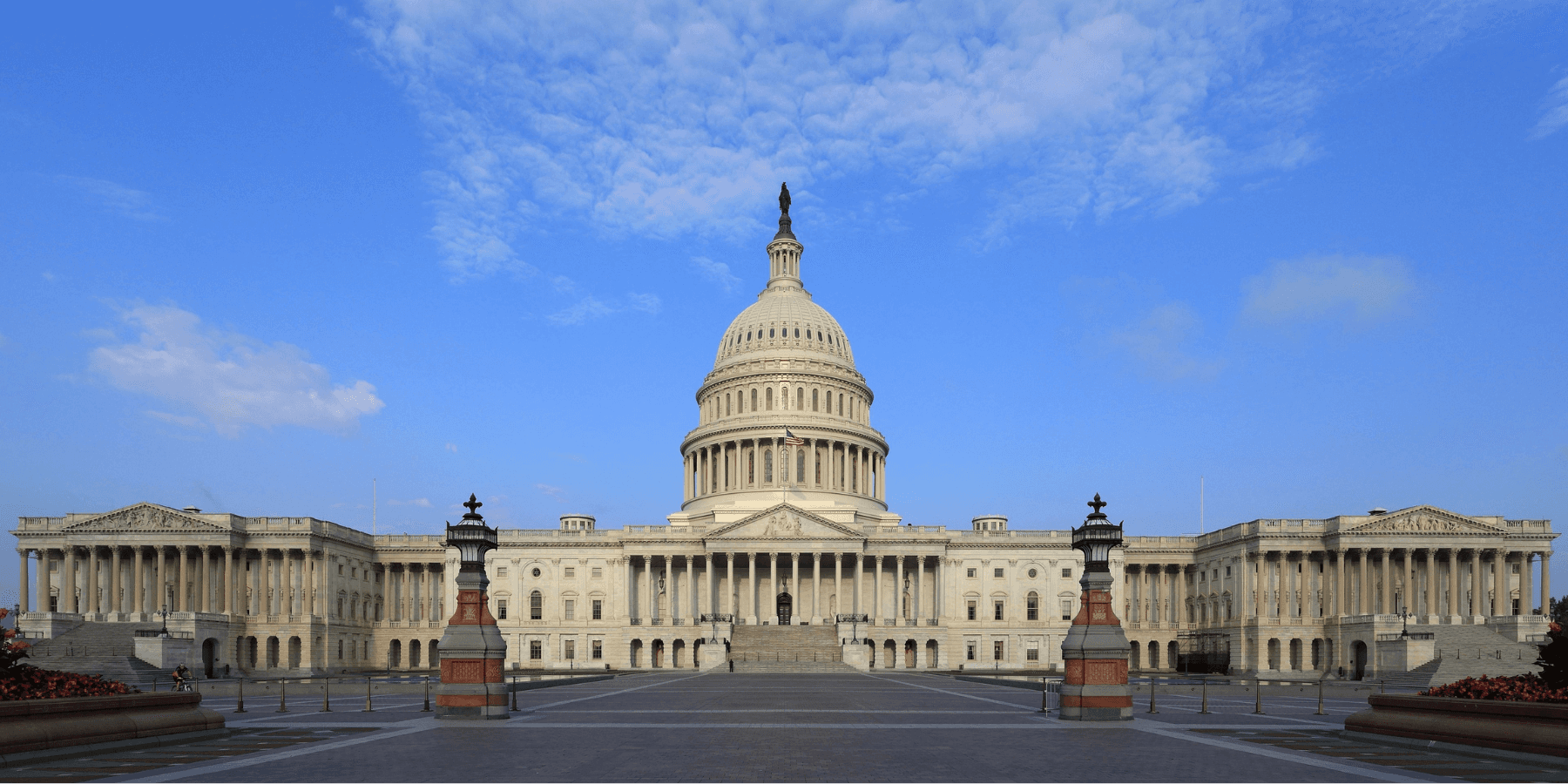
Photo Credit: Martin Falbisoner/Wikimedia (Cropped)
Congress Advances Spending Bill While Fiscal Battles Continue
Lawmakers continued negotiations over federal spending after the House approved a temporary funding measure intended to avoid an immediate government shutdown. While the legislation buys additional time for appropriators, it leaves unresolved disagreements over defense spending, domestic programs, and broader budget priorities.
The defense appropriations bill also generated partisan divisions, with Democrats objecting to provisions tied to the administration's conduct of the Iran conflict. Congressional leaders acknowledged that the temporary measure postpones, rather than resolves, what is expected to become a significant fiscal showdown later this year.

Photo Credit: Billie Grace Ward/Wikimedia
Markets Watch Oil Prices, Tech Earnings, and Inflation Risks
Financial markets remained cautious as investors balanced corporate earnings against geopolitical uncertainty. Major stock indexes finished mixed, with the Nasdaq leading declines while traders awaited additional reports from large technology companies.
Oil prices climbed to their highest levels in several weeks amid continuing instability in the Middle East, renewing concerns that higher energy costs could contribute to inflationary pressures. Investors also continued evaluating how prolonged regional conflict and evolving trade policies could affect economic growth during the second half of the year.
Photo Credit: Unsplash
Midterm Politics Intensify Across the Country
The 2026 election season gained momentum as several politically significant contests unfolded across the country. Republican primaries in Arizona attracted national attention, while lawmakers and candidates continued positioning themselves around issues including immigration, foreign policy, government spending, and election administration.
Political divisions also surfaced over healthcare funding, tariff policy, and international affairs, illustrating how national security developments are increasingly intersecting with domestic campaign messaging. Both major parties continued sharpening their arguments ahead of what is expected to be a highly competitive midterm election cycle.
Looking Ahead
Attention now turns to whether military operations involving Iran continue to expand, how Congress responds to the proposed Saudi nuclear agreement, and whether lawmakers can reach longer-term budget compromises before another funding deadline approaches. Financial markets will also closely monitor additional corporate earnings reports, oil prices, and economic indicators for signs of how international tensions are affecting the U.S. economy.