
U.S. Midterm Elections Put Congress at Stake as Iran Strikes, Supreme Court Ruling and Oil Market Volatility Shape the Day
Americans headed to the polls Tuesday in consequential midterm elections that will determine control of Congress and the direction of President Donald Trump's second term. The vote comes amid renewed U.S. military action against Iran, volatile energy markets and heightened scrutiny of election procedures. A Supreme Court decision involving California ballots added another significant legal development to an already contentious election season, while escalating Russian attacks in Ukraine underscored the international security challenges facing Washington. Together, the developments placed electoral accountability, economic uncertainty and foreign policy at the center of the day's news.

Americans Vote in Midterm Elections With Control of Congress and State Governments at Stake
Millions of Americans began casting Election Day ballots Tuesday, November 3, in elections that will determine control of the U.S. House of Representatives and Senate for the remaining two years of President Donald Trump's second term. Republicans entered Election Day holding narrow majorities in both chambers, while Democrats sought to regain congressional power amid voter concerns about inflation, energy prices, immigration and the ongoing confrontation with Iran. The results will influence the administration's ability to advance legislation, secure appointments and respond to congressional investigations.
Democrats need a net gain of at least three House seats and four Senate seats to take control of the respective chambers. Competitive Senate contests include Michigan, Texas, Alaska and South Carolina, while gubernatorial elections across 36 states will help determine the direction of state-level policies on taxation, education, healthcare and public safety. Michigan's Senate race drew additional attention after Democratic Representative Haley Stevens endorsed Republican Mike Rogers over Democratic nominee Abdul El-Sayed, who defeated her in the party's primary. The endorsement introduced an unusual cross-party dynamic into an already closely watched contest.
Early voting also emerged as a defining feature of the election. More than 54 million ballots had reportedly been cast before Election Day, exceeding the comparable total from the 2022 midterms. The substantial early turnout reflects widespread engagement but does not, by itself, establish which party will benefit. Polling suggested Democrats were positioned to compete strongly for control of the House, while the Senate remained uncertain because of the geographic distribution of competitive races. Polls began closing in parts of Indiana and Kentucky at 6 p.m. Eastern Time, with counting and reporting continuing through the evening and potentially beyond in closely contested states.
Supreme Court Rejects Federal Effort to Restrict California Ballot Counting as Election Oversight Intensifies
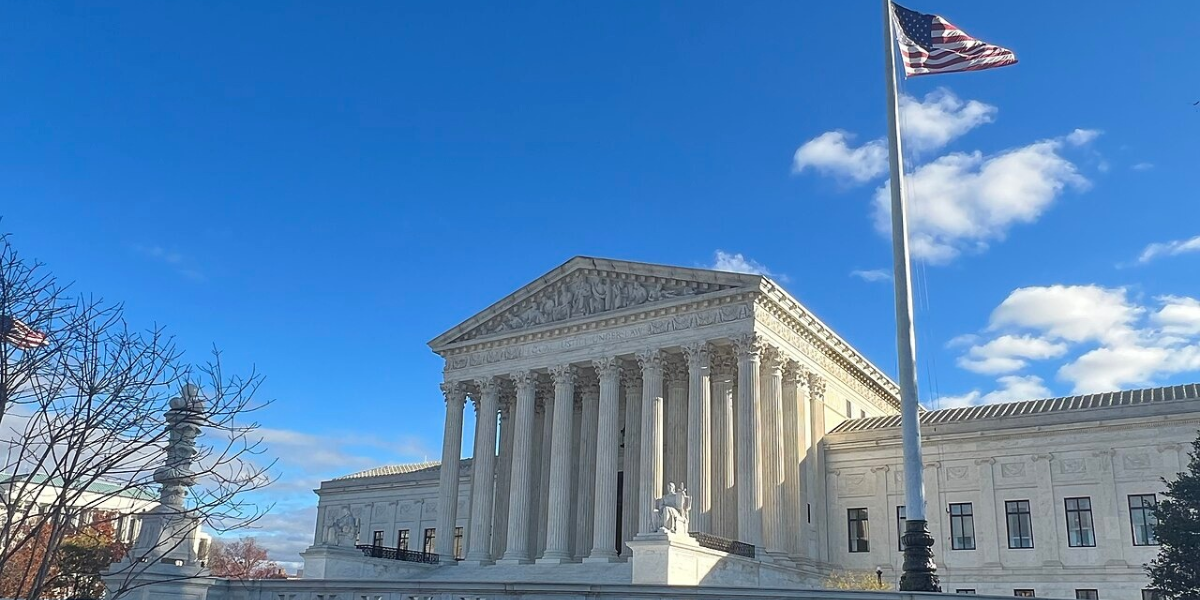
The U.S. Supreme Court rejected an emergency request from the Trump administration Monday that sought to prevent California from counting mail-in ballots associated with more than 20,000 registered voters whose citizenship status federal officials questioned. The Justice Department argued that the ballots should be separated from other votes until eligibility could be established. The justices declined the request without issuing a detailed explanation, leaving lower-court decisions in place and allowing California's existing election procedures to continue.
The dispute centered on voter-registration information compiled by the Department of Homeland Security. Federal officials alleged that the records identified potentially ineligible voters, while California officials disputed the reliability of the data and argued that the administration's proposed intervention could prevent eligible citizens from having their votes counted. U.S. District Judge David Carter previously rejected the government's request, citing concerns about the evidence and federal interference with state election administration. The Ninth U.S. Circuit Court of Appeals also declined to intervene. The Supreme Court's decision did not resolve the underlying lawsuit, but it prevented the administration from obtaining the immediate restrictions it sought before Election Day.
The ruling came as election officials prepared for increased scrutiny at polling places nationwide. The Justice Department planned to deploy federal election monitors, prompting legal challenges over their authority and the potential effect on voters. In a separate decision Monday, U.S. District Judge Reggie Walton ordered the department to ensure that monitors were not armed, uniformed law enforcement officers with arrest powers. Voting had generally proceeded without widespread problems during the early-voting period, although isolated equipment issues, severe weather and disputes over ballot procedures affected some locations. The developments highlighted the importance of local election administration and the possibility that legal challenges could continue during ballot counting and certification.

U.S. Conducts New Strikes Against Iran as Diplomatic Efforts Face Renewed Uncertainty
The United States carried out military strikes against targets on Iran's Qeshm Island near the Strait of Hormuz, according to U.S. officials, introducing fresh uncertainty into efforts to negotiate an end to the months-long conflict. Officials described the operation as defensive and said it was intended to address threats from Iranian military positions. The strikes followed reports of possible diplomatic progress involving regional mediators, including Qatar, which had raised expectations that Washington and Tehran might move closer to an agreement.
The military action occurred at a sensitive moment for both countries. President Trump had indicated that a negotiated settlement remained possible, while Vice President JD Vance expressed optimism about diplomatic efforts. Iranian officials, however, continued to reject several U.S. demands and maintained that substantial differences remained. Among the unresolved issues are Iran's nuclear program, access for international inspectors, the disposition of highly enriched uranium and the conditions under which restrictions on shipping through the Strait of Hormuz might be lifted. Tehran has linked maritime de-escalation to relief from U.S. economic restrictions, while Washington has sought stronger commitments addressing security and nuclear concerns.
The Strait of Hormuz remains central to the dispute because it connects Persian Gulf energy producers with international markets and normally carries a substantial share of global seaborne oil shipments. Continued disruption has increased shipping costs, complicated energy supply planning and contributed to higher fuel prices. The latest strikes also raised questions about whether military operations could undermine negotiations or increase the risk of retaliation against U.S. forces and regional partners. Officials and mediators are expected to continue assessing whether indirect discussions can proceed despite the renewed military confrontation.

Oil Prices Rebound Above $100 as Apple Earnings Add to Technology Market Pressure
Global financial markets faced another volatile session Tuesday as renewed U.S.-Iran tensions reversed part of a sharp decline in crude oil prices. Oil benchmarks had fallen more than 7% Monday after reports of diplomatic contacts involving Iran and Qatar raised hopes of progress toward ending the conflict. Prices rebounded following confirmation of U.S. strikes on Qeshm Island and indications that negotiations remained far from an agreement. By late Tuesday morning in London, Brent crude futures had risen approximately 1.3% to $106.13 per barrel, while U.S. West Texas Intermediate crude climbed about 1.5% to $97.91.
The renewed increase in oil prices reinforced concerns about inflation and economic growth. Higher crude costs can translate into more expensive gasoline, transportation and industrial production, complicating the outlook for households and businesses already facing elevated living expenses. European stock futures declined as investors assessed the latest military developments, while U.S. equity futures were mixed ahead of the midterm election results. Airlines and other fuel-intensive businesses remained particularly exposed to fluctuations in energy prices.
Technology shares also faced pressure following Apple's latest quarterly earnings report. The company reported September-quarter iPhone revenue of $57.58 billion, exceeding analyst estimates of approximately $56.54 billion, but warned that rising memory-chip costs would reduce profitability during the important holiday shopping period. Apple projected gross margins of 45% to 46% for the December quarter, compared with 47.9% in the September quarter. Shares fell roughly 4% in premarket trading as investors weighed the impact of component inflation and spending associated with artificial intelligence features. The broader Nasdaq-100 had entered correction territory after closing more than 10% below its record high, reflecting growing concerns about the cost of AI investment and the pace at which those expenditures will generate returns.
Russian Attack on Ukrainian Aid Facility Kills at Least 31 as New Peace Talks Approach
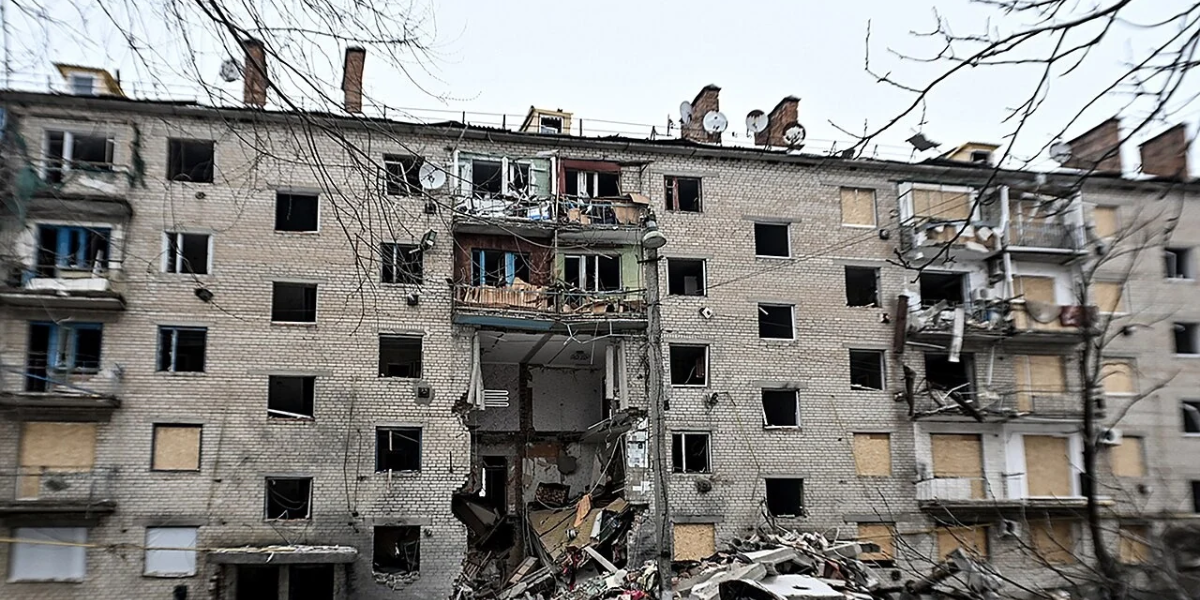
The death toll from a Russian strike on an aid facility and shelter in Ukraine's southern Zaporizhzhia region rose to at least 31 on Tuesday as emergency workers continued searching through the wreckage. Ukrainian authorities said more than 45 people remained missing following the attack in Komyshuvakha, raising fears that the number of fatalities could increase. The dead included four police officers and two rescue workers, while several other people were injured. Local authorities declared three days of mourning as recovery operations continued.
The attack formed part of a broader Russian aerial assault targeting multiple Ukrainian regions. Ukrainian officials reported that Russia launched 289 drones, 17 ballistic missiles and 59 cruise missiles, striking energy infrastructure, residential areas and medical facilities. Dozens of people were injured in Kharkiv, while attacks in the Dnipro area caused additional casualties and damage. Ukrainian energy company DTEK reported that three power plants had suspended operations, adding to concerns about electricity supplies as colder weather approaches. Emergency power restrictions were introduced in affected areas, and some hospital patients required evacuation. Russia also reported intercepting Ukrainian drones, while a strike damaged an oil refinery in the Russian city of Yaroslavl.
The escalation came ahead of another diplomatic initiative intended to explore possibilities for reducing the conflict. Ukrainian President Volodymyr Zelenskyy traveled to Germany for consultations as preparations continued for U.S.-mediated talks involving Ukrainian and Russian representatives in Abu Dhabi on November 10–11. Russia indicated that it would send a delegation. Discussions are expected to address security arrangements, de-escalation and humanitarian concerns, although significant differences remain over territorial control and the conditions for a durable settlement. The latest attacks underscored the humanitarian consequences of the war and the challenges negotiators face in establishing confidence between the parties.
Looking Ahead
The immediate focus in the United States will be the outcome of Tuesday's midterm elections, particularly closely contested House districts and Senate races that could determine control of Congress. Election officials will begin reporting results as polls close across successive time zones, but tight contests, absentee-ballot processing and possible recounts could delay definitive outcomes. Courts may also face additional requests involving disputed ballots or election procedures. The final composition of Congress will shape the administration's legislative agenda, federal spending negotiations and oversight responsibilities beginning in January 2027.
Internationally, attention will remain on whether Washington and Tehran can resume meaningful negotiations following the latest military strikes, with oil markets particularly sensitive to developments around the Strait of Hormuz. Investors will also assess the implications of Apple's earnings and rising technology-sector costs. In Europe, rescue operations and infrastructure repairs will continue following Russia's latest attacks on Ukraine, while diplomatic preparations intensify ahead of the planned November 10–11 talks in Abu Dhabi. These developments will help determine whether the coming days bring greater political and economic clarity or further uncertainty across global markets and security affairs.