
Democrats Sweep Congress in Historic Midterm Elections as Markets React and Iran War Diplomacy Faces New Uncertainty
Democrats won control of both chambers of Congress in Tuesday's U.S. midterm elections, overturning Republican majorities and reshaping the political landscape for President Donald Trump's final two years in office. The results included unexpected Democratic victories in traditionally Republican states, significant changes in governorships and a voter backlash centered on living costs, the Iran war and concerns about federal governance. Financial markets responded to the prospect of divided government, with technology and defense stocks facing pressure while renewable-energy companies advanced. Meanwhile, Iranian officials weighed the election's implications as diplomatic efforts continued to prevent renewed military escalation in the Middle East.
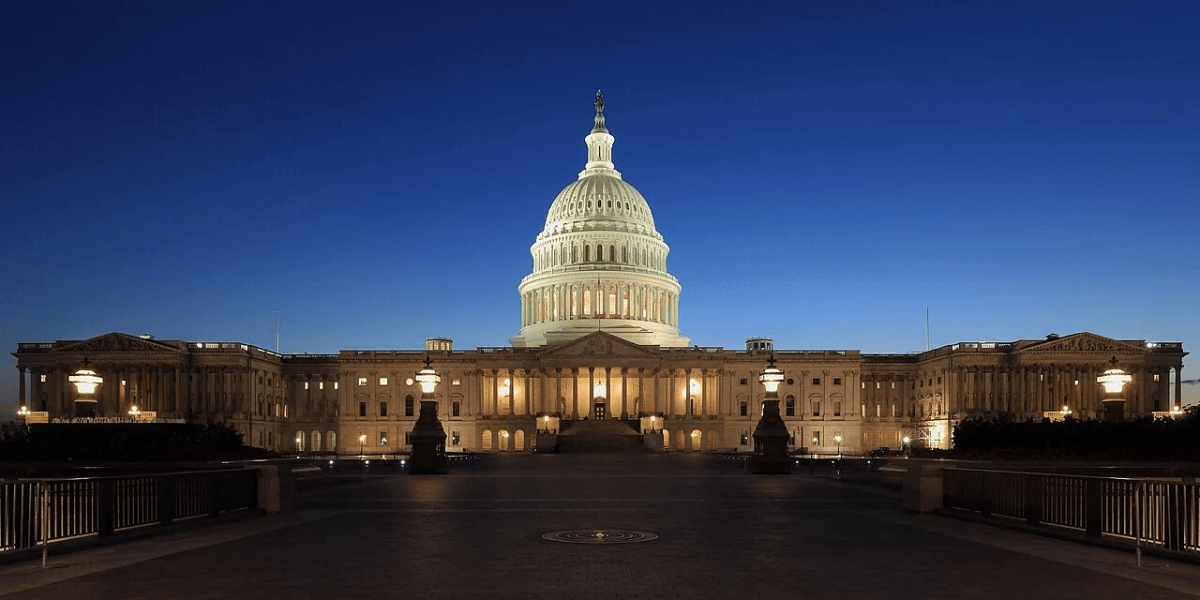
Democrats Capture House and Senate in Sweeping Midterm Election Victory
Democrats secured control of the U.S. House of Representatives and Senate following the November 3 midterm elections, ending two years of unified Republican control of Washington. The Associated Press projected Democratic victories in at least seven Republican-held Senate seats, including Kansas, Iowa, Texas, Ohio, Maine, North Carolina and South Carolina. The party also flipped more than two dozen House districts, including constituencies that had strongly supported Trump in the 2024 presidential election. The results represented an unusually broad electoral shift, extending beyond competitive swing states into areas where Republicans had maintained longstanding advantages.
Several Senate outcomes were particularly significant. In Texas, Democratic state Representative James Talarico defeated Republican Attorney General Ken Paxton, becoming the first Democrat elected to the U.S. Senate from the state since 1988. In Kansas, Adam Hamilton defeated incumbent Republican Senator Roger Marshall, delivering the state's first Democratic Senate victory since 1932. Iowa Democrat Josh Turek defeated Republican Ashley Hinson for the seat being vacated by Senator Joni Ernst, while former North Carolina Governor Roy Cooper defeated Republican Michael Whatley. In Maine, Democrat Troy Jackson defeated longtime Republican Senator Susan Collins, who conceded the race. Former Senator Sherrod Brown also returned to the Senate after defeating Republican Jon Husted in Ohio.
The outcome will substantially change the balance of power in Washington when the new Congress convenes in January 2027. Democratic majorities will be able to determine committee leadership, initiate investigations, issue subpoenas and block legislation opposed by the party. Senate control will also give Democrats considerable influence over judicial nominations and senior administration appointments. House Democratic leader Hakeem Jeffries is positioned to become the first Black speaker of the House, while Senate Democratic leader Chuck Schumer is expected to assume the majority leader's position.
Trump rejected the suggestion that the results amounted to a personal electoral defeat, attributing Republican losses partly to candidate performance. He also indicated that he would use presidential veto authority against legislation he opposes while remaining open to negotiations. Republican leaders acknowledged the setbacks and began assessing their leadership and legislative strategies. Although Democrats will control Congress, the president will retain substantial executive authority, setting up potentially difficult negotiations over federal spending, national security and domestic policy.
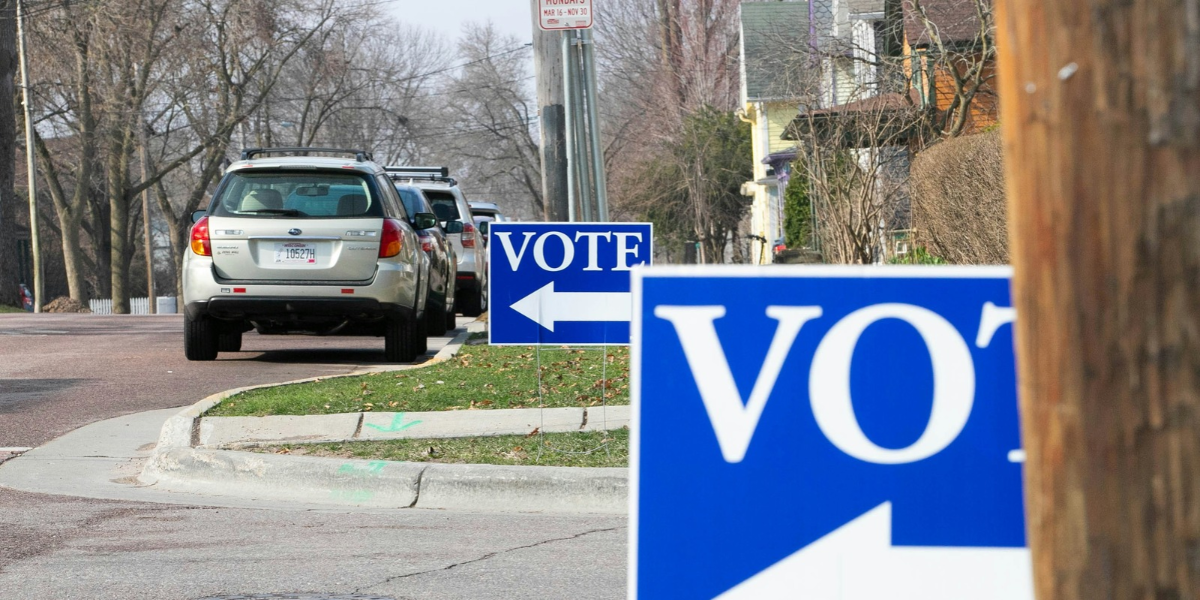
Voters Cite Rising Costs and Iran War as Democrats Win Key Governorships
Economic dissatisfaction emerged as a central factor in the midterm results, with voters expressing concerns about inflation, fuel prices, household expenses and the direction of the country. The Associated Press Voter Poll found that approximately three-quarters of voters described themselves as angry or dissatisfied with the country's trajectory. Many respondents identified the cost of living as a major concern, while the ongoing conflict with Iran and questions about government accountability also influenced electoral decisions.
The results suggested that Republican difficulties extended across several groups that had contributed to Trump's 2024 victory. Democratic candidates made gains among younger voters and Latino communities, including in Texas, where changing voting patterns helped produce a Senate upset. The election also demonstrated that economic concerns remained politically consequential despite the administration's emphasis on its broader economic and national security policies. Rising energy costs associated with the Iran conflict added pressure on households already dealing with elevated prices.
Democrats also captured several Republican-held governorships. In Georgia, former Atlanta Mayor Keisha Lance Bottoms won the gubernatorial election, becoming the first Black woman elected governor in U.S. history. In Ohio, Democrat Amy Acton defeated Republican Vivek Ramaswamy, while Iowa State Auditor Rob Sand won the state's open gubernatorial contest, ending 16 years of Republican control of the governor's office. Democrats also recorded a significant gubernatorial victory in Texas, further illustrating the geographic reach of the party's electoral gains.
These state-level results will have consequences beyond the immediate political cycle. Governors oversee major portions of state budgets, education systems, healthcare programs and emergency management operations. They also play important roles in implementing federal policies and shaping state-level legislative priorities. The incoming administrations will face decisions about public spending, energy development, infrastructure and healthcare access, while the results may influence the national political landscape ahead of the 2028 presidential election.
The next phase will involve final vote certification, transition planning and leadership decisions in state capitals. Several closely contested races and ballot measures remained unresolved as counting continued Wednesday, underscoring that the complete electoral picture could take additional time to emerge.

Wall Street Reassesses Political Risks as Technology Stocks Slip and Clean Energy Rallies
Financial markets reacted to the Democratic congressional victories with substantial movements across sectors sensitive to federal policy. U.S. stock futures initially declined sharply overnight before recovering, while the dollar weakened and Treasury yields fell as investors evaluated the implications of divided government. Reuters reported that the dollar index declined approximately 0.6% to a one-month low near 101.27, while the benchmark 10-year Treasury yield moved toward 4.92%.
Investors focused particularly on the possibility that Democratic congressional leadership could increase scrutiny of artificial intelligence companies, data-center expansion and federal technology policy. Shares of data-center operators came under pressure in early trading, with Core Scientific declining approximately 2.8% and Iren falling 1.4%. Other AI infrastructure companies, including Applied Digital and CoreWeave, also traded lower. The sector has attracted enormous investment as companies expand computing capacity, but rising electricity demand, infrastructure costs and questions about returns have increasingly drawn attention from policymakers and investors.
Renewable-energy companies moved in the opposite direction as investors anticipated stronger congressional support for clean-energy development and increased oversight of efforts to weaken environmental regulations. First Solar rose approximately 9.4% in premarket trading, Sunrun gained 10% and Enphase Energy advanced 7.6%. European renewable-energy companies also benefited, with Danish wind-power companies Vestas and Ørsted posting gains.
Other sectors experienced notable shifts. Tesla and SpaceX shares declined amid expectations of additional congressional scrutiny of businesses associated with Elon Musk. Defense contractors, including Northrop Grumman, Lockheed Martin and RTX, also faced selling pressure as investors reconsidered prospects for the administration's proposed $1.5 trillion defense budget. Hospital operators and health insurers advanced on expectations that Democrats could seek additional healthcare funding or negotiate changes to existing federal programs.
The market response reflected changing expectations rather than confirmed legislative outcomes. Democrats will be able to conduct hearings and influence federal spending, but major policy changes will still face presidential veto authority and other institutional constraints. Investors will now watch congressional leadership decisions, forthcoming economic data and signals from the Federal Reserve to determine whether the election results materially alter the outlook for corporate earnings, interest rates and economic growth.

Iran War Diplomacy Enters Uncertain Phase Following U.S. Election Results
Iranian officials responded Wednesday to the U.S. midterm results by arguing that American voters had rejected the Trump administration's handling of the conflict with Iran. The statements came as diplomatic efforts continued to prevent another major escalation following months of fighting that have disrupted global energy markets, restricted shipping through the Strait of Hormuz and strained relations across the Middle East.
Iranian Parliament Speaker Mohammad Bagher Qalibaf, who has played a central role in negotiations, interpreted the election results as evidence of American opposition to the war. Other Iranian officials issued similar statements while warning Washington against renewed military action. Supreme Leader Ayatollah Mojtaba Khamenei, however, cautioned that changes in U.S. congressional leadership should not be interpreted as a fundamental shift in American policy toward Iran. The competing statements highlighted uncertainty over whether the election would create an opening for diplomacy or further complicate negotiations.
The United States and Israel launched military operations against Iran on February 28, beginning a conflict that has had extensive regional and economic consequences. Iranian restrictions on shipping through the Strait of Hormuz, combined with a U.S. naval blockade of Iranian ports, have disrupted a major route for international energy supplies. Before the conflict, approximately one-fifth of the world's oil supply passed through the waterway, making continued instability a significant concern for energy-importing countries and global financial markets.
Diplomatic discussions involving Qatari and Pakistani mediators have continued in recent days. Negotiators have been examining proposals intended to prevent renewed large-scale U.S. strikes, although substantial disagreements remain over sanctions, Iran's nuclear activities and restrictions on oil exports. Vice President JD Vance expressed cautious optimism earlier in the week about the possibility of reaching a negotiated settlement. Iranian officials, meanwhile, have continued to insist that Washington address Tehran's conditions before a broader agreement can be reached.
The security situation remains fragile. Iranian state media reported explosions Monday around Qeshm and Hengam islands and near Bandar Abbas, raising fresh questions about military activity around the Strait of Hormuz. Iranian authorities had not publicly established the full extent of the damage or identified all targets. Thousands of American military personnel remain deployed in the region, and additional U.S. forces have been moving toward the Middle East.
The immediate focus will be whether negotiations produce a framework capable of preventing further strikes. Any durable agreement would have implications for global oil prices, shipping insurance costs, regional security and the economic pressures that influenced the U.S. election.
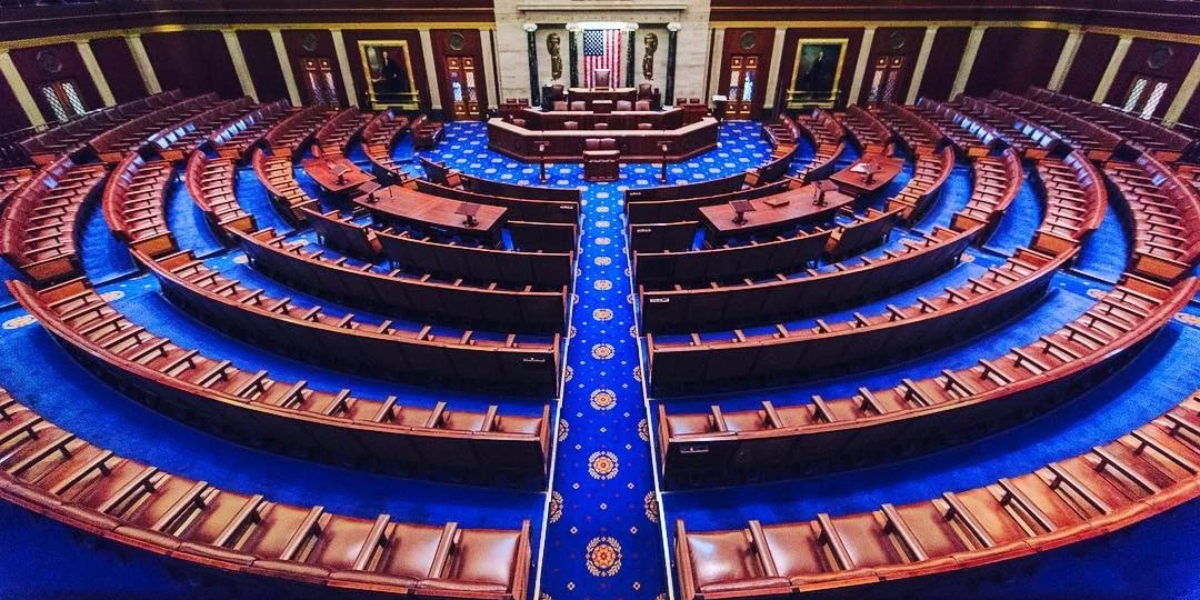
Election Results Reshape Washington's Outlook for AI, Healthcare and Federal Spending
Beyond the immediate electoral and market reaction, the change in congressional control is expected to alter federal oversight of several major industries. Artificial intelligence, healthcare, defense procurement and immigration enforcement are among the areas likely to face closer examination when Democrats assume committee leadership in January.
AI infrastructure is emerging as an especially consequential policy issue. The rapid expansion of data centers has increased electricity demand and generated concerns about local utility costs, water consumption and the pace of infrastructure development. Democratic congressional leaders could pursue hearings examining the economic and environmental effects of the AI investment boom, including the responsibilities of technology companies and utilities. The incoming Congress may also examine competition, consumer protection and the use of AI systems across the federal government.
Healthcare policy is another potential area of conflict. Democratic lawmakers have advocated measures to expand access to coverage and revisit changes to federal healthcare programs, while Republicans have emphasized spending restraint and alternative approaches to healthcare financing. A Democratic Congress could use budget negotiations to seek adjustments to existing policies, although the president's veto authority would remain a major obstacle to legislation lacking bipartisan support.
Defense spending will also face renewed scrutiny. The administration's proposed $1.5 trillion defense budget is likely to encounter a more challenging legislative process under Democratic control, particularly as lawmakers debate the cost and strategic objectives of military operations involving Iran. Congressional committees could seek additional information about military expenditures, procurement contracts and the administration's broader national security strategy.
Immigration enforcement and detention contracts may receive similar attention. Shares of private prison operators GEO Group and CoreCivic declined following the election, reflecting investor expectations that congressional investigations or changes in spending priorities could affect companies providing detention services to the federal government.
The central question is how much the incoming Congress can accomplish through oversight and spending negotiations without agreement from the White House. While Democratic majorities will have significant investigative and legislative powers, major statutory changes will require cooperation across branches of government or sufficient congressional support to overcome a veto. The resulting negotiations could influence federal budgets, regulatory priorities and business investment decisions throughout the remainder of Trump's presidency.
Looking Ahead
The immediate focus in Washington will be the completion and certification of election results, congressional leadership negotiations and preparations for the January 2027 transition. Democrats will begin determining committee assignments and legislative priorities, while the White House and Republican leaders assess how to operate under divided government. Investors will continue monitoring the effects on Treasury yields, technology companies, energy markets and federal spending expectations.
Internationally, attention will remain on negotiations involving Washington, Tehran and regional mediators as both sides consider whether to pursue a broader agreement or risk renewed military escalation. The coming days could provide important indications of whether the U.S. election results change the diplomatic calculations surrounding the Iran conflict, with significant consequences for energy supplies, global markets and regional stability.