
Federal Reserve Holds Interest Rates as Midterm Campaign Intensifies, Israel Faces Political Uncertainty and Iran Tensions Persist
The Federal Reserve held interest rates steady Wednesday as persistent inflation continued to complicate the U.S. economic outlook, while President Donald Trump and Democratic leaders intensified campaigning ahead of the November 3 midterm elections. Overseas, Israel faced difficult coalition negotiations following a closely contested parliamentary election, and U.S. defense officials sought to reassure Southeast Asian allies of Washington's security commitments amid the continuing conflict with Iran. Meanwhile, Wall Street posted modest gains as investors assessed the Federal Reserve's decision, corporate earnings and the financial implications of continued investment in artificial intelligence.
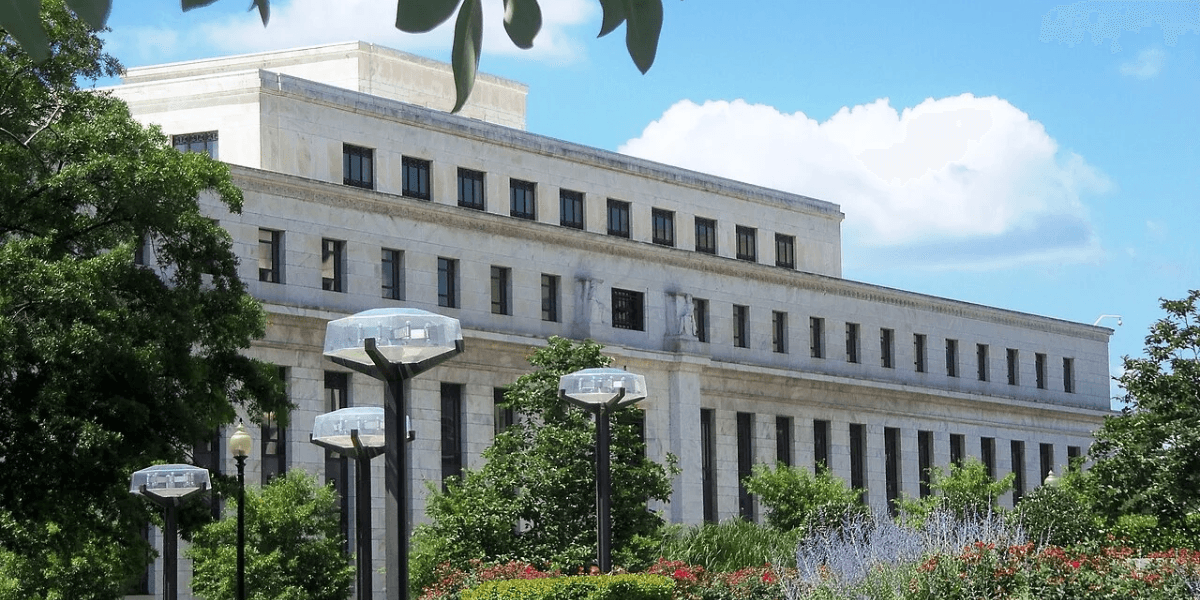
Federal Reserve Holds Interest Rates Steady as Inflation Remains a Concern
The Federal Reserve left its benchmark interest rate unchanged Wednesday, October 28, maintaining its cautious approach as policymakers weighed persistent inflation against signs of uneven economic growth. The decision followed a two-day meeting of the Federal Open Market Committee and reflected uncertainty over whether price pressures would ease sufficiently without additional monetary tightening. Federal Reserve Chair Kevin Warsh, who assumed leadership of the central bank earlier this year, has faced increasing scrutiny over the institution's independence and its response to inflation under President Trump's administration.
The decision comes at a politically sensitive moment, with affordability concerns playing a prominent role in the final week of campaigning before the November 3 midterm elections. Elevated energy costs, continuing pressure on household budgets and uncertainty surrounding consumer spending have complicated the economic outlook. Although U.S. consumer confidence improved in October as gasoline prices eased somewhat, Americans continue to face higher living costs. Financial markets initially reacted to the Fed's announcement with an increase in short-term Treasury yields before those movements reversed as traders reconsidered the likelihood of future rate increases.
U.S. stocks ultimately finished Wednesday modestly higher. The S&P 500 gained 0.3% to close at 7,743.98, while the Dow Jones Industrial Average rose 97.53 points to 52,475.10. The technology-heavy Nasdaq Composite advanced 0.3% to 26,549.85. The relatively restrained market reaction suggested investors were largely prepared for the Fed's decision, although uncertainty remains over the central bank's next move. Policymakers will continue monitoring inflation, employment and consumer demand as they determine whether interest rates need to remain elevated or move higher in the coming months.

Trump and Democrats Intensify Midterm Campaigns as Election Oversight Draws Scrutiny
President Donald Trump and former President Barack Obama emerged as prominent figures in the closing stages of the 2026 midterm campaign Wednesday, as Republicans and Democrats competed for control of Congress. Trump traveled to Texas as part of an intensified effort to mobilize Republican voters, while Obama campaigned for Democratic candidates in competitive states. Although neither president appears on the ballot, their involvement reflects the national significance of the elections, which will determine the balance of power in Washington for the remaining two years of Trump's current term.
Election administration and voting eligibility also received renewed attention. Reuters reported Wednesday that the Trump administration had issued more than 100 subpoenas as part of an expanded effort to investigate potential voting by noncitizens. The administration has characterized its actions as election-integrity measures, while the broader debate over voter eligibility and federal involvement in election administration remains politically contentious. The reported subpoenas add another dimension to an election season already dominated by disagreements over immigration, economic policy and the administration's exercise of executive authority.
A separate controversy developed in Alaska's closely watched Senate race after reporting that Democrats had recruited potential spoiler candidates. The developments prompted further scrutiny of campaign tactics in a state where competitive elections can be affected by multiple candidates appealing to overlapping groups of voters. Nationally, both parties are concentrating resources on closely contested Senate and House races, including an open Senate contest in Michigan. The November 3 results will shape the administration's ability to advance legislation, congressional oversight priorities and the broader political environment heading into the next presidential election cycle.
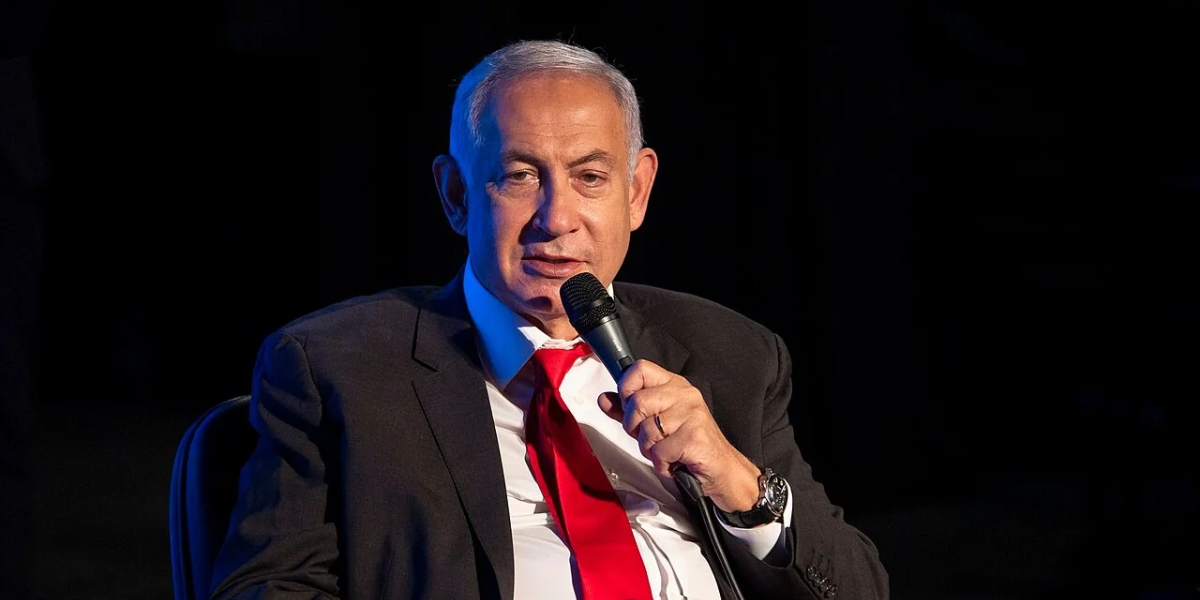
Israel's Election Leaves Netanyahu Facing Uncertain Coalition Negotiations
Israel entered a new period of political uncertainty Wednesday after parliamentary elections produced a complicated result for Prime Minister Benjamin Netanyahu and his opponents. Voting took place Tuesday in the country's first general election since the October 2023 Hamas attacks and the subsequent war, with national security, wartime accountability, judicial policy and military service requirements among the central campaign issues. Early projections indicated that Netanyahu's political position had weakened in some respects, but he and his allies retained a possible route to forming the next government.
Israel's parliamentary system requires a governing coalition capable of commanding support in the 120-member Knesset. Consequently, winning the largest share of seats does not automatically guarantee the ability to govern. Netanyahu and rival political leaders must assess potential alliances, negotiate policy commitments and determine whether a viable parliamentary majority can be assembled. The outcome is especially consequential because the next government will confront difficult decisions involving regional security, relations with Washington, the consequences of the Gaza war and longstanding domestic divisions.
The election also carries wider implications for U.S. diplomacy in the Middle East. Washington remains a central security partner for Israel, while the continuing confrontation with Iran has increased pressure on regional governments to coordinate military preparedness and diplomatic initiatives. Political uncertainty in Israel could complicate those efforts if coalition negotiations become prolonged. Attention now turns to the final distribution of parliamentary seats, the positions of smaller parties and the formal process of determining which political leader has the strongest prospect of forming a government.

U.S. Reinforces Indo-Pacific Security Commitments as Iran War Strains Military Resources
U.S. Defense Secretary Pete Hegseth sought to reassure Southeast Asian governments Wednesday that Washington remains committed to regional security despite the continuing war with Iran. Speaking during meetings involving defense ministers from the Association of Southeast Asian Nations in Cebu, Philippines, Hegseth emphasized practical military cooperation, including improved maritime surveillance, stronger coordination between naval forces and greater operational compatibility among regional partners. His remarks came as governments across the Indo-Pacific assessed whether growing American military commitments in the Middle East could affect Washington's capacity to respond to security challenges in Asia.
The administration's regional diplomacy takes place against a backdrop of continued concern over maritime security, particularly in waters where territorial disputes and military activity have generated tensions. U.S. defense relationships with the Philippines and other regional partners remain central to Washington's Indo-Pacific strategy. Hegseth's visit was intended to reinforce those relationships through military planning, joint exercises and information-sharing arrangements rather than relying solely on broad diplomatic assurances.
At the same time, the financial and strategic consequences of the Iran conflict continued to attract attention in Washington. An estimate reported Wednesday placed the war's cost to American taxpayers at approximately $47.1 billion, underscoring the scale of U.S. military involvement. The conflict has also contributed to pressure on global energy markets and increased uncertainty surrounding international shipping and regional infrastructure security. For American policymakers, the immediate challenge is maintaining military readiness across multiple regions while managing the economic and diplomatic consequences of the Middle East confrontation. The coming days will test whether Washington can sustain those commitments without further escalation.

Artificial Intelligence Investment Drives Market Activity as Regulators Examine Technology and Pricing
Artificial intelligence remained an important force in U.S. financial markets Wednesday as investors evaluated corporate spending plans, technology-sector earnings and the long-term profitability of rapidly expanding AI infrastructure. Technology shares had helped lift major U.S. indexes during Tuesday's trading session, with semiconductor companies benefiting from renewed interest in AI development. However, investors have become increasingly attentive to the cost of financing data centers, advanced computing equipment and other infrastructure required to support the industry's expansion.
Several developments Wednesday highlighted the relationship between technological growth, corporate finances and regulatory oversight. Oracle outlined plans intended to address concerns about heavy AI-related capital spending and its effect on cash flow. Separately, Reuters reported that the U.S. Department of Justice was making inquiries concerning Nvidia's acquisition of Hugging Face, a transaction drawing attention because of Nvidia's influential position in the AI computing market. Such inquiries do not themselves establish wrongdoing, but they illustrate growing regulatory interest in how major technology companies acquire capabilities and expand their positions across the AI ecosystem.
Federal regulators also increased their examination of commercial pricing practices. Reuters reported that the Federal Trade Commission demanded information from companies including Walmart, Uber and Delta Air Lines concerning personalized pricing. The inquiry reflects questions about how businesses use consumer information, algorithms and other technologies to determine prices for different customers. For consumers, the central issue is whether increasingly sophisticated pricing systems operate transparently and comply with applicable consumer-protection and competition laws. Together, the developments demonstrate how AI investment is influencing not only stock valuations and corporate strategy but also the regulatory environment surrounding data, competition and everyday consumer transactions.
Looking Ahead
The November 3 midterm elections will dominate the immediate U.S. political calendar as candidates make their final appeals to voters and election officials prepare for turnout, ballot processing and vote counting. Financial markets will continue assessing the Federal Reserve's latest decision alongside upcoming economic indicators and corporate earnings, particularly from companies making substantial investments in artificial intelligence. Further regulatory developments involving technology acquisitions and algorithmic pricing could also influence business expectations.
Internationally, Israel's coalition negotiations will be closely watched for indications of whether Netanyahu can retain power or whether rival parties can establish an alternative government. U.S. officials will continue balancing security commitments in the Indo-Pacific against the military and economic demands of the Iran conflict. The interaction between domestic economic pressures, congressional elections and overseas security challenges is likely to remain central to the news agenda as October draws to a close.