
Election Battles Intensify Across the U.S. as Trump Raises Cuba Intervention, Ukraine Peace Talks Advance and Inflation Pressures Persist
The United States entered the final stretch before the November 3 midterm elections amid escalating legal disputes over voting procedures, renewed questions about American military involvement abroad and mounting economic uncertainty. Federal prosecutors intensified efforts to challenge voter eligibility in California, while President Donald Trump raised the possibility of military action involving Cuba. Meanwhile, Ukraine and Russia moved toward a limited humanitarian ceasefire as Washington sought to restart broader peace negotiations. Persistent inflation, elevated energy costs and an approaching Federal Reserve decision added economic pressure, while a deadly attack at a church in Jordan underscored continuing security concerns in the Middle East.
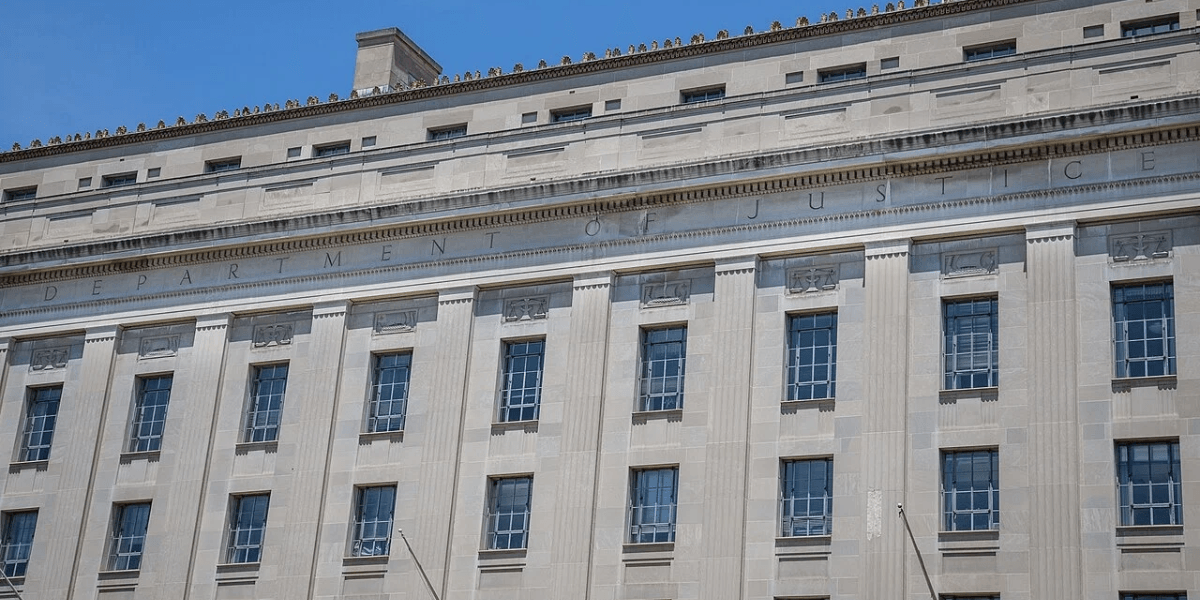
Justice Department Escalates Election Disputes as Midterm Voting Accelerates
The Justice Department has expanded its efforts to investigate suspected noncitizen voting in California, ordering election officials in at least 18 counties to identify and verify certain ballots within 48 hours. Federal prosecutors sent letters Friday demanding voter registration records, identification documents and other information associated with people the government believes may have registered illegally. Officials also requested that counties set aside ballots when citizenship could not be verified.
The demands follow a federal lawsuit seeking to prevent Los Angeles County and California election officials from counting approximately 20,000 ballots associated with people identified by the administration as potentially ineligible voters. California officials have challenged the reliability of the federal government's data and warned that the intervention could delay certification or prevent eligible citizens from having their votes counted. More than 330,000 mail-in ballots had already been counted statewide, according to court filings, while federal authorities earlier this week charged 28 people with offenses involving voter registration, including some allegations of illegal voting. Available evidence indicates that noncitizen voting remains extremely rare.
The dispute comes as the administration faces another election-related controversy in Alaska. Trump said he directed the Justice Department to file a lawsuit that seeks to block certification of the state's U.S. Senate election under certain circumstances. The case involves a second candidate sharing the surname of Republican Senator Dan Sullivan, whose presence on the ballot has raised questions about possible voter confusion. Federal lawyers are seeking to prevent certification of a victory by Democratic candidate Mary Peltola if the other Sullivan remains on the ballot. Alaska's Supreme Court previously rejected attempts to remove that candidate.
Together, the cases have brought renewed attention to the division of authority between federal and state governments over election administration. With early voting underway and control of Congress at stake, court decisions in the coming days could affect how election officials process disputed ballots and certify results. A hearing in the California case is scheduled for Tuesday, October 27.
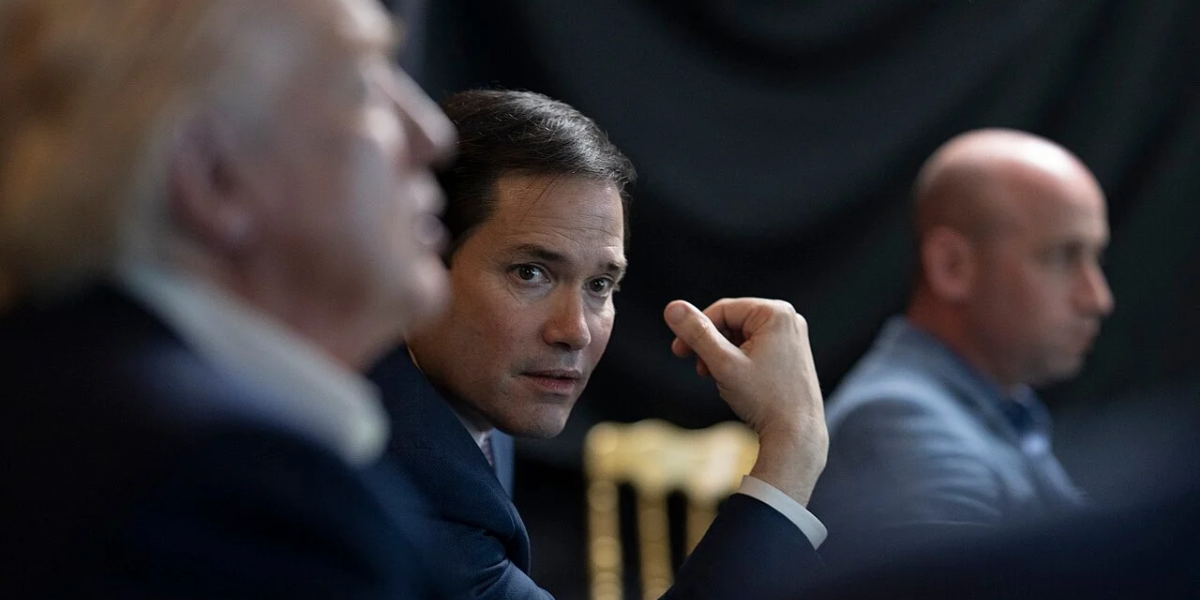
Trump Revives Possibility of Military Action Against Cuba Amid Wider Foreign Policy Tensions
President Donald Trump renewed discussion of possible American military involvement in Cuba during a Friday rally in Fort Myers, Florida, suggesting that U.S. warships returning from operations involving Iran could make a stop near the Caribbean island. The remarks represented another escalation in the administration's public pressure on Havana, although Trump did not announce a specific military operation or timetable.
The president and Secretary of State Marco Rubio have repeatedly criticized Cuba's government and described its policies as a concern for American national security. The administration has also announced criminal charges against former Cuban leader Raúl Castro. Trump has previously suggested that direct military intervention might not be necessary, leaving uncertainty about whether the latest remarks signal a potential policy shift or continued diplomatic pressure.
Cuba remains in a prolonged economic crisis characterized by electricity shortages, food insecurity, inflation and declining economic activity. Its approximately 10 million residents have experienced recurring blackouts and shortages of essential goods, conditions that have intensified political and humanitarian concerns.
The renewed discussion comes against the backdrop of American military operations involving Iran and broader instability across the Middle East. Any direct U.S. intervention in Cuba would represent a major development in relations between Washington and Havana, with consequences for regional diplomacy, migration and security cooperation throughout the Caribbean.
For now, the administration has not publicly established a new operational plan for Cuba. The immediate questions are whether the White House or Pentagon provides further clarification and whether diplomatic activity changes in response to the president's comments.

Ukraine and Russia Move Toward Limited Ceasefire as Washington Pursues New Negotiations
Ukraine and Russia have agreed in principle to a temporary, localized ceasefire intended to allow humanitarian assistance and civilian evacuations in Oleshky, a Russian-occupied city in southern Ukraine. First lady Melania Trump announced the arrangement Friday following discussions involving Ukrainian, Russian and American representatives, marking an unusual diplomatic initiative centered on humanitarian relief.
Under the announced timetable, the ceasefire is expected to begin Tuesday, October 27, with humanitarian operations scheduled to follow two days later. The pause would last several days and is designed to permit relief deliveries and evacuations from an area facing severe humanitarian conditions. Russian military officials have indicated that their forces would observe the agreed suspension of hostilities, although Ukrainian negotiators have cautioned that implementation will be difficult.
The agreement comes as Washington pushes for renewed negotiations aimed at ending the broader war. Officials from Ukraine and Russia have signaled a willingness to discuss another round of talks, potentially in mid-November, but fundamental disagreements remain unresolved.
Moscow continues to demand control over Ukrainian territories it claims to have annexed, including areas that Russian forces do not fully occupy. Kyiv rejects proposals requiring unilateral territorial withdrawal and maintains that durable security guarantees are essential to any settlement. Those differences have repeatedly obstructed previous diplomatic efforts.
The limited Oleshky arrangement does not establish a nationwide ceasefire or resolve the central issues surrounding the war. Nevertheless, successful humanitarian access could demonstrate whether the parties can implement narrowly defined agreements while broader negotiations remain stalled.
International attention will focus on whether the ceasefire takes effect as scheduled, whether aid organizations can safely enter the area and whether the initiative creates an opening for further discussions. Continued military operations elsewhere in Ukraine remain a major obstacle to any comprehensive settlement.
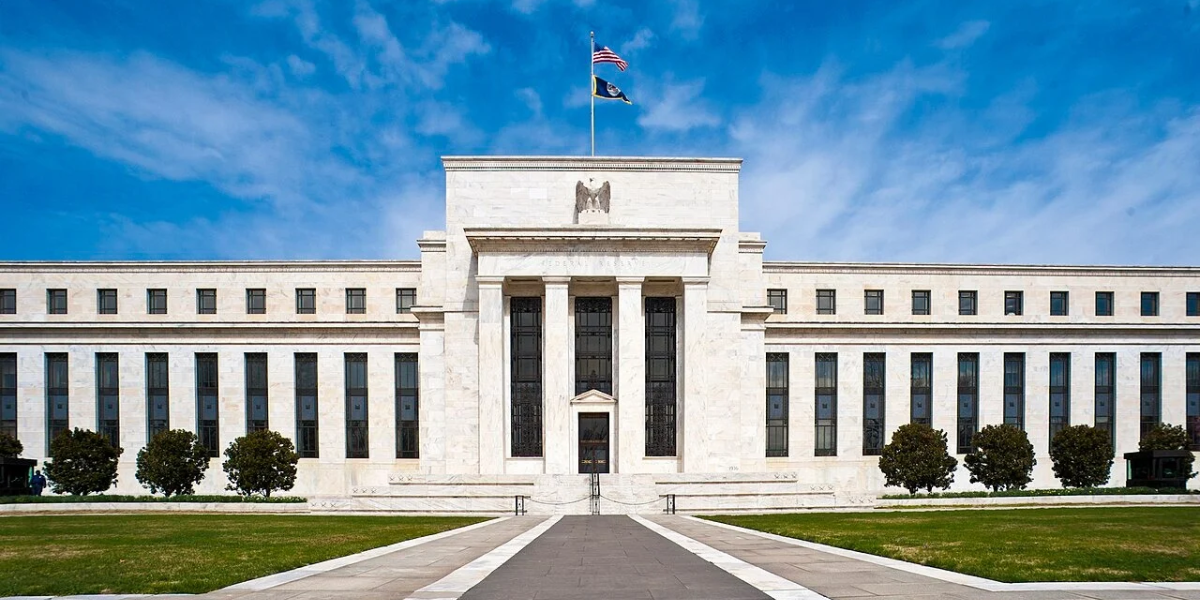
Inflation, Energy Costs and Corporate Earnings Put U.S. Economy Under Renewed Scrutiny
The American economy faces a consequential week of inflation figures, corporate earnings and Federal Reserve deliberations as households contend with elevated living costs and signs of slowing economic growth.
Economists expect third-quarter gross domestic product to expand at an annualized rate of approximately 1.7%, compared with 2.2% in the second quarter. The anticipated slowdown reflects pressure from higher energy prices, weaker household purchasing power and uncertainty surrounding trade policy.
Inflation remains a central concern. Forecasts indicate that the Federal Reserve's preferred inflation measure, the personal consumption expenditures price index, could rise to 3.7% in September from 3.4% in August. That would leave inflation substantially above the central bank's 2% target and complicate decisions about interest rates.
The Federal Reserve is expected to hold its benchmark interest rate steady at its upcoming meeting after raising rates in September. Policymakers face competing concerns: persistent inflation may require restrictive monetary policy, while slowing economic activity and labor-market weakness could make additional increases more difficult to justify.
Consumer sentiment has also weakened. Confidence fell to a more-than-decade low in September, and economists anticipate further deterioration as energy expenses and other household costs weigh on spending decisions. Rising heating-oil prices have become an additional concern in colder parts of the country ahead of winter.
Corporate earnings will provide another measure of economic conditions. Alphabet, Amazon, Intel, UPS, Coca-Cola, Starbucks, Exxon Mobil and Chevron are among the major companies expected to report results in the coming week. Investors will examine consumer demand, profit margins, energy-market conditions and the financial returns from substantial artificial intelligence investments.
The reports could help establish whether businesses are maintaining profitability through price increases, productivity improvements or spending reductions. They will also offer insight into whether AI-related capital expenditures are translating into measurable revenue growth.
With the midterm elections approaching, the combination of inflation data, central bank policy and household affordability is likely to keep the economy at the center of national attention.

Deadly Church Attack in Jordan Raises New Security Concerns Across the Middle East
Gunmen attacked a Greek Orthodox church during a funeral in the Jordanian city of Karak, killing seven people and injuring approximately 40 others, according to authorities. The assault took place roughly 110 miles south of Amman and prompted an investigation into the identities and motives of the attackers.
Footage broadcast by Jordanian state television appeared to show armed men approaching the church and opening fire. Authorities said the attack was carried out by unidentified assailants but had not established a motive or publicly confirmed whether the perpetrators had been captured.
The shooting represents a significant security incident in a country that has generally maintained greater domestic stability than several of its regional neighbors. Jordan is also a longstanding American security partner and plays an important diplomatic role in Middle Eastern affairs.
The attack occurred amid wider regional tensions involving Iran, ongoing instability in neighboring countries and persistent concerns about armed groups operating across the region. Authorities have not established a connection between the church shooting and those broader conflicts.
Elsewhere, humanitarian conditions in Yemen have continued to deteriorate. Residents of Taiz face an increasingly severe water shortage as restrictions associated with the Houthi encirclement limit access to essential supplies. Humanitarian organizations estimate that available water meets less than 10% of the needs of the city's population of more than one million people. Restrictions on roads also complicate deliveries of food, fuel and medicine.
Together, the developments highlight distinct but continuing challenges involving civilian protection, access to basic necessities and regional security. Jordanian authorities are expected to provide further findings from their investigation, while international relief organizations continue pressing for improved humanitarian access in Yemen.
Looking Ahead
The coming week will bring several developments with significant implications for U.S. politics, economic policy and international affairs. Courts are expected to consider challenges involving election administration in California as early voting continues ahead of the November 3 midterms. Federal Reserve policymakers will assess fresh inflation and growth figures, while earnings from major technology, consumer and energy companies could clarify the economic outlook.
Overseas, attention will turn to the planned October 27 humanitarian ceasefire in Oleshky and whether Ukrainian and Russian officials can translate the limited agreement into broader negotiations. Washington's next statements on Cuba will also be closely watched for clarification of the administration's intentions. In Jordan, investigators are working to identify those responsible for the deadly church attack as regional governments assess its security implications.
The next several days will test whether legal disputes, economic pressures and diplomatic initiatives produce concrete changes before Americans head into the final week of the midterm campaign.