
Trump Campaigns Ahead of Midterms as Election Disputes Intensify, Israel Votes and Ukraine Ceasefire Begins
President Donald Trump intensified his campaign efforts Tuesday as Republicans faced mounting pressure over the economy, the Iran war and the approaching November 3 midterm elections. Federal courts weighed consequential disputes involving voter eligibility and immigration enforcement, while new consumer confidence figures highlighted Americans' continuing concerns about living costs. Internationally, Israelis voted in a closely contested election that could determine Prime Minister Benjamin Netanyahu's political future, and a limited humanitarian ceasefire began in southern Ukraine. Meanwhile, artificial intelligence company Anthropic moved toward a potentially historic public offering, underscoring the expanding financial stakes of the AI industry.

Trump Steps Up Midterm Campaign as Economic Concerns and Iran War Shape Congressional Races
President Donald Trump traveled to Texas on Tuesday to campaign for Republican Senate candidate Ken Paxton, making appearances in Corpus Christi and Lubbock as the party sought to defend its congressional position ahead of the November 3 midterm elections. The trip followed a campaign appearance in Mississippi on Monday and marked Trump's third visit to Texas since September. His increasingly active campaign schedule reflected the importance of Republican turnout in states that have traditionally favored the party, as well as concerns about competitive congressional races nationwide.
The election is unfolding against a complicated economic and foreign-policy backdrop. Although the U.S. economy continues to expand and stock markets have performed strongly, many households remain concerned about elevated consumer prices, borrowing costs and gasoline expenses. The continuing war involving Iran has added another dimension to the campaign, raising questions about military commitments, energy prices and the administration's foreign-policy priorities. Republican candidates have emphasized economic growth and the administration's agenda, while Democratic candidates have focused on affordability and the consequences of Republican governance.
The political environment is particularly consequential in competitive House districts, where relatively small shifts in voter turnout could determine control of Congress. Republicans are also defending important Senate seats, including in Maine, where Senator Susan Collins faces a difficult reelection contest. Polling and voter interviews indicate that the cost of living remains a major concern, although economic dissatisfaction does not necessarily translate into uniform support for either party.
With Election Day one week away, both parties are concentrating resources on turnout operations, early voting and persuading undecided voters. The final campaign stretch will test whether Trump's personal appearances can strengthen Republican participation and whether concerns about prices and international conflict influence voters' congressional choices.
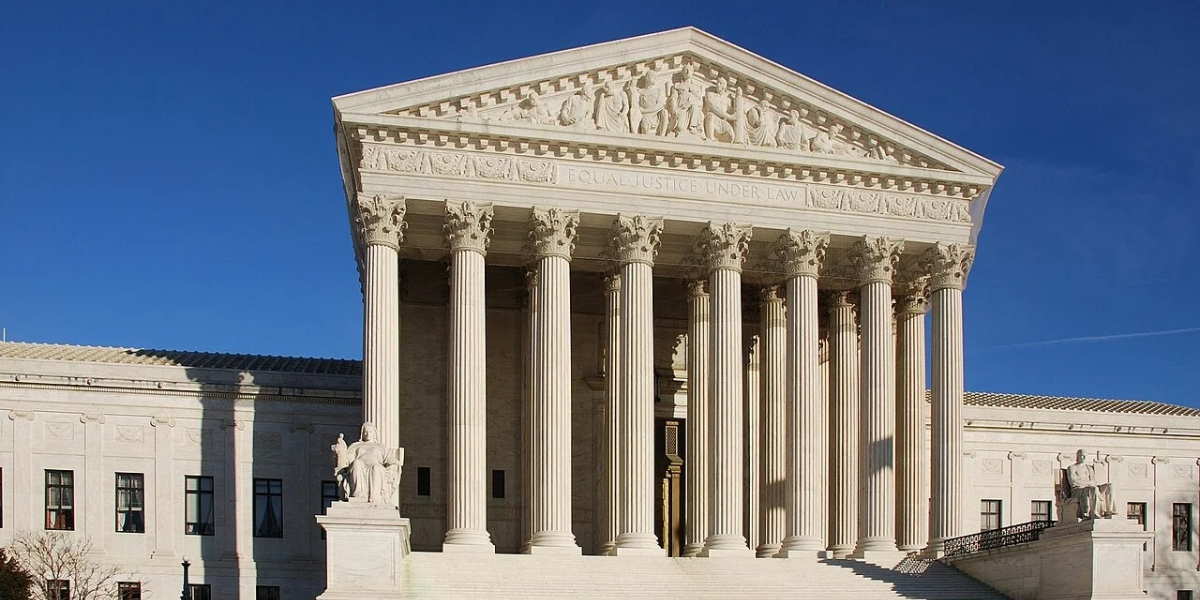
Federal Courts Confront Election Ballot Disputes and Immigration Enforcement Authority
Federal courts addressed several politically significant disputes Tuesday as the Justice Department pursued election-related legal actions shortly before the midterms. In California, a federal appeals court declined to block the counting of approximately 20,000 disputed ballots following allegations concerning voter eligibility. The Trump administration had sought intervention over ballots associated with alleged noncitizen voting, but the court did not grant the requested restriction.
The dispute reflects broader disagreements over election administration, voter registration safeguards and the standards required to challenge ballots. Voting by noncitizens in federal elections is illegal, but allegations involving voter rolls do not necessarily establish that ineligible individuals cast ballots. Election officials must distinguish between registration discrepancies, eligibility questions and documented unlawful voting. The Justice Department also asked Washington state to withhold counting certain mail ballots linked to possible noncitizens, extending the administration's legal scrutiny of election procedures across multiple states.
In a separate immigration ruling, the Supreme Court declined to intervene in a dispute over whether immigration judges could pause certain deportation proceedings. The case involved an effort to restore authority under a Biden-era regulation that allowed judges greater discretion to temporarily suspend some cases. The justices' decision left the existing restrictions in place without resolving every underlying legal question.
The immigration decision carries practical consequences for federal immigration courts, where judges manage large caseloads involving removal proceedings, eligibility for relief and procedural disputes. Authority to pause cases can affect how courts allocate resources and how individuals pursue related immigration applications. The ruling also illustrates the continuing judicial scrutiny of immigration policy as the Trump administration seeks to maintain stricter enforcement procedures.
Together, the election and immigration cases highlight the federal judiciary's role in resolving disputes over executive authority and administrative procedures. Additional litigation remains possible as states prepare to finalize voting operations and federal agencies implement existing court decisions.

Consumer Confidence Rebounds as Wall Street Gains Support From Artificial Intelligence Stocks
American consumer confidence improved in October as gasoline prices eased modestly, offering a limited sign of relief for households struggling with persistent living-cost pressures. The latest Conference Board figures, released Tuesday, showed sentiment recovering from earlier weakness, although consumers continued to face significantly higher fuel costs than a year earlier.
The improvement suggests that relatively small changes in everyday expenses can influence household perceptions of the economy. Gasoline prices are especially visible to consumers, affecting commuting, transportation and household budgets. However, lower prices at the pump do not necessarily offset broader pressures from housing, groceries, insurance and borrowing costs. Consumer confidence remains an important indicator because household spending accounts for roughly two-thirds of U.S. economic activity.
Financial markets, meanwhile, moved closer to record levels Tuesday, supported by gains in technology and artificial intelligence-related shares, including semiconductor company Broadcom. Investor enthusiasm for AI infrastructure continued to provide support for major stock indexes despite uncertainty surrounding inflation and interest rates. Companies supplying chips, networking equipment and data-center technology remain central to expectations of sustained corporate investment in artificial intelligence.
The divergence between financial-market performance and household economic sentiment has become a prominent feature of the current economic environment. Rising share prices can strengthen retirement accounts and investment portfolios, but their benefits are unevenly distributed. Consumers without substantial stock holdings are more directly affected by wages, rent, mortgage rates and daily expenses.
Investors were also preparing for the Federal Reserve's interest-rate decision following its September increase. Persistent inflation has complicated the central bank's effort to balance price stability with continued economic expansion. The next policy announcement and subsequent inflation readings will help determine whether borrowing costs remain elevated into the end of the year.

Israel Holds Closely Contested Election as Netanyahu Faces Uncertain Political Future
Israelis went to the polls Tuesday in a general election that could reshape the country's government and influence its approach to regional security, diplomacy and domestic political disputes. Prime Minister Benjamin Netanyahu faced a competitive contest, with exit polling suggesting that neither the governing bloc nor its opponents had secured a clear parliamentary majority.
The election comes during a period of significant regional instability, with Israel's security environment shaped by continuing conflict and tensions involving Iran. Voters have also been weighing domestic concerns, including economic pressures, political accountability and the composition of the next governing coalition.
Israel's parliamentary system requires parties to assemble a majority in the 120-seat Knesset to form a government. Because no single party typically wins enough seats to govern alone, coalition negotiations can be as consequential as the election results themselves. Smaller religious, nationalist and centrist parties may play decisive roles in determining whether Netanyahu remains prime minister or an alternative governing alliance emerges.
The preliminary results underscored the uncertainty surrounding Netanyahu's political future. Exit polls are projections rather than certified results, and relatively small differences in final seat allocations can change the range of possible governing coalitions. Even a party that wins the largest number of seats may struggle to form a government if potential partners cannot agree on policy priorities or leadership.
The outcome has implications beyond Israel. Washington maintains extensive security and diplomatic ties with the country, while regional governments are watching how the election may affect military operations, relations with neighboring states and prospects for diplomatic engagement. The composition of the next government could also influence Israel's positions on regional security arrangements and future negotiations.
Official vote counting and coalition discussions will determine whether Netanyahu can assemble another governing majority. A prolonged negotiation period remains possible if the final results leave competing blocs without a clear path to power.

Limited Ukraine Ceasefire Begins as Anthropic Advances Toward Major Public Offering
A localized ceasefire began Tuesday in southern Ukraine to support humanitarian operations in Oleshky, a Russian-held city in the Kherson region where civilians have faced severe shortages of essential supplies. The temporary arrangement, brokered with the involvement of U.S. first lady Melania Trump, was intended to create an opportunity for humanitarian assistance and evacuation-related activities.
The ceasefire is expected to continue through Saturday, although its effectiveness remains uncertain. Russian attacks continued elsewhere in Ukraine, underscoring that the localized agreement does not constitute a broader suspension of hostilities. The arrangement is therefore being treated as a limited humanitarian measure rather than a comprehensive diplomatic breakthrough.
Diplomatic activity also intensified as Finnish President Alexander Stubb and Norwegian Prime Minister Jonas Gahr Støre held discussions with Russian President Vladimir Putin and subsequently communicated with Ukrainian President Volodymyr Zelenskyy. The Nordic leaders characterized their conversations with Putin as frank and substantive, but no wider ceasefire agreement was announced.
The immediate test will be whether humanitarian organizations can safely deliver assistance to civilians and whether the temporary cessation of fighting is respected by forces operating around Oleshky. The mission's outcome could help determine whether similar localized arrangements are feasible elsewhere along the front.
In a separate major business development, San Francisco-based artificial intelligence company Anthropic moved toward a potentially record-setting initial public offering after filing documents Monday for a possible Wall Street debut in November. The company, known for its Claude AI models, could become one of the most prominent publicly traded businesses focused on advanced artificial intelligence.
The filing follows a period of extraordinary investment in AI development, including spending on computing infrastructure, data centers and increasingly powerful models. Anthropic's potential listing would give public-market investors another opportunity to gain direct exposure to the sector while creating additional scrutiny of the company's revenue, operating costs, competitive position and long-term financial prospects.
The proposed offering also comes amid continuing debate about the risks associated with increasingly capable AI systems. Anthropic Chief Executive Dario Amodei has repeatedly warned about potential dangers from advanced artificial intelligence, and the company's disclosures identify risks that could affect investors and society.
The size, pricing and timing of the offering remain subject to market conditions and the securities registration process. Its eventual reception could provide an important measure of investor confidence in the commercial prospects of frontier AI developers.
Looking Ahead
The final week before the November 3 U.S. midterm elections will bring intensified campaigning, continued early voting and potentially consequential court decisions involving election procedures. Economic developments will also remain central to the national outlook as investors await the Federal Reserve's policy announcement and assess whether inflation pressures are beginning to ease. Congressional races in competitive states and districts will provide an important test of how voters weigh household affordability, foreign policy and the administration's record.
Internationally, Israel's final election results and subsequent coalition negotiations will determine the next phase of its political leadership, while humanitarian operations in southern Ukraine will test the durability of the localized ceasefire through Saturday. In business and technology, further disclosures surrounding Anthropic's proposed public offering will offer additional insight into the financial scale, opportunities and risks of the rapidly expanding artificial intelligence industry.