
Midterm Election Battles Intensify as Inflation Pressures Mount, Anthropic Files for Historic IPO and Iran Diplomacy Enters Critical Phase
The United States entered the final week before its midterm elections amid renewed political disputes over voting procedures, persistent inflation and mounting concerns about energy costs. Wall Street advanced ahead of major corporate earnings and a closely watched Federal Reserve decision, while artificial intelligence company Anthropic moved toward a potentially record-breaking public offering. Internationally, diplomatic delegations gathered in Iran to prevent renewed regional fighting, and Brazil's presidential election produced a consequential victory for incumbent Luiz Inácio Lula da Silva. Together, the developments underscored a news cycle shaped by economic uncertainty, electoral competition and geopolitical tensions.
Trump Faces Growing Economic Pressure as Midterm Elections Approach
President Donald Trump and Republican candidates are confronting increasing voter frustration over the cost of living as the November 3 midterm elections approach. Inflation reached 3.7% in September, compared with approximately 3% when Trump returned to office in January 2025, adding to concerns about the affordability of groceries, housing, transportation and other household necessities.
Energy costs have become a particularly significant political issue. The war with Iran, which began February 28, has disrupted global petroleum supplies and contributed to higher fuel and shipping expenses. Average U.S. gasoline prices have climbed from approximately $2.98 per gallon before the conflict to $4.29 as of October 26. Diesel prices have increased even more sharply, from approximately $3.76 to $6.35 per gallon, raising operating costs for trucking companies, agricultural producers and businesses dependent on transportation.
Although economic growth remains positive, unemployment is relatively low and major stock indexes have recorded gains this year, rising everyday expenses have complicated the administration's economic message. Democrats have focused on affordability and the financial consequences of the Iran conflict, while Republicans have emphasized employment, investment and broader economic performance.
Political tensions also intensified over the weekend as Trump campaigned in Michigan, where the closely contested Senate race between Democrat Abdul El-Sayed and Republican Mike Rogers could help determine control of the chamber. Trump's remarks questioning El-Sayed's loyalty and associating him with extremism drew criticism from Arab American leaders, including former Trump supporter Bishara Bahbah. El-Sayed rejected the attacks.
Separately, federal courts continued examining Justice Department efforts involving state election procedures. A federal appeals court questioned the administration's legal arguments in a California voting dispute, while administration officials denied that a separate lawsuit involving Alaska's Senate election represented an attempt to interfere with election results.
With Republicans defending narrow congressional majorities, relatively small shifts in competitive districts could determine the balance of power in Washington. Both parties are concentrating resources on persuadable voters and turnout operations ahead of Election Day, with economic conditions and confidence in election administration emerging as central concerns.

Anthropic Files for Potentially Record-Breaking IPO as AI Investment Accelerates
Artificial intelligence developer Anthropic filed paperwork Monday for an initial public offering that could become the largest in stock market history, marking another major milestone in the commercialization of generative AI.
The San Francisco-based company is preparing for a potential Wall Street debut in November, according to reporting by the Associated Press. Depending on the size and final terms of the offering, Anthropic could surpass the $86 billion raised in SpaceX's June public offering, which established a new benchmark for IPO fundraising.
The filing would also position Anthropic to enter public markets ahead of rival OpenAI, as investors seek exposure to companies developing advanced AI models and enterprise applications.
Anthropic, known for its Claude family of AI systems, has become one of the most prominent competitors in the rapidly expanding market for generative artificial intelligence. Its technology is used in software development, business analysis, research and other professional applications.
A public listing would give investors greater visibility into the company's financial performance, operating expenses and commercial growth. It could also provide substantial additional capital for the computing infrastructure, specialized chips and data centers required to train and operate increasingly sophisticated AI systems.
The announcement comes amid continuing debate over the economic benefits and potential risks of advanced AI. Anthropic's chief executive has repeatedly warned that increasingly powerful systems could create serious risks for humanity, highlighting the tension between rapid technological development and demands for stronger safeguards.
For financial markets, the proposed offering represents a significant test of investor appetite for AI companies whose long-term profitability remains closely tied to substantial infrastructure spending. The final valuation, offering size and investor demand will help determine whether enthusiasm for artificial intelligence can support another historic market debut.
The next major developments will include the release of additional financial disclosures, indications of institutional investor demand and confirmation of the company's anticipated listing timetable.
Wall Street Advances Ahead of Federal Reserve Decision and Major Earnings Reports
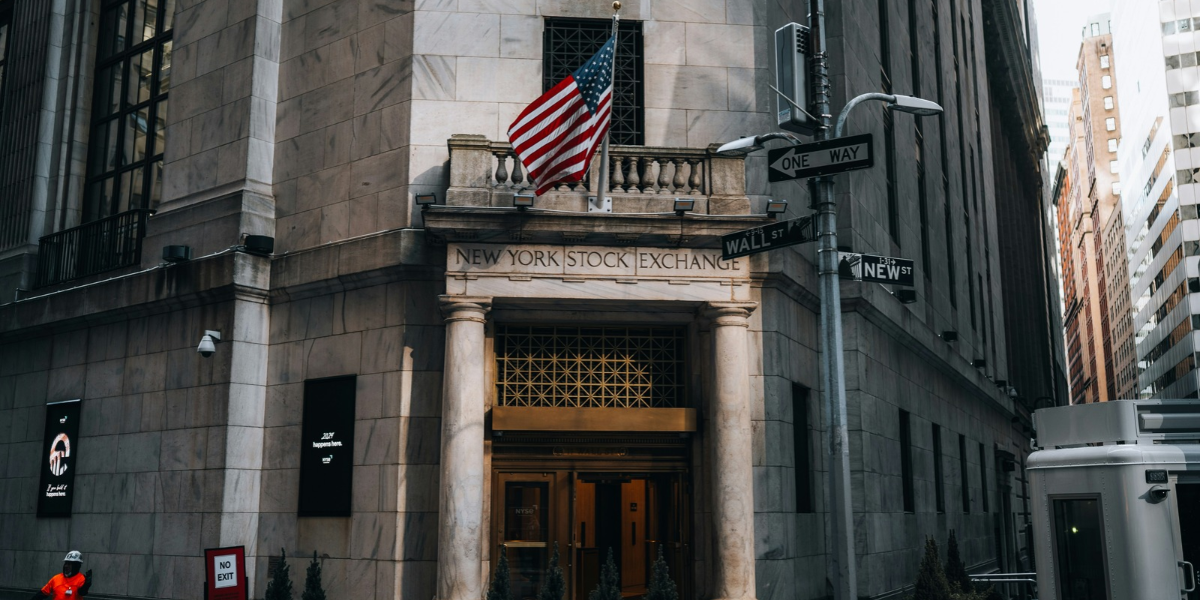
U.S. stocks finished higher Monday as investors prepared for a consequential week of corporate earnings, economic developments and central bank decisions.
The S&P 500 gained 0.7% to close at 7,676.77, while the Dow Jones Industrial Average rose 0.3% to 52,361.58. The technology-heavy Nasdaq Composite advanced 0.8% to 26,169.38, and the Russell 2000 index of smaller companies added 0.4%.
The gains followed two consecutive losing weeks for the broader market and came despite continued uncertainty surrounding the Iran conflict and global energy supplies.
Oil prices eased during Monday's trading, offering some relief to investors concerned about inflation. Benchmark Brent crude traded near $110 per barrel during the session, remaining elevated compared with levels before the conflict began. Higher petroleum costs continue to affect transportation, manufacturing and consumer spending, complicating the inflation outlook.
Investors are now turning their attention to the Federal Reserve's next interest-rate decision. Policymakers face a challenging combination of persistent price pressures and concerns that elevated borrowing costs could eventually weaken economic activity.
A major corporate earnings cycle will also test the strength of U.S. businesses. Nearly one-third of companies in the S&P 500 are expected to report quarterly results during the week, giving investors updated information about consumer demand, corporate profit margins, capital spending and the effects of tariffs.
Technology earnings will receive particular scrutiny as companies continue increasing investment in artificial intelligence infrastructure. Investors are seeking evidence that spending on advanced computing systems can translate into sustainable revenue and earnings growth.
Despite the recent volatility, U.S. equities have maintained substantial gains in 2026. Through Monday, the S&P 500 was up approximately 12.1% for the year, while the Nasdaq had advanced 12.6%.
The immediate focus will be on the Federal Reserve's policy announcement, commentary from central bank officials and earnings reports from major corporations. Those developments could determine whether Monday's recovery extends through the remainder of the week.
Regional Powers Hold Iran Talks as Israel Prepares for High-Stakes Election
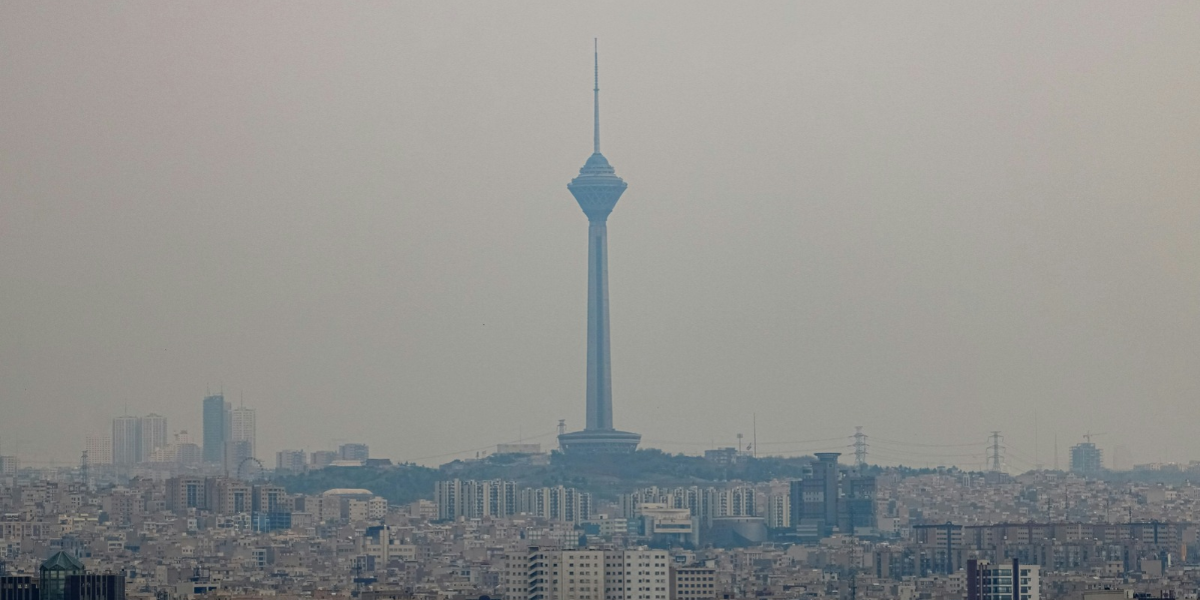
Diplomatic efforts to prevent renewed escalation in the Middle East intensified Monday as senior representatives from Saudi Arabia, Pakistan and Turkey traveled to Tehran for discussions with Iranian officials.
The delegations included Saudi Arabia's defense minister, Pakistan's army chief and Turkey's intelligence chief. Their meetings focused on possible diplomatic arrangements with Washington and the broader regional security situation, including developments in Yemen and attacks involving Iranian-backed Houthi forces.
The negotiations come after months of conflict involving Iran, the United States and Israel that have disrupted international energy markets and increased security concerns across the region.
Iranian officials have indicated that a negotiated settlement remains possible but continue to reject U.S. demands they characterize as requiring surrender. The competing positions illustrate the difficulties facing mediators attempting to establish terms acceptable to the principal parties.
Regional governments have strong incentives to prevent additional fighting. Disruptions to oil production and shipping have affected global energy prices, while the possibility of further military escalation threatens trade routes and economic stability.
The diplomatic push is unfolding alongside a major political development in Israel, where voters are scheduled to participate in national elections Tuesday.
Prime Minister Benjamin Netanyahu faces a closely contested election that could determine his political future after years of domestic turmoil and regional conflict.
The election is the first since the Hamas-led October 7, 2023, attack on Israel, an event that fundamentally reshaped Israeli politics and security policy. Netanyahu's leadership has remained deeply contested amid prolonged military operations, questions about national security and disagreements over the government's handling of the crisis.
The outcome could influence Israel's approach to Iran, regional security negotiations and relations with the United States. However, major Israeli political factions continue to share significant security concerns, suggesting that some policies may remain in place regardless of the election result.
For Washington, the coming days present overlapping diplomatic and domestic challenges. The Trump administration is seeking to manage the consequences of the Iran conflict while rising energy costs remain a prominent issue ahead of the U.S. midterms.
Attention will focus on whether the Tehran meetings produce a concrete diplomatic framework and whether Israel's election changes the political environment for future negotiations.
Lula Wins Brazil's Presidential Election as Opponent Challenges Results
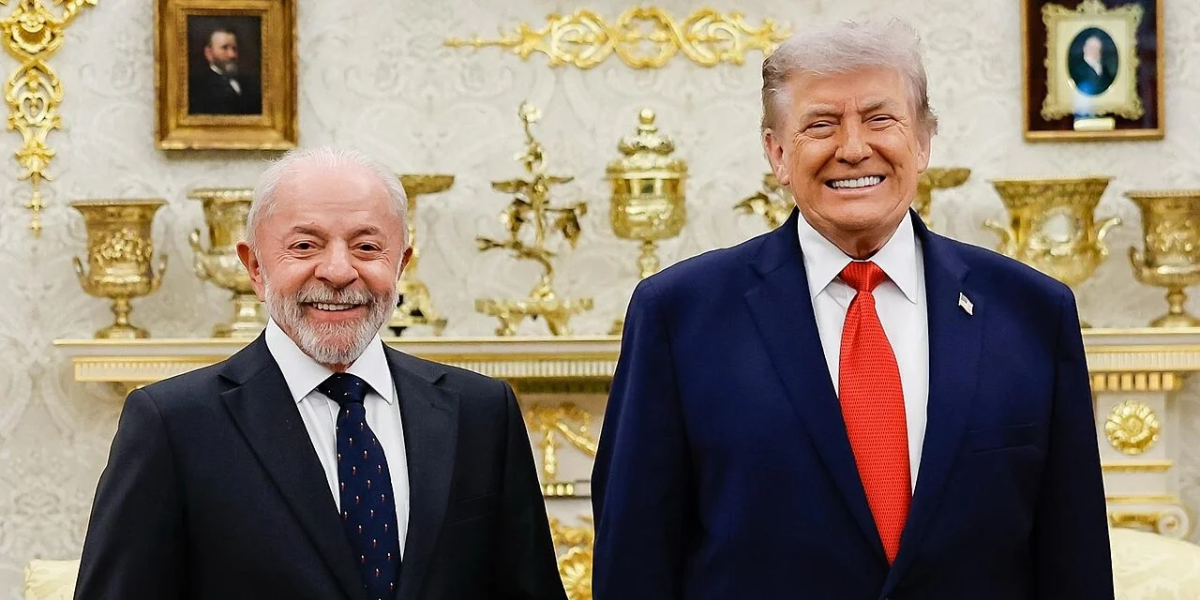
Brazilian President Luiz Inácio Lula da Silva secured reelection in Sunday's presidential runoff, defeating Senator Flávio Bolsonaro after overcoming a first-round deficit.
The result marks a significant political comeback for Lula, who trailed Bolsonaro by more than two million votes in the initial round before expanding his support in the runoff. Lula attracted approximately 10 million additional voters between rounds and ultimately won by nearly 4.4 million votes.
The election outcome preserves the left-leaning administration in Latin America's largest economy and contrasts with recent rightward political shifts elsewhere in the region.
However, the result has been challenged by Bolsonaro, who refused to concede and called for the election to be annulled.
The dispute centers partly on an unusual decision by a Brazilian Supreme Court justice to extend polling hours following transportation problems and severe weather in some areas. Both candidates had requested additional voting time, but the decision was announced shortly before polls were originally scheduled to close.
Some polling locations reportedly received the order after they had already closed, creating uncertainty about how consistently the extension was implemented.
Bolsonaro has described the decision as unprecedented and questioned the legitimacy of the final result. The official outcome nevertheless showed a substantial margin in Lula's favor, and the challenge had not overturned the election result as of Monday.
The dispute creates an immediate test for Brazil's electoral institutions as authorities respond to questions about voting procedures and the losing candidate's demands.
The election also carries important implications for U.S.-Brazil relations. Brazil is a major agricultural exporter, energy producer and participant in international climate and trade negotiations. Its government plays an influential role in regional diplomacy and maintains substantial economic relationships with both the United States and China.
President Trump has expressed opposition to the election outcome, adding a diplomatic dimension to the transition into Lula's next term.
Financial markets reacted cautiously to the result, with Brazilian equities declining sharply Monday as investors evaluated the election's implications for economic policy and political stability.
Lula's immediate priorities will include consolidating political support, addressing economic concerns and responding to the challenge to his victory. Brazilian authorities will also face scrutiny over the handling of election-related complaints and the implementation of the runoff's official result.
Looking Ahead
The next several days will bring major developments across politics, financial markets and international security. Israel's October 27 election will test Netanyahu's governing coalition and could influence the prospects for renewed Middle East diplomacy. In Washington, the Federal Reserve's interest-rate decision and a wave of corporate earnings reports will provide fresh evidence about the strength of the U.S. economy, the persistence of inflation and the financial outlook for major technology companies.
The November 3 U.S. midterm elections remain the central domestic political event on the horizon, with control of Congress potentially determined by a relatively small number of competitive races. Meanwhile, investors will watch Anthropic's planned public offering, regional diplomats will assess whether negotiations with Iran can prevent further escalation, and Brazilian officials will address challenges to the country's presidential election result. Together, these developments will shape the political and economic outlook heading into November.