
Iran Peace Talks Gain Momentum, Wall Street Surges as Oil Prices Fall, and Washington Faces New Political Turmoil
The United States entered a consequential post-election week Monday as Democrats prepared to assume control of Congress, a Republican lawmaker moved to impeach Defense Secretary Pete Hegseth, and President Donald Trump faced renewed scrutiny over his administration's military and immigration policies. Internationally, diplomatic efforts to contain the Iran conflict gained momentum while Russia and Ukraine prepared for another round of U.S.-brokered peace negotiations. Financial markets responded to falling oil prices with their strongest rally in months, even as a national security investigation involving Nvidia's chief executive raised fresh questions about the technology industry's exposure to foreign intelligence operations.
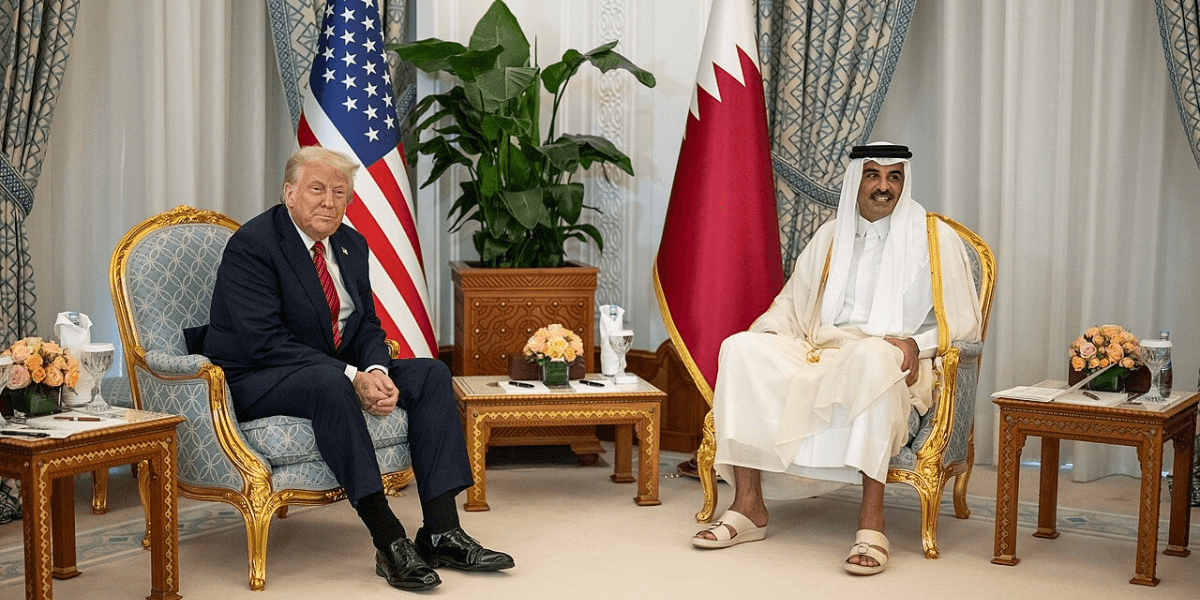
Iran Peace Efforts Advance as Washington Weighs Its Military and Diplomatic Options
Diplomatic efforts to reduce hostilities involving the United States and Iran continued Monday amid signs that Washington may hold off on additional military strikes while negotiations remain active. President Trump indicated that renewed attacks were highly unlikely as long as discussions toward ending the conflict continued, offering a conditional opening for diplomacy after months of regional instability.
The administration's position comes amid continuing debate over the objectives, costs, and legal basis of the military campaign. Secretary of State Marco Rubio defended the administration's actions, arguing that preventing Iran from developing a nuclear threat justified the intervention even if the conflict remained unpopular with segments of the American public. Iranian officials, however, rejected Rubio's characterization of Tehran's negotiating demands, underscoring the considerable distance between the parties.
Qatar remained an important diplomatic intermediary, with Trump expected to meet its prime minister Monday as efforts continued to identify terms for reducing hostilities. The discussions carry implications beyond the United States and Iran, particularly for Gulf governments facing threats to energy infrastructure, shipping routes, and regional security.
Violence elsewhere in the region illustrated the fragility of those efforts. Houthi authorities in Yemen reported that 44 people had died in airstrikes near the capital, Sanaa, over the weekend, with women and children reportedly among the victims. The casualty figures came from Houthi-controlled health authorities and were not independently established. Separately, a Houthi attack damaged a Saudi Aramco office building in Riyadh, prompting security concerns before Saudi authorities lifted an alert Monday.
The broader diplomatic agenda also reached Europe, where foreign ministers from the Group of Seven gathered in Paris for discussions covering Iran, Ukraine, energy security, and international economic stability. The meetings offered U.S. allies an opportunity to assess whether Washington's approach might change following the midterm elections.
For financial markets and governments alike, the central issue is whether negotiations can produce a durable reduction in hostilities. Any agreement affecting military operations, regional shipping security, or Iranian energy supplies could have immediate consequences for global oil prices and inflation.
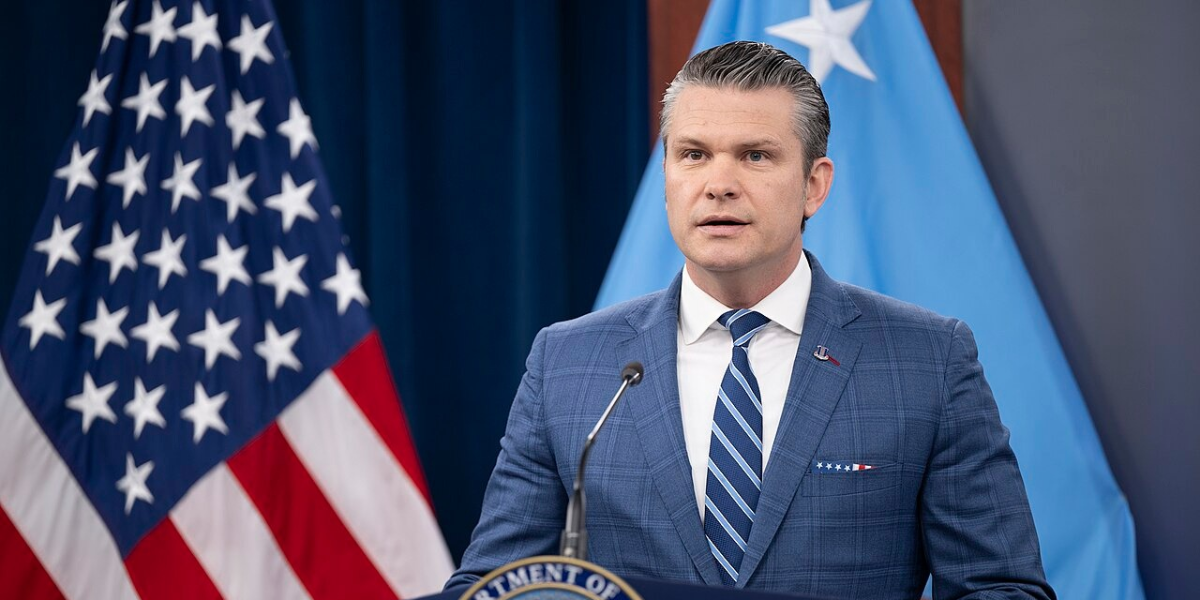
Congressional Confrontation Builds as Republican Lawmaker Moves to Impeach Defense Secretary
Washington's political landscape shifted further Monday as lawmakers returned to Capitol Hill following Democratic victories in the November 3 midterm elections. With Democrats preparing to take control of both chambers in January, the Trump administration faces the prospect of intensified congressional oversight, investigations into executive actions, and renewed legislative battles over healthcare, immigration, and military policy.
The immediate confrontation centered on Defense Secretary Pete Hegseth after Republican Representative Thomas Massie of Kentucky filed a resolution seeking his impeachment. The measure accuses Hegseth of misconduct related primarily to U.S. military operations against Iran, while also challenging his role in military actions involving Yemen and Venezuela. Massie contends that the defense secretary exceeded constitutional and legal limits on the use of military force. Those allegations have not been established through an impeachment proceeding.
President Trump defended Hegseth and criticized Massie's effort, while Secretary of State Marco Rubio also expressed support for the defense secretary. The House could consider the resolution as early as this week, although impeachment would not automatically remove Hegseth from office. That would require conviction by a two-thirds majority in the Senate following a House vote approving articles of impeachment.
The dispute highlights divisions within the Republican Party after its midterm losses, particularly over the administration's handling of the Iran conflict. Democrats, meanwhile, are preparing an oversight agenda that could examine military decision-making, Justice Department conduct, immigration enforcement, and the use of executive authority. House Democratic leaders have also identified healthcare affordability and efforts to end the Iran war as early priorities for the next Congress.
The immediate question is whether the impeachment resolution can attract sufficient support to advance before the new Congress convenes January 3. Regardless of the outcome, the measure signals that the administration's military strategy will remain a central point of congressional scrutiny.

Wall Street Posts Strongest Rally Since April as Oil Prices Fall and Nvidia Faces Security Investigation
U.S. stocks surged Monday as declining oil prices and stronger-than-expected corporate earnings helped investors recover much of the ground lost during the previous week's market selloff. The rebound reflected growing expectations that diplomatic efforts involving Iran could reduce pressure on global energy supplies, even as investors continued evaluating the economic implications of the midterm elections and potential changes to technology regulation.
The S&P 500 gained 173.08 points, marking its strongest session since April, while the Dow Jones Industrial Average advanced 1,104.02 points and the technology-heavy Nasdaq Composite climbed 673.71 points. Smaller companies also participated in the rally, with the Russell 2000 rising 3.1%. Brent crude oil declined 5.8% to approximately $92.57 per barrel, easing concerns about energy-driven inflation and the potential for further increases in business and household costs.
Corporate earnings contributed to the recovery. Constellation Energy shares jumped 10.5% after the company reported results exceeding expectations, while artificial intelligence-related companies including Advanced Micro Devices and CoreWeave recovered from recent declines. Investors nevertheless remained concerned that higher borrowing costs, electricity demand, and potential regulatory changes could complicate the rapid expansion of AI data centers.
Nvidia stood apart from the broader technology rebound. Its shares fell 4.3% as the company investigated reports that chief executive Jensen Huang had been targeted by a Chinese intelligence operation. Reuters reported that the inquiry followed allegations involving Huang's relationship with a businesswoman suspected of providing information to Beijing.
Nvidia's board established an investigation involving independent directors and outside legal counsel. The company said it had no reason to believe that national security information or proprietary corporate secrets had been compromised. President Trump also said the FBI was examining the matter, although the allegations remained under investigation.
The case carries particular significance because Nvidia supplies advanced semiconductors central to artificial intelligence development and operates within an increasingly sensitive U.S.-China technology relationship. Any evidence of compromised information could raise questions about corporate security procedures and the protection of strategically important technologies.
The market's next test will be whether falling energy prices and corporate earnings can sustain the rebound as investors assess inflation, interest rates, and the changing political environment in Washington.

Russia and Ukraine Exchange Strikes Ahead of New U.S.-Brokered Peace Talks
Russia and Ukraine carried out another round of long-range attacks Monday, just hours before delegations were scheduled to meet in Abu Dhabi for renewed negotiations aimed at ending the nearly five-year war.
Russian forces targeted Ukraine's electricity infrastructure, extending a campaign that has repeatedly damaged the country's power system and disrupted civilian life. Ukrainian forces, meanwhile, struck a major Russian oil refinery, continuing efforts to weaken Moscow's energy infrastructure and the revenues supporting its military operations.
The attacks underscored the difficulty facing negotiators as the United States prepared to mediate two days of discussions beginning Tuesday, November 10. The talks would mark the first scheduled trilateral meeting involving American, Russian, and Ukrainian representatives since February, following previous diplomatic efforts that produced little visible progress.
Security guarantees were expected to dominate the agenda. Ukraine has sought credible assurances that any agreement would prevent renewed Russian military aggression, while Moscow has maintained its opposition to arrangements it considers threatening, particularly those involving NATO.
The role of European governments also remained unsettled. Russia indicated that the central negotiations would involve Moscow, Kyiv, and Washington, while French officials said European representatives would be present in the United Arab Emirates. European governments have argued that any lasting settlement must account for the continent's broader security interests.
The conflict continues to place pressure on both economies. Russia faces substantial military spending and constraints on its energy revenues, while Ukraine struggles with damage to infrastructure, civilian displacement, and the financial demands of sustaining its defense.
Washington's changing political environment adds another dimension to the talks. Democrats' expected control of Congress could reshape debate over U.S. military assistance, sanctions, and the administration's approach to negotiations. However, the executive branch would retain primary responsibility for conducting American diplomacy.
The immediate objective in Abu Dhabi will be determining whether the parties can establish a workable framework for further negotiations. A comprehensive settlement remains uncertain, with fundamental disagreements over territory, security arrangements, and the terms of any ceasefire still unresolved.
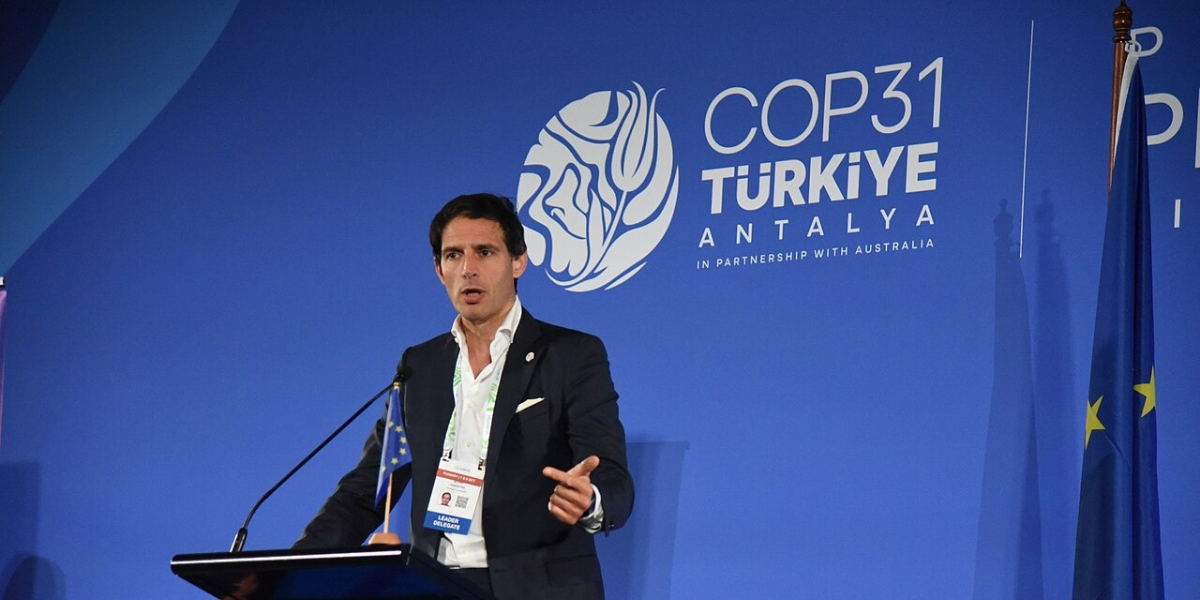
Global Climate Summit Opens in Türkiye as Governments Confront Energy Security and Emissions Goals
The United Nations' 31st annual climate conference, COP31, opened Monday in Antalya, Türkiye, bringing international negotiators together for two weeks of discussions on emissions reductions, climate financing, energy policy, and the implementation of existing international commitments.
The November 9–20 gathering comes as governments face competing pressures to expand reliable energy supplies, manage rising electricity demand, and limit the economic damage associated with extreme weather and climate change.
The conference is placing particular emphasis on implementation rather than the announcement of new long-term targets. Negotiators are expected to examine how governments can translate existing commitments into measurable changes in electricity generation, transportation, industrial production, and infrastructure investment.
Financing remains a central challenge. Developing economies have repeatedly argued that achieving emissions targets and preparing for increasingly severe climate impacts requires greater access to affordable capital, technology, and international assistance. Wealthier countries, meanwhile, face domestic budget constraints and disagreements over how financial responsibilities should be distributed.
The gathering also takes place against a complicated geopolitical backdrop. The Iran conflict has heightened concerns about global energy security, while expanding artificial intelligence infrastructure is increasing demand for electricity in several major economies. Those pressures have intensified debate over the pace and cost of transitioning away from fossil fuels.
Türkiye is hosting the conference, with Murat Kurum nominated as COP31 president and Australia's Chris Bowen serving as president of negotiations. A World Leaders' Summit is scheduled for November 11–12, when heads of government are expected to address the relationship between climate policy, economic development, and energy security.
For the United States, the discussions intersect with an evolving domestic energy debate. Democratic congressional leaders have indicated they intend to promote clean-energy investment as a way to address household electricity costs, while the Trump administration has emphasized fossil fuel production and energy affordability.
The conference's significance will ultimately depend on whether participating governments can reach practical agreements on financing, energy investment, and implementation measures before negotiations conclude November 20.
Looking Ahead
Tuesday, November 10, will bring several developments with potentially significant consequences for U.S. policy and international markets. The House could move closer to considering the impeachment resolution against Defense Secretary Pete Hegseth, while congressional leaders continue assessing the political consequences of the midterm elections and preparing for the transition to Democratic control in January.
Abu Dhabi will host the opening of renewed Russia-Ukraine peace talks, with negotiators expected to focus on security guarantees and the possibility of a broader diplomatic framework. Meanwhile, U.S.-Iran discussions and the G7 meetings in Paris could provide further indications of whether regional tensions are easing. Financial markets will be watching those developments alongside oil prices and the fallout from Nvidia's investigation.
Later in the week, the COP31 World Leaders' Summit will place climate financing and energy policy on the international agenda. Together, these developments will help determine whether the diplomatic openings and financial-market recovery seen Monday can translate into more sustained progress.