Democrats Prepare for Congressional Control as U.S. Job Growth Surges, Wall Street Rebounds and Iran War Threatens Global Shipping
The United States closed a consequential week with Democrats preparing to take control of Congress following sweeping midterm election victories, while stronger-than-expected employment figures complicated the Federal Reserve's interest-rate outlook. Wall Street recovered some of its losses after a sharp sell-off in artificial intelligence stocks, and renewed attacks on commercial shipping in the Persian Gulf underscored the continuing economic and security risks of the Iran war. Meanwhile, federal health officials reported that measles infections had surpassed 5,000 nationwide, marking another significant development in the country's worsening outbreak.
Democrats Prepare for New Congressional Majority as Republicans Confront Midterm Defeat
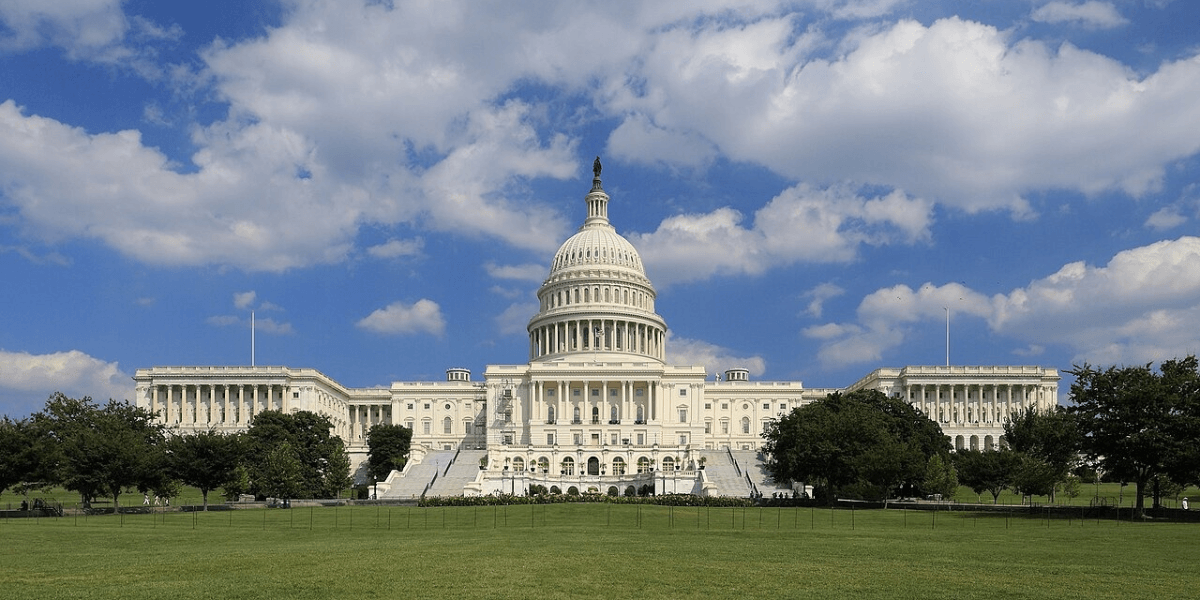
Democrats moved forward with plans for a new congressional majority on Friday, November 6, following decisive victories in Tuesday's midterm elections that shifted control of both the House of Representatives and the Senate away from Republicans. The results represent a major change in Washington's political landscape, setting up divided government for the remaining two years of President Donald Trump's second term. Democratic candidates gained ground across competitive suburban districts and several traditionally Republican areas, with voter concerns about living costs, healthcare and the prolonged conflict with Iran featuring prominently in the election. Although several races remained unresolved, the overall outcome established that Democrats would control both chambers when the new Congress convenes in January.
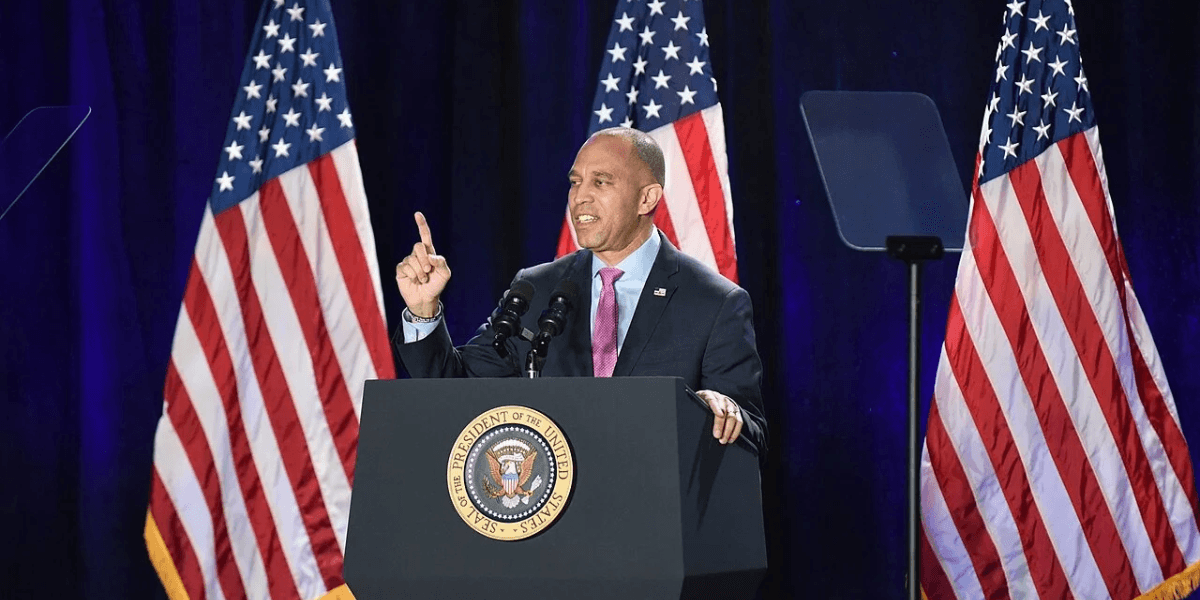
Democratic leaders began outlining their legislative and oversight priorities, including proposals addressing household expenses, healthcare funding and investigations into executive branch activities. House Democratic Leader Hakeem Jeffries is positioned to become the first Black speaker of the House, while Senate Democratic Leader Chuck Schumer faces the task of organizing the incoming majority. Republicans, meanwhile, began evaluating their leadership structure after the losses. House Speaker Mike Johnson indicated he would not seek the Republican leadership position in the next Congress, opening a contest involving senior party figures. Trump acknowledged that the Iran war and elevated energy prices contributed to Republican setbacks, while maintaining his defense of the administration's military decisions. The immediate focus now turns to the outgoing Congress, which must address outstanding government funding matters before the transition. The incoming Democratic majorities will have expanded authority over legislation, committee investigations and federal spending negotiations, although presidential veto power and Senate procedural requirements will continue to shape what Congress can accomplish.

U.S. Economy Adds 165,000 Jobs as Stronger Hiring Complicates Federal Reserve Outlook
The American labor market delivered a stronger-than-expected performance in October, with employers adding 165,000 jobs, according to figures released Friday by the Bureau of Labor Statistics. The increase substantially exceeded economists' forecasts of approximately 65,000 positions and marked an improvement from September's upwardly revised gain of 60,000 jobs. The unemployment rate edged down to 4.1% from 4.2%, while the number of unemployed Americans stood at approximately 7.1 million. Employment gains were concentrated in professional and business services, healthcare, and transportation and warehousing. Professional and business services alone added 70,000 positions, suggesting continued demand for workers in several important segments of the economy despite elevated borrowing costs and uncertainty surrounding global energy markets.
The report introduced another consideration for Federal Reserve officials balancing employment conditions against inflationary pressures associated with the Middle East conflict. Stronger hiring reduces immediate concerns about a sharp deterioration in the labor market, but it also gives policymakers greater flexibility to maintain restrictive monetary conditions or consider additional interest-rate increases if inflation remains persistent. The economic implications extend to mortgage rates, business borrowing, consumer credit and investment decisions. Higher oil prices have already complicated the inflation outlook, raising transportation and production expenses while putting pressure on household budgets. Financial markets responded to the employment figures with higher Treasury yields as investors reassessed the likely direction of monetary policy. The central bank's December policy meeting is emerging as an important test of whether stronger domestic employment can offset the economic risks posed by energy disruptions, geopolitical instability and recent financial-market volatility.
Wall Street Recovers From AI Sell-Off, but Technology Shares End a Difficult Week
U.S. stocks stabilized Friday after a steep technology-led decline rattled global financial markets earlier in the week. The Nasdaq Composite rose approximately 1.1% to close at 24,579.42, while the S&P 500 gained 0.3% to finish at 7,376.86. The Dow Jones Industrial Average moved in the opposite direction, falling 0.5% to 51,285.73. Semiconductor manufacturers helped lead the recovery, with the Philadelphia Semiconductor Index advancing approximately 4.2% after suffering substantial losses in the previous session. Shares of Nvidia and several other major chipmakers rebounded as investors returned selectively to technology companies following Thursday's sharp decline. Despite Friday's improvement, the Nasdaq lost approximately 3.4% for the week, while the S&P 500 declined 2.7%, reflecting continuing uncertainty about the valuations and earnings prospects of companies closely tied to artificial intelligence.
The turbulence followed growing investor concerns about the enormous capital expenditures required to develop AI infrastructure, the sustainability of expected returns and the prospect of tighter regulation under the incoming Democratic Congress. Thursday's sell-off had pushed the Nasdaq down approximately 5.5% in a single session, erasing trillions of dollars in market value and spreading losses across international exchanges. The market reaction also highlighted the extent to which a relatively concentrated group of technology companies has influenced broader U.S. equity performance. Investors are increasingly examining whether anticipated AI revenue growth can justify spending on data centers, advanced semiconductors, electricity infrastructure and computing capacity. Friday's rebound suggested that some investors remained willing to purchase shares following large declines, but it did not eliminate concerns about industry valuations. The combination of a changing political environment, higher interest-rate expectations and expanding AI investment commitments is likely to remain central to market sentiment as companies release additional earnings reports and spending forecasts.

Deadly Tanker Attack in Persian Gulf Raises New Concerns Over Iran War and Oil Supplies
The continuing conflict involving the United States and Iran intensified concerns about maritime security Friday after an explosion aboard an oil tanker in the Persian Gulf killed a crew member. The Marshall Islands-flagged MT Velos Sapphire, operated by Greek management company Velos Tankers, was traveling toward Bahrain when it was struck in what authorities and maritime observers suspected was a missile attack. The explosion caused a fire aboard the vessel, which the crew subsequently extinguished. The ship reached Bahrain's Khalifa Bin Salman Port, where an investigation was expected to examine the damage and circumstances surrounding the incident. The attack came amid a series of reported strikes against commercial vessels operating near the Strait of Hormuz, a strategically important shipping passage connecting Persian Gulf oil exporters with international markets.
The latest violence added to uncertainty surrounding energy supplies and the broader direction of the eight-month conflict. British maritime authorities reported more than 35 security incidents in the Strait of Hormuz during October, with additional attacks occurring in early November. Iranian authorities also reported fires aboard other vessels, although some accounts of the incidents remained independently unverified. The disruptions have increased shipping risks, complicated insurance and transportation arrangements, and contributed to elevated international oil prices. Brent crude traded near $98 a barrel Friday, while U.S. benchmark crude remained around $90. The economic consequences are particularly important for American consumers and businesses because sustained energy-price increases can affect gasoline costs, freight charges, manufacturing expenses and inflation expectations. Diplomatic efforts to contain the conflict remain uncertain, with Trump indicating that decisions about further military action could come soon. The immediate outlook depends on whether additional attacks occur, whether commercial shipping can continue safely through the region and whether diplomatic intermediaries can make progress toward reducing hostilities.

U.S. Measles Cases Surpass 5,000 as Health Officials Confront Widespread Outbreaks
Federal health officials reported Friday that measles infections in the United States had surpassed 5,000 during 2026, reaching the highest annual level recorded since 1991. Updated Centers for Disease Control and Prevention figures showed 5,182 confirmed cases as of November 5, an increase of 330 from the agency's previous update. Infections had been reported across 45 states and Washington, D.C., demonstrating the geographic extent of the outbreak. CDC figures also showed that 562 patients had been hospitalized, representing approximately 11% of reported cases. Adults aged 20 and older accounted for 2,132 infections, while children and teenagers between ages 5 and 19 represented another 2,104 cases. Children younger than 5 accounted for 908 infections, underscoring the risks facing younger populations.
The outbreak has renewed attention to vaccination coverage, community transmission and the capacity of public health systems to contain highly contagious diseases. According to federal data, approximately 96% of reported infections occurred among people who were unvaccinated or whose vaccination status was unknown. The CDC identified 43 outbreaks during the year, with approximately 4,993 infections linked to those clusters. Measles spreads through the air and can cause serious complications, including pneumonia and inflammation of the brain, particularly among young children and people with weakened immune systems. Public health agencies have emphasized the importance of the measles, mumps and rubella vaccine, which provides strong protection against infection. The rising case count also places additional demands on local health departments responsible for identifying exposures, notifying contacts and coordinating vaccination efforts. With infections continuing across multiple states, the next federal updates will help determine whether transmission is slowing or whether additional communities are experiencing sustained outbreaks.
Looking Ahead
Washington's political transition, the Federal Reserve's monetary policy outlook and developments in the Iran war will remain central to the coming week's news. Congressional leaders face immediate decisions about government funding and party leadership before the new Congress takes office in January, while investors will assess whether October's strong employment figures alter expectations for the Federal Reserve's December meeting. Additional corporate earnings reports and economic indicators will also provide evidence about the durability of the U.S. expansion and the financial outlook for artificial intelligence companies.
International attention will focus on security in the Strait of Hormuz, diplomatic efforts surrounding the Iran conflict and the United Nations climate summit beginning in Turkey. Further disruptions to energy shipments could have consequences for global inflation and financial markets. Domestically, upcoming CDC surveillance reports will provide another measure of the measles outbreak's trajectory as federal and state health agencies work to contain transmission. Together, these developments will help determine whether the United States enters the final weeks of 2026 facing greater economic stability or another period of political, financial and international uncertainty.