
Democrats Prepare Congressional Agenda, Trump Reshuffles White House, and Strong Jobs Report Steadies Markets as Iran Diplomacy Intensifies
The political and economic consequences of America's midterm elections continued to unfold Friday as Democrats outlined plans to use their incoming congressional majorities to address healthcare costs, trade policy and the war with Iran. President Donald Trump announced a major White House leadership change, elevating longtime adviser Stephen Miller to chief of staff. Meanwhile, stronger-than-expected U.S. employment figures helped stabilize financial markets following a sharp technology-driven sell-off, while Qatar's diplomatic efforts raised the possibility of renewed negotiations over Iran's nuclear program. Together, the developments highlighted the challenges facing Washington as the administration prepares for divided government, persistent affordability concerns and an unresolved Middle East conflict.
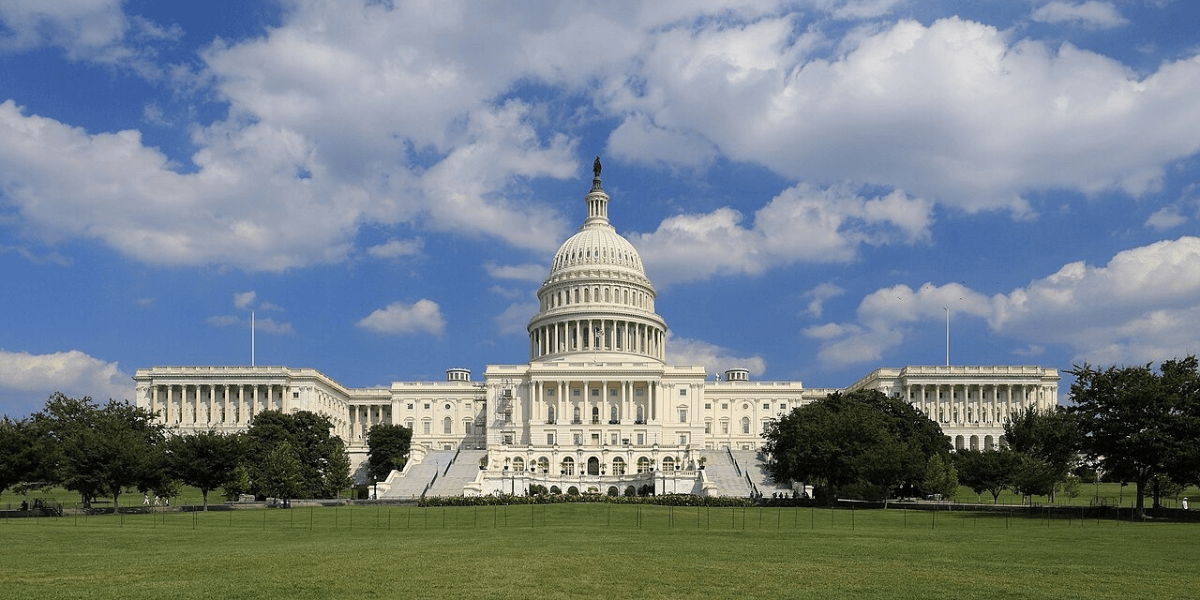
Democrats Outline Healthcare and Iran War Priorities Following Sweeping Midterm Victory
Democratic leaders are preparing an ambitious legislative agenda after winning control of both chambers of Congress in Tuesday's midterm elections, setting up a potentially contentious relationship with President Donald Trump during the final two years of his term. House Democratic leader Hakeem Jeffries, who is positioned to become the next speaker when the new Congress convenes January 3, said lawmakers intend to move quickly on healthcare affordability, federal spending priorities and legislation addressing the ongoing war with Iran. Democrats are expected to hold more than 250 seats in the 435-member House, providing a substantial majority for advancing their legislative proposals.
Among their initial priorities are restoring enhanced Affordable Care Act premium subsidies and reversing changes to Medicaid enacted under the Republican-controlled Congress. The Medicaid provisions, approved as part of Trump's major tax and spending legislation in 2025, are projected to reduce federal spending on the program by more than $900 billion over a decade. Enrollment has already fallen by approximately five million people since July 2025, according to healthcare research organization KFF, although not all of that decline can necessarily be attributed to the legislation. Democratic lawmakers also plan early votes on measures intended to end U.S. military involvement in Iran and reverse selected administration tariffs. Additional proposals addressing housing, groceries, energy and caregiving costs are being developed.
Despite their congressional majorities, Democrats face significant obstacles to turning their agenda into law. Most major legislation remains subject to the Senate's 60-vote threshold for overcoming a filibuster, while Trump retains presidential veto authority. Senate Democratic leader Chuck Schumer has indicated that his party will seek opportunities for bipartisan cooperation, particularly on healthcare subsidies, but has not committed to changing Senate filibuster rules. Republican leaders have warned that the new political arrangement could produce legislative gridlock. The immediate question is whether the election results translate into negotiated policy changes or an extended confrontation between Congress and the White House ahead of the 2028 presidential election.

Trump Names Stephen Miller White House Chief of Staff as Republicans Assess Election Defeat
President Trump announced Friday that Stephen Miller, one of his closest political advisers and a principal architect of his administration's immigration policies, will become White House chief of staff effective Monday, November 9. Miller will replace Susie Wiles, who is moving to Trump's political operation after serving as a central figure in the administration's management and coordination. The appointment comes just days after Republicans suffered substantial congressional losses, prompting debate within the party over its leadership, policy direction and electoral strategy.
Miller has played an influential role in shaping the administration's immigration enforcement agenda, including its mass-deportation initiatives and efforts to expand federal immigration operations. His elevation places a prominent advocate of those policies in one of the federal government's most consequential administrative positions. The chief of staff oversees White House operations, coordinates senior advisers and frequently serves as a principal intermediary between the president, Cabinet officials and congressional leaders. Trump described Miller as a trusted adviser and praised Wiles for her service. Democratic lawmakers criticized the appointment, while some Republicans also questioned whether the decision would help the party respond to voters' concerns following the election.
The leadership change comes as Republicans confront the scale of their midterm defeat and growing disagreements about the party's future. The results transferred control of both congressional chambers to Democrats, weakening Trump's ability to advance legislation without opposition-party support. Republican figures have offered differing assessments of the outcome, with some emphasizing public dissatisfaction over living costs and the Iran war and others questioning the party's political messaging and electoral coalition. Those disagreements are likely to intensify as congressional Republicans choose their leadership teams and potential 2028 presidential candidates begin positioning themselves. Miller's appointment suggests that the administration intends to maintain continuity in its immigration agenda even as the balance of power in Washington shifts.

U.S. Economy Adds 165,000 Jobs as Wall Street Rebounds From AI-Driven Sell-Off
The American labor market delivered a stronger-than-expected performance in October, with employers adding 165,000 jobs and the unemployment rate declining to 4.1%, according to employment figures released Friday. Economists had forecast approximately 65,000 additional positions, making the reported increase a notable upside surprise. The figures indicated that businesses continued hiring despite economic uncertainty surrounding trade restrictions, geopolitical tensions and persistent pressure on household budgets. However, continued employment growth has not eliminated public concerns about affordability, particularly as elevated prices for essential goods and services continue to constrain consumers' purchasing power.
The employment report arrived after a turbulent period for financial markets, which experienced a significant technology-led sell-off earlier in the week. On Thursday, the S&P 500 dropped 4.4%, its largest single-day decline since April 2025, while the Nasdaq Composite fell 5.5%. Investors had been reassessing the outlook for artificial intelligence companies and the substantial capital expenditures associated with expanding data centers. The incoming Democratic congressional majorities also introduced uncertainty over potential regulatory changes affecting AI infrastructure, energy consumption and corporate investment. Technology stocks recovered some of their losses Friday, helping the Nasdaq rise 1.1% and the S&P 500 gain 0.3%. The Dow Jones Industrial Average, however, declined 0.5%.
Despite Friday's stabilization, major U.S. stock indexes finished the week lower. The Nasdaq lost 3.4%, the S&P 500 declined 2.7%, and the Dow fell 0.9%, reflecting continued investor sensitivity to technology valuations and uncertainty over the economic implications of the election. The stronger employment figures also supported Treasury yields, as investors considered whether economic resilience could affect the Federal Reserve's approach to interest rates. The combination of healthy hiring and ongoing affordability concerns presents a complicated economic picture: employers continue to generate jobs, but inflation's cumulative effects remain significant for millions of households. Investors will be watching upcoming inflation figures, corporate earnings and Federal Reserve communications for indications of whether the economy can maintain its momentum without renewed price pressures.

Iran Reviews Qatar-Mediated Nuclear Proposals as Diplomatic Efforts Seek Path Toward Ending War
Diplomatic efforts to address the war between the United States and Iran gained renewed attention Friday as Iranian officials reviewed proposals developed through Qatar aimed at narrowing differences over Tehran's nuclear program. According to regional government officials familiar with the discussions, Qatari mediators have presented a potential preliminary arrangement designed to establish confidence-building measures before broader negotiations. The development represents a possible opening after more than eight months of conflict, although significant disagreements remain over the conditions required for a ceasefire and the future of Iran's nuclear activities.
The proposal under discussion reportedly involves reciprocal steps intended to reduce tensions. These could include easing the U.S. blockade, releasing some Iranian funds frozen under American sanctions and permitting International Atomic Energy Agency inspectors to access Iranian nuclear facilities previously struck by U.S. and Israeli forces. A subsequent stage could involve reopening the Strait of Hormuz under a temporary maritime arrangement developed by Iran and Oman, pending a broader agreement involving other Gulf states. The waterway is strategically important because it connects major Persian Gulf energy producers with international markets. Disruptions to shipping through the strait have contributed to global energy uncertainty and increased costs for businesses and consumers.
Nevertheless, the proposals remain preliminary, and there is no confirmed agreement to begin formal negotiations. Iranian officials have maintained that Washington must satisfy several conditions before Tehran will negotiate directly over its nuclear program. Those demands include sanctions relief, access to frozen assets and compensation related to the conflict. The Trump administration has insisted that nuclear restrictions must form part of any initial diplomatic settlement. The disagreement illustrates the difficulty of sequencing a potential agreement: Iran is seeking economic and security concessions before substantive nuclear negotiations, while Washington wants nuclear commitments incorporated into the opening stages. Qatar's mediation will be closely watched for evidence that either side is prepared to modify its position, particularly as the incoming Democratic Congress prepares to challenge the administration's handling of the war.
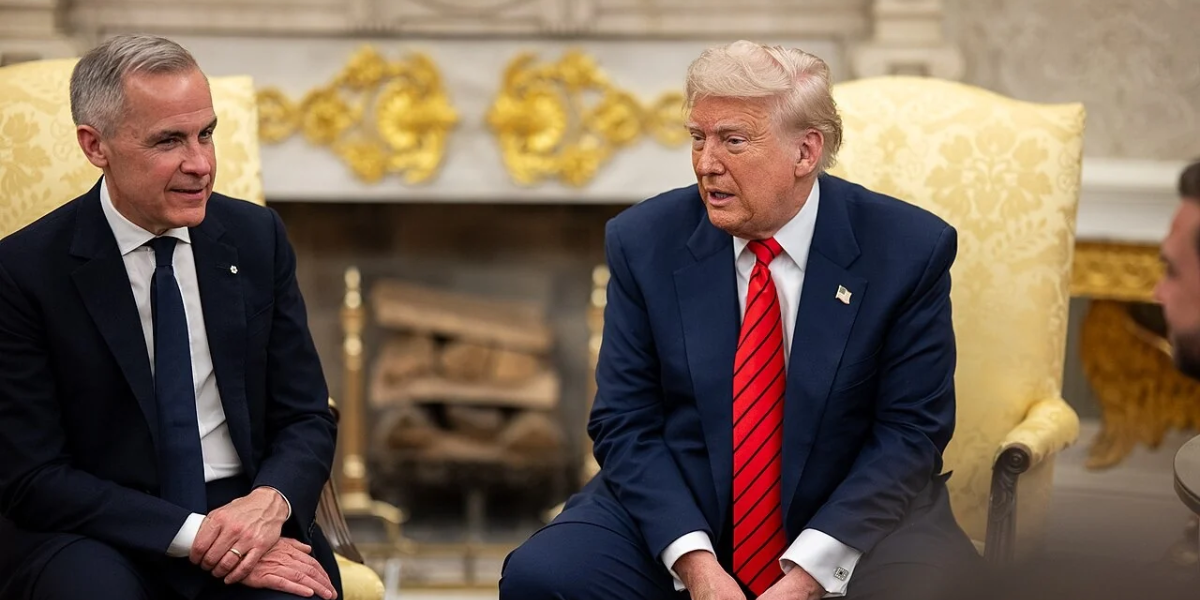
Global Trade Partners Reassess U.S. Policy as Democrats Prepare to Challenge Tariffs
The sweeping change in congressional control is also prompting governments and businesses overseas to reassess the outlook for American trade policy. Canadian Prime Minister Mark Carney welcomed plans by incoming Democratic lawmakers to challenge tariffs imposed by the Trump administration, arguing that restoring freer trade would benefit workers and reduce costs for consumers on both sides of the border. Ottawa remains engaged in negotiations with Washington over trade restrictions, but the election has introduced new uncertainty about whether Canada should pursue an agreement with the current administration or wait for the incoming Congress to consider legislative alternatives.
The dilemma extends beyond North America. Manufacturers in China, agricultural producers in Australia and business organizations in Europe are evaluating whether Democratic control of Congress could limit additional tariffs or create opportunities to revise existing trade arrangements. However, the election does not automatically eliminate tariffs imposed under presidential authority, and the administration retains substantial powers over trade enforcement and negotiations. Some international business leaders have expressed cautious optimism that congressional oversight could provide greater predictability, while others expect American trade policy to remain restrictive regardless of which party controls Congress.
The broader significance lies in the relationship between U.S. domestic politics and global economic confidence. Tariffs affect manufacturing costs, agricultural exports, consumer prices and supply-chain decisions, making American trade policy an important consideration for companies operating across multiple markets. The Iran conflict adds another layer of uncertainty by increasing energy costs and complicating international transportation. Democratic lawmakers have indicated that trade legislation will be among their early priorities, but any effort to reverse existing measures could face legal, procedural and presidential obstacles. For U.S. trading partners, the immediate challenge is determining whether the incoming Congress can meaningfully alter the administration's policies or whether businesses must continue operating under the current framework.
Looking Ahead
Attention in Washington will turn to the implementation of Trump's White House leadership changes on Monday, November 9, and the developing legislative agenda of the incoming Democratic Congress. Healthcare subsidies, Medicaid funding, immigration enforcement, tariffs and congressional war powers are emerging as major areas of potential confrontation. Unresolved election contests and Republican leadership discussions could also influence the political environment as lawmakers prepare for the January 3 transition.
Economic developments will remain equally important. Investors will monitor inflation indicators, Federal Reserve signals and the performance of technology stocks following the week's volatility, while policymakers assess the relationship between employment growth and household purchasing power. Internationally, Qatar's efforts to facilitate negotiations between Washington and Tehran could prove consequential for regional security and energy markets. The coming days will help determine whether the latest diplomatic proposals advance toward substantive negotiations or remain stalled over the conditions for a ceasefire.