
U.S. Economy Accelerates as Inflation Rises, Midterm Election Battles Intensify and Global Crises Test Governments
The U.S. economy expanded at a stronger-than-expected pace in the third quarter, but renewed inflation pressures complicated the Federal Reserve's interest-rate outlook just days before the November midterm elections. President Donald Trump and former President Barack Obama intensified campaigning in closely watched states, while an election controversy in Alaska prompted calls for an investigation. Meanwhile, a proposed $17 billion acquisition could reshape America's grocery delivery industry, Israel faced political uncertainty following its parliamentary election, and Spain began mourning the victims of another deadly high-speed rail disaster.

U.S. Economic Growth Reaches 3.4% as Inflation Accelerates and Federal Reserve Holds Rates Steady
The U.S. economy expanded at an annualized rate of 3.4% during the third quarter of 2026, accelerating from 2.2% in the preceding three months, according to figures released Thursday by the Commerce Department. The stronger performance reflected resilient consumer spending and substantial business investment, particularly in artificial intelligence infrastructure. Consumer spending increased at a 3.8% annualized pace, underscoring the continued importance of household demand to economic growth despite persistent concerns about affordability.
The encouraging growth figures arrived alongside evidence that inflation remains a significant challenge. The Commerce Department reported that its Personal Consumption Expenditures Price Index, a closely watched inflation measure, rose 0.5% in September, compared with 0.3% in August. Higher gasoline prices and increases in other consumer goods contributed to the acceleration. The combination of strong economic activity and renewed price pressures reinforced expectations that the Federal Reserve could face difficult decisions about monetary policy in the final months of the year.
At its latest meeting Wednesday, the Federal Reserve held its benchmark interest rate at approximately 3.9%, declining to tighten monetary policy despite inflation remaining above its 2% target. Fed Chair Kevin Warsh offered limited guidance about the central bank's next move and rejected suggestions that the approaching elections influenced the decision. Policymakers must balance the risk that higher borrowing costs could weaken economic activity against the possibility that leaving rates unchanged could allow inflation to remain elevated.
Separate Labor Department figures released Thursday showed that initial applications for unemployment benefits declined by 1,000 to a seasonally adjusted 194,000 for the week ending October 24. That figure was below economists' expectations of 199,000 and remained near historically low levels, suggesting that layoffs have not increased substantially.
Together, the reports depict an economy that continues to expand while facing stubborn price pressures. The immediate focus for investors, businesses and households will be whether inflation moderates sufficiently to allow the Federal Reserve to maintain its current policy or whether additional tightening becomes necessary before year-end.
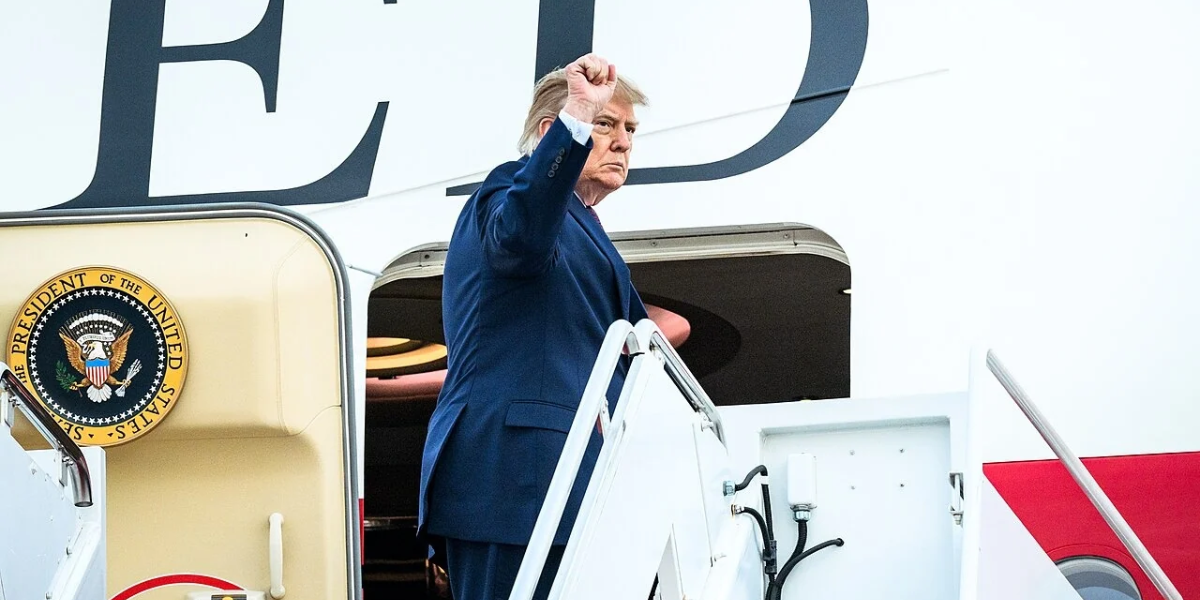
Trump and Obama Intensify Midterm Campaigning as Alaska Senate Controversy Triggers Investigation
With the November 3 midterm elections approaching, President Donald Trump and former President Barack Obama stepped up their efforts to influence competitive congressional races. Trump campaigned in Ohio, making his third visit to the state within a month, while Obama appeared in Georgia to rally Democratic voters. The appearances reflected the importance both parties place on turnout and voter enthusiasm as control of Congress hangs in the balance.
Economic concerns remain central to the campaign. Republicans have emphasized economic growth and administration priorities, while Democrats have focused on household costs and the affordability of everyday necessities. The latest inflation figures add urgency to those competing arguments, particularly in closely contested districts where small shifts in turnout could determine the outcome.
Meanwhile, an unusual controversy in Alaska's U.S. Senate race escalated after reporting indicated that Democratic candidate Mary Peltola's campaign had been involved in efforts to recruit a candidate whose name closely resembled that of Republican incumbent Sen. Dan Sullivan. The additional candidate, Daniel J. Sullivan, shares the incumbent's surname and first name, raising questions about whether his candidacy was intended to confuse voters or divide support.
The New York Times reported that text messages and interviews connected Democratic operatives and Peltola's campaign to the recruitment effort. President Trump called for Peltola's prosecution, while Alaska's Republican governor ordered an investigation into the circumstances surrounding the candidacy. Peltola characterized the controversy as a distraction. The allegations remain distinct from any determination that election laws were violated.
The dispute comes as election officials across the country prepare for heightened scrutiny of voting procedures. In California, a federal judge rejected a Justice Department request to temporarily prevent the counting of mail ballots from more than 20,000 registered voters whom federal officials alleged were likely noncitizens. The judge warned that the requested intervention could disrupt election administration, and the administration was expected to appeal.
The developments illustrate how election integrity disputes, legal challenges and campaign messaging are converging in the final days before voting. The immediate questions concern whether additional legal action will alter election procedures and whether late-breaking controversies will affect competitive races.
DoorDash Proposes $17 Billion Instacart Acquisition in Major Grocery Delivery Consolidation
DoorDash announced a proposed $17 billion acquisition of Instacart on Thursday, setting the stage for a potentially significant consolidation of the U.S. grocery delivery industry. The transaction would combine two major technology platforms whose businesses increasingly overlap as consumers rely on mobile applications for restaurant meals, groceries and household essentials.
DoorDash built its business around restaurant delivery before expanding into convenience stores, supermarkets and other retail categories. Instacart, founded in 2012, established itself as a major intermediary between grocery retailers, shoppers and consumers, developing a business that includes delivery services, advertising and technology partnerships with supermarket chains.
A combination would give DoorDash a substantially larger presence in grocery commerce and potentially allow the companies to coordinate logistics, customer acquisition, advertising and retail partnerships. It could also intensify competition with other large delivery and e-commerce businesses seeking a greater share of consumer spending.
The proposed acquisition raises questions about competition in an industry where scale plays an important role in determining delivery costs, service availability and negotiating power with merchants. Grocery chains depend on delivery platforms to reach customers, while consumers face a combination of product prices, service charges, delivery fees and optional tips.
Regulators could examine whether combining the companies would reduce competition in particular markets or create disadvantages for competing platforms and retailers. The extent of any review will depend on the transaction's final structure and applicable competition laws.
For investors, the announcement highlights continued consolidation among technology businesses seeking growth beyond their original markets. For retailers and consumers, the longer-term significance will depend on whether the combination improves delivery efficiency, changes pricing or alters the choices available to grocery shoppers.
The next steps include further disclosure of the proposed transaction's terms, regulatory review requirements and the companies' plans for integrating their operations.
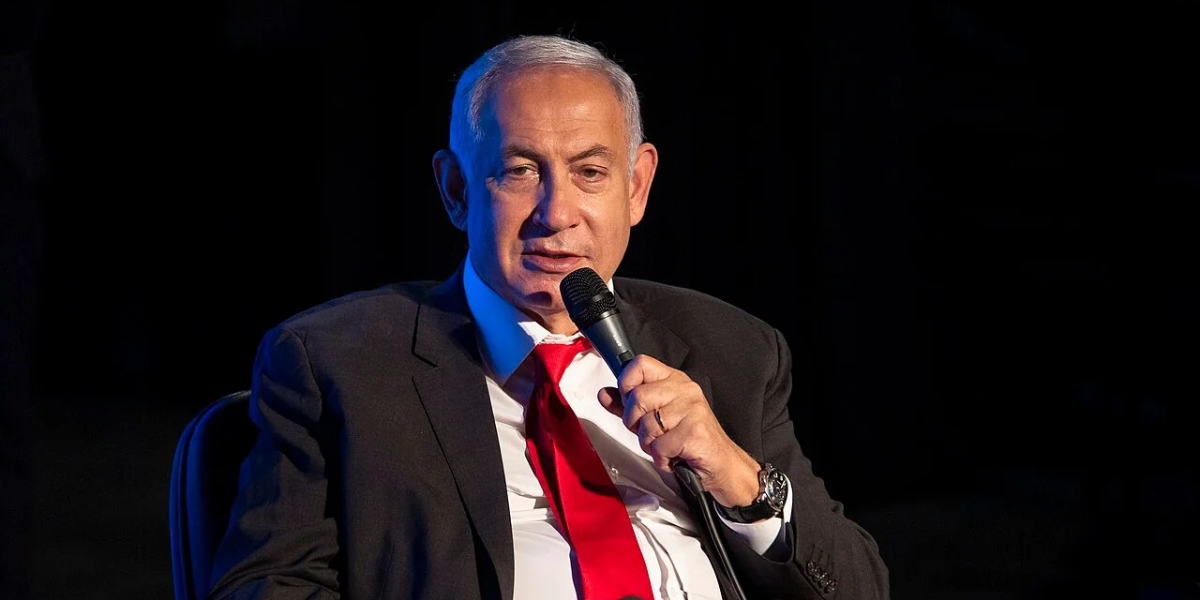
Israel Faces Uncertain Government Formation as Election Results Challenge Netanyahu's Coalition
Israel entered a period of political uncertainty Thursday as final parliamentary election results were expected to confirm that Prime Minister Benjamin Netanyahu's political bloc had lost its majority in the Knesset. The outcome could create an opening for opposition parties to form a government, although assembling a workable coalition remains complicated by longstanding ideological divisions.
Arab-led parties performed strongly in the election, potentially giving them an important role in determining the next government. Opposition leaders face a consequential decision over whether to seek their support in a coalition arrangement that could command a parliamentary majority. Such an agreement would require negotiations among parties with differing positions on security, governance and relations between Jewish and Arab citizens.
Netanyahu and his Likud party have challenged aspects of the election outcome, amplifying allegations that the result was improperly influenced. Opposition figures have accused Netanyahu of targeting Arab voters and undermining confidence in the electoral process. Those competing claims remain politically contested.
Israel's elections committee also requested an investigation by the Shin Bet domestic intelligence service into allegations of interference by unspecified foreign entities. The request does not establish that interference occurred or affected the election result.
The political uncertainty comes at a sensitive time for regional security. Israel's next government will inherit difficult decisions involving military operations, relations with neighboring countries and diplomatic engagement with Washington.
For the United States, Israel's coalition negotiations are particularly significant because of the countries' extensive security and diplomatic relationship. A change in government could affect the direction of bilateral discussions, although the practical consequences will depend on the composition and priorities of any new coalition.
Attention now turns to the final certified election results and whether opposition parties can negotiate a majority. If no viable coalition emerges, Israel could face prolonged negotiations and further political instability.

Spain Mourns 69 Victims of High-Speed Train Collision as Rail Safety Questions Mount
Spain began three days of national mourning Thursday after a collision involving two high-speed trains in the central province of Toledo killed at least 69 people, according to the latest reporting from the scene. Rescue teams continued searching the wreckage near Urda, using specialized equipment and sniffer dogs to locate victims.
The collision occurred Wednesday when a train operated by Spain's national rail company RENFE struck a stationary train operated by IRYO. Authorities recovered another body overnight, increasing the reported death toll from 68 to 69. Investigators continued examining the circumstances surrounding the crash and the sequence of events that placed the two trains in danger.
Spain's transport minister attributed the collision to human error, but railway unions challenged that assessment. The competing accounts underscore the need for a detailed investigation into operational decisions, signaling systems, safety procedures and other possible contributing factors before a definitive cause can be established.
The tragedy is Spain's second deadly rail accident of 2026, intensifying scrutiny of the country's extensive high-speed railway network. Spain has invested heavily in high-speed rail infrastructure, making it a central component of domestic transportation and an important alternative to air travel between major cities.
The disaster also carries political consequences. It occurred just weeks before a national election, increasing pressure on Prime Minister Pedro Sánchez's government to explain the circumstances of the collision and demonstrate that passenger safety remains adequately protected.
For affected families, the immediate priorities remain victim identification, medical care for survivors and answers about how the collision occurred. For transportation authorities, the investigation could lead to operational changes or additional safety measures depending on its findings.
The next phase will focus on recovering evidence, reviewing train-control records and determining whether the collision resulted from individual mistakes, systemic failures or a combination of factors.
Looking Ahead
The final days before the November 3 U.S. midterm elections will bring intensified campaigning, additional scrutiny of voting procedures and continued debate over inflation and household affordability. Investors will also assess the latest economic figures for clues about the Federal Reserve's December policy decision, while regulators and businesses examine the implications of DoorDash's proposed acquisition of Instacart.
Internationally, Israel's coalition negotiations will determine whether opposition parties can assemble a new government, while Spain's rail investigation will seek to establish the causes of Wednesday's deadly collision. Together, these developments will shape the political, economic and security agenda heading into November.