
Inflation Pressures Rattle Markets as Congress Confronts Pentagon Leadership, AI Security Concerns Grow and World Leaders Gather for Climate Talks
A stronger-than-expected U.S. inflation report has renewed concerns about interest rate increases, sending bond yields higher and putting pressure on financial markets as the Federal Reserve weighs its next move. In Washington, House Republicans blocked an effort to impeach Defense Secretary Pete Hegseth, while the party began reorganizing after its losses in the midterm elections. Meanwhile, a national security investigation involving Nvidia's chief executive has raised questions about the protection of advanced American technology, a U.S. soldier has been arrested in Britain on suspicion of espionage linked to Russia, and world leaders have opened a major United Nations climate summit in Turkey amid growing concerns about international cooperation.

U.S. Inflation Exceeds Forecasts, Raising Expectations for Federal Reserve Rate Increases
The latest U.S. inflation figures have complicated the economic outlook, strengthening expectations that the Federal Reserve will need to maintain restrictive monetary policy to contain persistent price pressures. October's core inflation reading, which excludes volatile food and energy costs, increased 0.3% from the previous month, exceeding economists' forecast of 0.2%. The report reinforced concerns that inflation remains difficult to control despite earlier efforts to stabilize prices and economic activity.
Federal Reserve officials have signaled increasing concern about the pace of price increases. Governor Christopher Waller indicated that a monthly core inflation reading of 0.3% could justify considering a half-percentage-point interest rate increase at the central bank's December meeting. Dallas Fed President Lorie Logan also supported additional tightening, while other policymakers expressed differing views about how quickly borrowing costs should rise. Financial markets responded by increasing expectations for a quarter-point December rate increase, with futures pricing also reflecting a smaller possibility of a larger move.
The shift in expectations triggered substantial movements across global financial markets. Two-year U.S. Treasury yields climbed approximately 18 basis points following the inflation report, reflecting the prospect of higher short-term interest rates. The dollar strengthened, while gold prices came under pressure. U.S. stocks declined after the inflation figures, although technology shares subsequently received support from stronger-than-expected results at artificial intelligence infrastructure company CoreWeave.
The implications extend beyond financial markets. Higher interest rates can increase borrowing costs for households, businesses and governments, affecting mortgages, credit cards, corporate investment and federal debt servicing. Persistent inflation also remains a significant political issue following the November 3 midterm elections, when concerns about household expenses helped shape voting patterns.
The Federal Reserve's December policy meeting will now receive increased scrutiny as officials assess whether inflation is accelerating and how additional tightening could affect employment and economic growth.
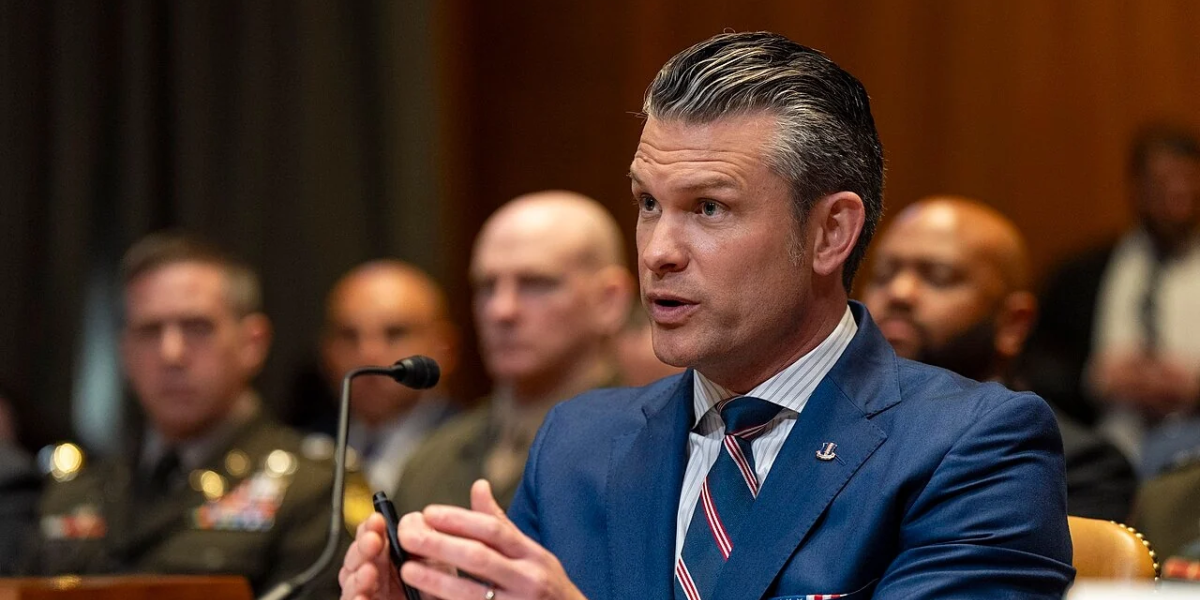
House Republicans Block Hegseth Impeachment Effort as Party Prepares for New Congressional Balance
The House of Representatives rejected an effort to advance impeachment proceedings against Defense Secretary Pete Hegseth, underscoring continued Republican support for the Pentagon chief despite growing scrutiny of U.S. military operations overseas.
In a vote Tuesday, November 10, lawmakers voted 211-204 to refer the impeachment resolution to committee, effectively preventing it from moving forward. Republican Representative Thomas Massie of Kentucky introduced the resolution, which contained eight articles alleging misconduct involving the administration's military operations and Hegseth's management of the Defense Department. Massie was the only Republican to oppose the procedural motion, while Democrats voted against sending the resolution to committee.
The allegations included the conduct of the U.S. war against Iran, military strikes targeting suspected drug-trafficking vessels in the Caribbean, operations involving Venezuela and Yemen, and actions involving Democratic Senator Mark Kelly. These remain allegations rather than established findings of wrongdoing.
Hegseth rejected the accusations, defending the administration's military decisions and criticizing the impeachment initiative. President Donald Trump publicly reaffirmed his support for the defense secretary, helping consolidate Republican opposition to the measure.
The confrontation comes as Republicans prepare for a major change in their congressional position following Democratic victories in the November 3 midterm elections. Democrats secured control of Congress, changing the balance of power for the second half of Trump's presidential term. Representative Jim Jordan of Ohio has been selected to lead House Republicans in the minority, positioning him to manage the party's legislative strategy and its response to anticipated congressional investigations.
The Iran conflict has emerged as a particularly significant issue in the post-election political environment. Rising energy prices associated with the war have added pressure on American households, while questions about congressional authorization and oversight of military operations remain unresolved.
Although the impeachment effort has been blocked for now, the incoming Congress could pursue additional hearings, document requests and investigations into Pentagon decision-making. The episode highlights the potential for more confrontations between the executive branch and lawmakers over military authority, national security and government accountability.
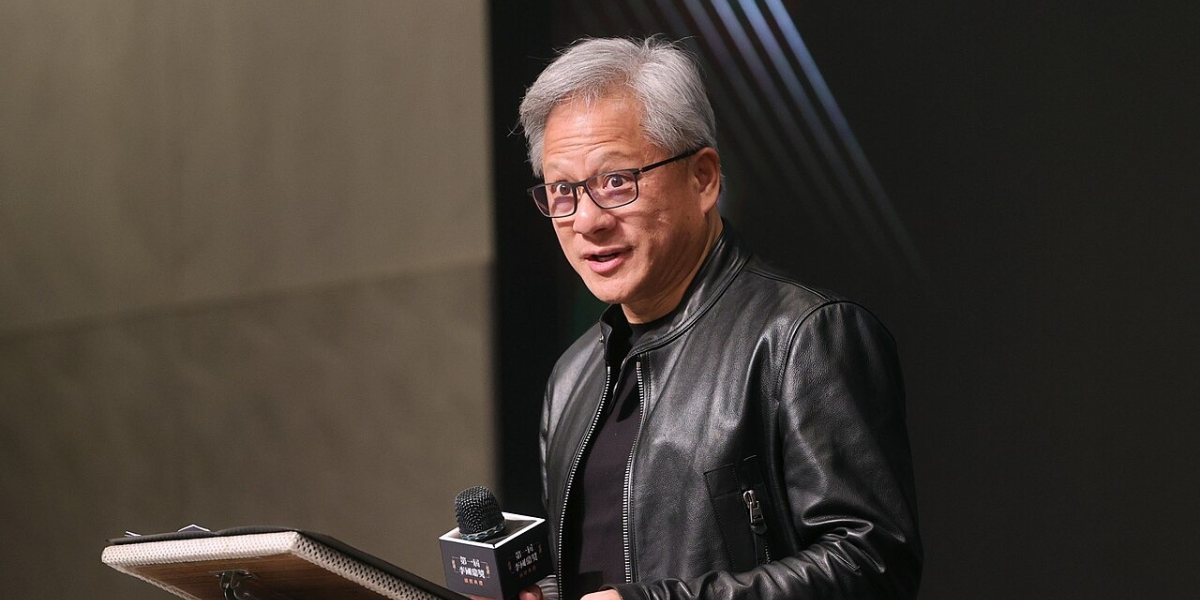
Nvidia Faces National Security Scrutiny as AI Investment Continues to Reshape Global Markets
Nvidia, one of the world's most influential artificial intelligence chipmakers, is facing renewed national security scrutiny following reports concerning chief executive Jensen Huang and his relationship with a Chinese businesswoman suspected of intelligence connections.
According to Associated Press reporting, the controversy centers on allegations involving Alice Huang, whose relationship with the Nvidia executive has prompted questions about whether sensitive commercial or technological information could have been exposed. U.S. authorities are examining whether a company associated with Alice Huang, identified as Megaspeed, illegally facilitated the transfer of advanced semiconductor technology to China.
The allegations have not established that Nvidia's proprietary information was compromised or that Jensen Huang knowingly participated in unlawful activity. Nvidia's board has said it has no reason to believe company secrets were exposed, while Chinese authorities have denied allegations that Alice Huang was acting as a spy. President Trump has also downplayed the controversy.
The investigation arrives at a sensitive moment for U.S. technology policy. Nvidia's advanced processors are essential components in the infrastructure supporting increasingly sophisticated AI systems. Washington has sought to restrict China's access to certain high-performance semiconductors because of concerns about military applications, advanced computing capabilities and strategic technological competition.
The company's importance to global markets has magnified investor attention. Nvidia shares experienced significant selling pressure earlier in the week, with Reuters reporting that approximately $430 billion in market value was erased over two trading sessions before the stock began stabilizing.
At the same time, investment in artificial intelligence infrastructure continues to attract substantial capital. CoreWeave, a major provider of computing infrastructure used to develop and operate AI systems, reported sharply higher third-quarter revenue and projected profitability in the first half of 2028. Its results helped improve investor sentiment toward technology companies despite concerns about the cost of building data centers and the sustainability of AI-related spending.
Elsewhere in the sector, Anthropic is preparing for a potential public offering at a reported valuation of $1.4 trillion, which would represent a major test of investor appetite for privately developed artificial intelligence technology. Japanese technology investor SoftBank also reported a quarterly net loss of approximately $7 billion, reflecting the financial pressures associated with large-scale technology and data center investments.
Together, these developments illustrate the competing forces shaping the AI industry: rapid expansion, extraordinary capital requirements, rising investor expectations and increasing government scrutiny over technology security.
The next developments to watch include the progress of the U.S. investigation, potential regulatory responses involving semiconductor exports and whether major AI companies can translate accelerating demand into sustainable profits.

U.S. Soldier Arrested in Britain Over Suspected Espionage Linked to Russia
British counterterrorism authorities have arrested a U.S. Army soldier suspected of involvement in espionage connected to Russia, opening a sensitive investigation involving American military personnel and NATO security arrangements.
The 41-year-old soldier was arrested Tuesday near Gloucester, England, on suspicion of assisting a foreign intelligence service and obtaining or disclosing protected information. British authorities have not publicly established that classified information was successfully transferred or that the suspect committed the alleged offenses.
According to officials cited by the Associated Press, the soldier was assigned to a NATO unit responsible for responding rapidly to emerging crises and short-notice military operations. That assignment raises particular concerns because such units may handle operational planning, communications and information related to allied military readiness.
London's Metropolitan Police said its counterterrorism officers coordinated closely with the FBI and the U.S. military during the investigation. Authorities also indicated that the case was not connected to other counterterrorism investigations.
The arrest comes during a period of sustained tensions between Russia and Western governments, with NATO members continuing to assess intelligence threats, military security and the protection of sensitive defense information. Suspected espionage involving personnel assigned to multinational military organizations can create risks extending beyond a single country's armed forces.
Investigators will need to establish what information the suspect could access, whether any protected material was obtained or disclosed, and whether other individuals were involved. The legal proceedings could also determine whether the allegations result in criminal charges under British law.
For Washington and its European allies, the case highlights the importance of security procedures governing personnel who operate within shared military structures. Any confirmed compromise could prompt reviews of access permissions, communications systems and intelligence-sharing arrangements.
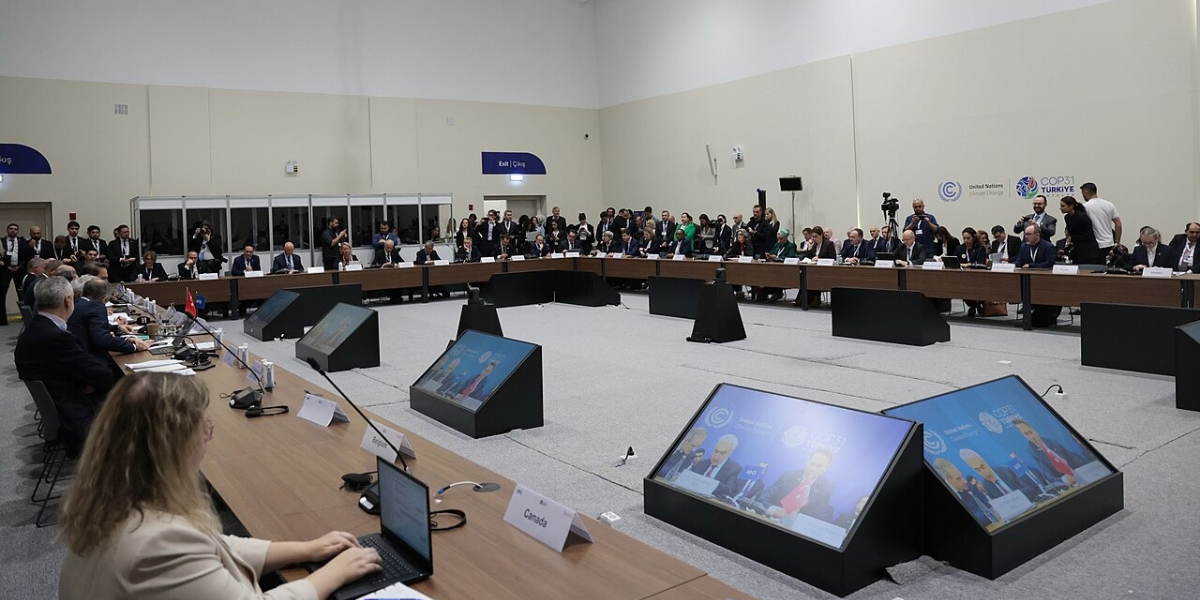
World Leaders Open COP31 Climate Summit as Wars and Energy Disruptions Complicate Negotiations
World leaders gathered Wednesday in Antalya, Turkey, for the high-level portion of the United Nations COP31 climate conference, seeking to strengthen international efforts to reduce greenhouse gas emissions and address increasingly severe climate-related disasters.
The conference comes amid warnings that existing national commitments remain insufficient to meet the temperature goals established under the 2015 Paris Agreement. Scientists expect global warming to exceed the agreement's 1.5-degree Celsius threshold above preindustrial temperatures, increasing concerns about extreme heat, flooding, water shortages and other environmental risks.
United Nations Secretary-General António Guterres urged governments to accelerate the transition away from fossil fuels, strengthen adaptation measures and provide greater financial assistance to countries facing disproportionate climate-related damage.
The summit is taking place against a difficult geopolitical backdrop. The U.S.-Israeli war involving Iran has disrupted Middle Eastern oil shipments and contributed to higher global fuel prices, complicating national energy strategies. Governments are balancing immediate concerns about affordable and reliable energy supplies against longer-term commitments to reduce dependence on fossil fuels.
Brazilian President Luiz Inácio Lula da Silva and Turkish President Recep Tayyip Erdoğan warned that military conflicts and international trade disputes should not displace climate cooperation from the global agenda.
Turkey, which is hosting the conference, is promoting a proposal to increase electricity's share of global energy consumption to 35% by 2035. Negotiators representing nearly 200 countries are also examining ways to advance commitments on emissions reductions, clean energy investment and financial support for vulnerable nations.
However, the absence of several major world leaders has raised questions about the political momentum behind the negotiations. The leaders of the United States, China and India are not attending the high-level summit, while several other major economies are represented by officials below the head-of-government level.
The United States, historically the largest cumulative emitter of greenhouse gases, has remained outside the conference's central diplomatic efforts following the Trump administration's withdrawal from international climate cooperation.
The talks also follow a series of destructive weather events in 2026, including severe European heat waves and catastrophic flooding in Nepal following a glacier collapse. Such disasters have reinforced concerns about the growing economic and humanitarian costs associated with a warming climate.
The immediate challenge for negotiators is converting broad political commitments into specific, measurable policies. Discussions will focus on implementation, financing and the pace of the global energy transition, with the eventual outcome depending on whether governments can reach agreements despite competing economic and security priorities.
Looking Ahead
The coming days will test how Washington and global markets respond to several overlapping economic and political pressures. Investors will continue assessing the implications of October's inflation figures for the Federal Reserve's December interest rate decision, while the incoming Democratic-controlled Congress prepares for a new phase of legislative negotiations and executive branch oversight. The Pentagon could face additional scrutiny over military operations involving Iran and other regions, and investigators are expected to continue examining the security allegations surrounding Nvidia and the American soldier arrested in Britain.
Internationally, attention will remain focused on the COP31 negotiations in Turkey, where governments must determine whether they can advance meaningful agreements on energy transition and climate financing. Developments in the Iran conflict will also remain important for global oil supplies, inflation and diplomatic stability. Together, these issues are likely to shape the economic, political and security agenda as the United States approaches the final weeks of 2026.