
U.S. Inflation Surges, Hegseth Faces Impeachment Push, and Ukraine Peace Talks Resume as Oil Prices Fall
The United States faced renewed economic and political uncertainty Tuesday as hotter-than-expected inflation raised concerns about another Federal Reserve interest rate increase, while a Republican lawmaker moved to impeach Defense Secretary Pete Hegseth over the war with Iran. Meanwhile, American-mediated peace negotiations between Russia and Ukraine resumed in Abu Dhabi, falling oil prices offered relief to financial markets, and the Supreme Court cleared the way for border wall construction to restart in West Texas. Together, the developments highlighted the continuing effects of international conflicts on American economic policy, national security and domestic politics following last week's midterm elections.
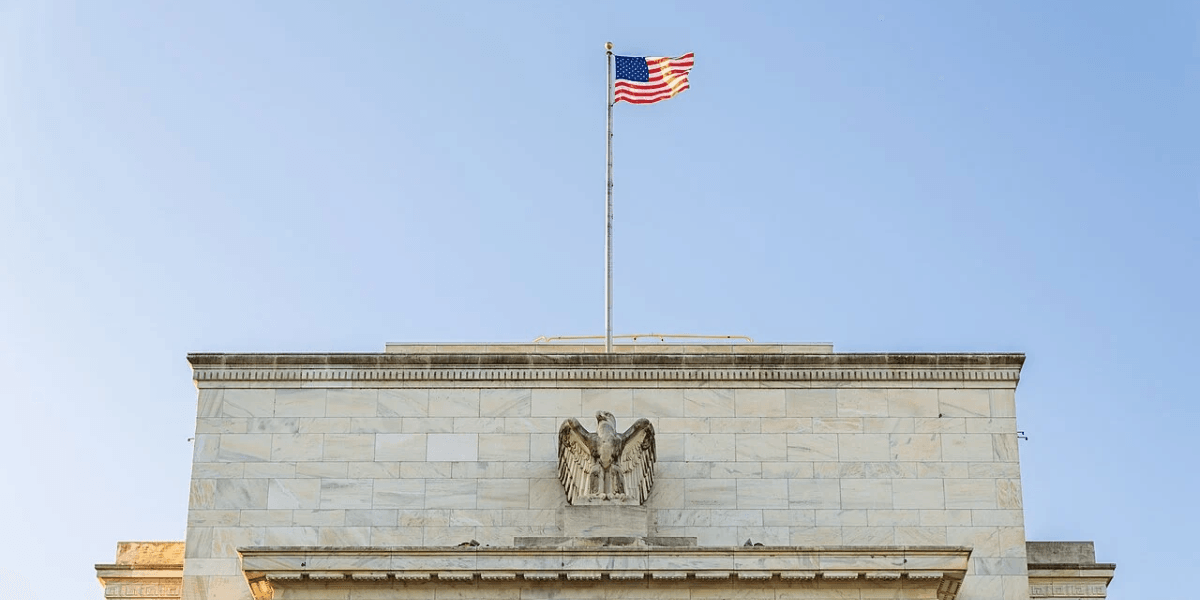
U.S. Inflation Exceeds Forecasts, Raising Pressure on Federal Reserve
U.S. consumer prices increased more than economists expected in October, reinforcing concerns that inflation remains a significant challenge for households and policymakers. The Labor Department reported Tuesday that the Consumer Price Index rose 0.4% from September, following a 0.6% increase the previous month. Economists surveyed by Reuters had anticipated a smaller 0.3% gain. Excluding volatile food and energy prices, core inflation increased 0.3%, also exceeding expectations. The report comes as the Federal Reserve weighs whether additional interest rate increases will be necessary to contain price pressures that remain above its 2% target.
The latest figures showed that inflation continues to affect a broad range of household expenses. Food prices rose 0.5% during October, including a 0.4% increase in grocery prices, while energy costs climbed 0.7%. Gasoline prices increased 1% during the month and were more than 37% higher than a year earlier, reflecting the substantial disruption to global energy supplies caused by the conflict involving Iran. Electricity prices rose 0.9%, and shelter costs increased 0.3%. Transportation services, medical expenses and several other categories also registered increases. The Bureau of Labor Statistics did not publish a year-over-year inflation figure because the federal government shutdown in October 2025 prevented the collection of the data needed for an annual comparison. The most recent available annual inflation reading was 3.7% in September.
The stronger inflation report unsettled financial markets, sending Treasury yields higher and stocks lower as investors reconsidered the outlook for monetary policy. Federal Reserve officials have indicated that another rate increase could be necessary at their December meeting, although the size of any adjustment remains uncertain. The economic implications extend beyond borrowing costs: higher interest rates could further affect mortgages, business investment and consumer spending at a time when affordability concerns have become a central issue in American politics. Those concerns played a significant role in the November 3 midterm elections, which delivered Democratic victories and shifted control of Congress. The next major test will be whether declining global oil prices begin easing inflation before the Federal Reserve makes its final policy decision of the year.
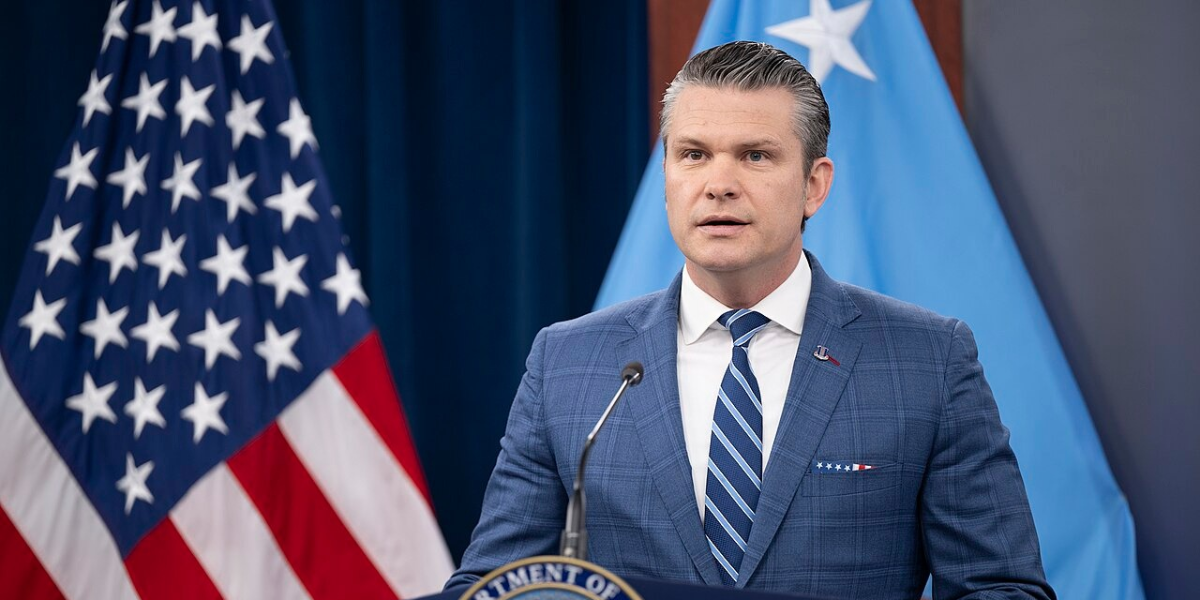
Republican Lawmaker Moves to Impeach Defense Secretary Pete Hegseth Over Iran War
Defense Secretary Pete Hegseth faced a new challenge on Capitol Hill after Representative Thomas Massie, a Republican from Kentucky, introduced eight articles of impeachment accusing the Pentagon chief of misconduct connected to the U.S. military campaign against Iran. The effort, announced Monday, centers on allegations that Hegseth participated in military operations without proper congressional authorization and violated constitutional and legal limits on executive power. The accusations also address the conduct of military strikes and the secretary's use of his authority. They remain allegations rather than established findings of wrongdoing.
Massie's procedural move could bring the impeachment resolution before the House as early as this week. Approval would require a simple majority of representatives, while removing Hegseth from office would require conviction by a two-thirds majority in the Senate. President Donald Trump defended the defense secretary and criticized Massie's effort, while Secretary of State Marco Rubio publicly expressed support for Hegseth. The administration has maintained that its military actions were justified, although the scope of presidential authority to conduct extended military operations without explicit congressional approval remains disputed. Hegseth was also scheduled to address reporters at the Pentagon on Tuesday in his first formal department briefing since May.
The confrontation comes at a politically sensitive moment following Democratic gains in the midterm elections and growing public concern over the economic and military consequences of the Iran conflict. Vice President JD Vance has acknowledged that the war contributed to Republican electoral difficulties, while the administration has signaled interest in avoiding another major escalation. A Reuters/Ipsos survey completed November 9 placed Trump's overall approval rating at 32%, with substantially lower ratings for his handling of the economy and cost of living. The impeachment effort could intensify congressional scrutiny of military decision-making and the administration's handling of the war. Whether the resolution advances will depend on House procedures, lawmakers' positions and the extent of support for further investigation.

U.S.-Brokered Russia-Ukraine Peace Talks Resume in Abu Dhabi After Nine-Month Gap
Russian and Ukrainian officials returned to direct negotiations Tuesday in Abu Dhabi, United Arab Emirates, for their first U.S.-mediated peace talks since February. The discussions represent a renewed diplomatic effort to end the war that began with Russia's full-scale invasion of Ukraine in February 2022. American representatives Jared Kushner and Steve Witkoff are participating in the negotiations, which are expected to address territorial disputes, security guarantees and the broader framework for stability in Europe. The talks follow renewed diplomatic contacts between Washington, Moscow and Kyiv, with President Trump suggesting that progress toward a negotiated settlement may be possible.
Despite the renewed engagement, substantial differences remain between the two countries. Russia continues to control approximately one-fifth of Ukrainian territory and has insisted on terms involving the eastern Donbas region that Ukrainian President Volodymyr Zelenskyy has rejected. Ukrainian officials maintain that territorial questions cannot be resolved without credible security guarantees and that any decisions involving sovereignty must protect the country's long-term independence. A U.S. official told Reuters that American negotiators believe a compromise over territory may be possible, but a senior Ukrainian official rejected suggestions that Kyiv was prepared to make such concessions. European governments have also emphasized that any settlement must address the continent's broader security arrangements. Representatives from European countries, NATO and the European Union have participated in related discussions, although Russia has resisted direct European involvement in its negotiations with Ukraine and the United States.
The diplomatic initiative is unfolding while fighting continues. Russian forces have maintained attacks on Ukrainian cities and energy infrastructure, while Ukrainian operations have targeted Russian military and energy facilities. Ukrainian officials reported additional strikes against electricity infrastructure ahead of the negotiations, highlighting the continuing risks to civilians as colder weather approaches. Russia's delegation has indicated that it wants the talks to address a wider European security framework, suggesting that negotiations may extend beyond an immediate ceasefire. The coming days will show whether the parties can agree on practical measures, including limits on attacks, monitoring arrangements or a framework for continued negotiations. No comprehensive peace agreement or ceasefire has been announced.

Oil Prices Retreat Sharply as Iran Diplomacy Fuels Wall Street Recovery
Global oil prices continued falling Tuesday as investors responded to indications that the United States may avoid renewed military escalation against Iran. Brent crude dropped approximately 6% on Monday and extended its decline into Tuesday, reaching its lowest level since August. Reuters reported that the international benchmark had fallen roughly 22% since the end of October, reflecting growing expectations that diplomatic efforts could reduce disruptions to Middle Eastern energy supplies. President Trump said Monday that Qatar and Saudi Arabia favored a peaceful resolution, while emphasizing that the United States remained prepared to conduct additional military strikes if necessary. The administration's statements suggested a preference for negotiations without ruling out further military action.
The decline in energy prices helped drive a strong recovery on Wall Street on Monday following substantial losses in technology shares the previous week. The S&P 500 advanced 2.3% to close at 7,549.94, while the Dow Jones Industrial Average gained 1,104 points, or 2.2%, to finish at 52,389.75. The Nasdaq Composite climbed 2.7%, and the Russell 2000 index of smaller companies rose 3.1%. It was the strongest overall trading session for U.S. stocks since April. The rally reflected expectations that lower energy costs could eventually ease inflation, improve corporate profit margins and reduce pressure on consumer spending. However, Tuesday's stronger-than-expected inflation figures complicated that outlook by reinforcing expectations that the Federal Reserve may need to maintain restrictive monetary policy.
Technology stocks also remained under scrutiny amid developments involving Nvidia, one of the world's most influential semiconductor companies. The company and Chief Executive Jensen Huang were named in a proposed shareholder class-action lawsuit alleging that investors were misled about Huang's relationship with a woman suspected of having ties to Chinese intelligence. The allegations have not been established in court. Trump said federal authorities were examining the matter, while publicly expressing support for Huang. The controversy has increased uncertainty around a company whose advanced chips play a central role in artificial intelligence infrastructure and U.S. technology investment. The combination of geopolitical risk, elevated inflation and uncertainty surrounding major technology companies has left financial markets particularly sensitive to developments in Washington and overseas.

Supreme Court Allows Texas Border Wall Construction to Resume Amid Immigration Dispute
The U.S. Supreme Court cleared the way Monday for the Trump administration to resume construction of border barriers in the Big Bend region of West Texas, temporarily suspending a lower court order that had halted the project over environmental and legal concerns. In an unsigned 8-1 decision, the justices allowed construction to proceed while the administration pursues further judicial review. Justice Ketanji Brown Jackson dissented. The ruling does not resolve the underlying legal dispute but permits work to continue while the courts consider whether the federal government exceeded its authority when it waived environmental protections to accelerate construction.
The case concerns planned barriers in an environmentally sensitive area that includes Big Bend National Park and surrounding communities along the U.S.-Mexico border. Environmental organizations, local residents and other plaintiffs have challenged the project, arguing that construction could permanently damage protected landscapes and ecosystems. A federal judge in El Paso previously found that the challengers were likely to succeed in arguing that the administration had exceeded its statutory authority. The administration countered that Congress had authorized broad waivers of environmental requirements for border security projects and argued that construction delays were imposing substantial costs. The Supreme Court's temporary order allows the government to proceed without deciding which side will ultimately prevail.
The decision carries broader implications for the administration's immigration enforcement agenda, which has remained a defining issue of Trump's second term. The Big Bend sector covers approximately 517 miles of the U.S.-Mexico border but accounts for a relatively small share of migrant apprehensions nationwide. The administration has nevertheless awarded contracts worth billions of dollars for barriers, roads and surveillance infrastructure in the region. Supporters of expanded border infrastructure argue that physical barriers and monitoring systems are necessary components of enforcement, while opponents question the environmental costs and effectiveness of construction in remote terrain. The legal dispute will continue as courts examine the limits of executive authority and the balance between border security objectives and federal environmental protections.
Looking Ahead
The Federal Reserve's response to the October inflation report will be a central focus for investors and households in the coming weeks, particularly as officials prepare for their December interest rate decision. Washington will also be watching whether the House moves forward with impeachment proceedings against Defense Secretary Pete Hegseth and whether the administration provides additional details about its military strategy toward Iran. Further declines in oil prices could offer economic relief, but the durability of that trend will depend on diplomatic developments and the security of Middle Eastern energy supplies.
Internationally, the next phase of U.S.-mediated negotiations in Abu Dhabi will test whether Russia and Ukraine can narrow their differences over territory, security guarantees and a potential ceasefire. At home, the Supreme Court's border wall ruling sets up continued litigation over federal authority and environmental protections. With the consequences of the midterm elections still unfolding, the coming days are likely to bring further decisions affecting economic policy, congressional oversight and American foreign relations.